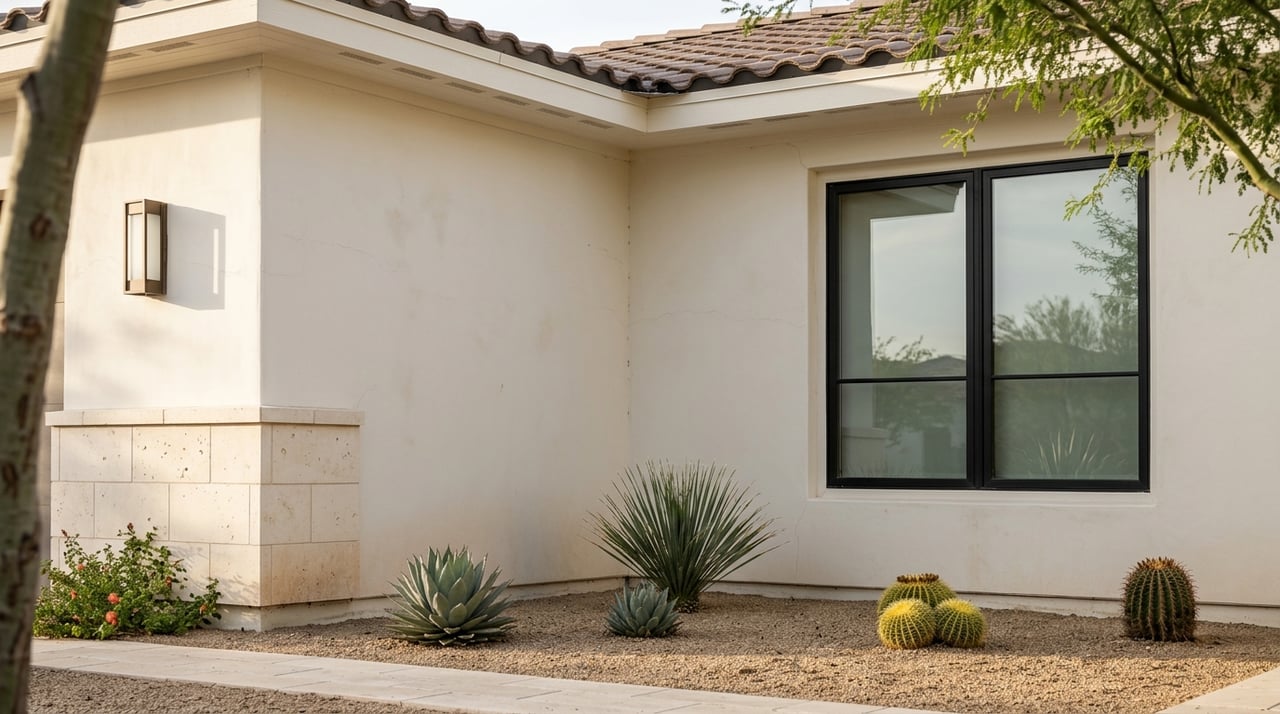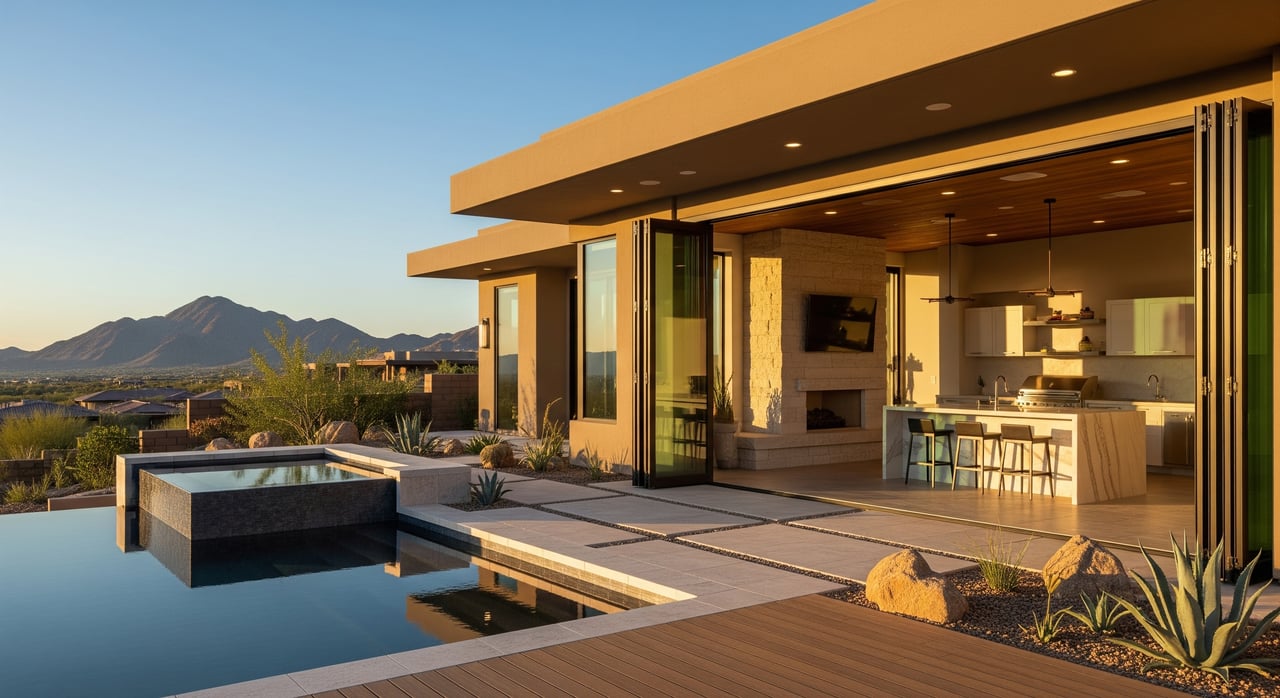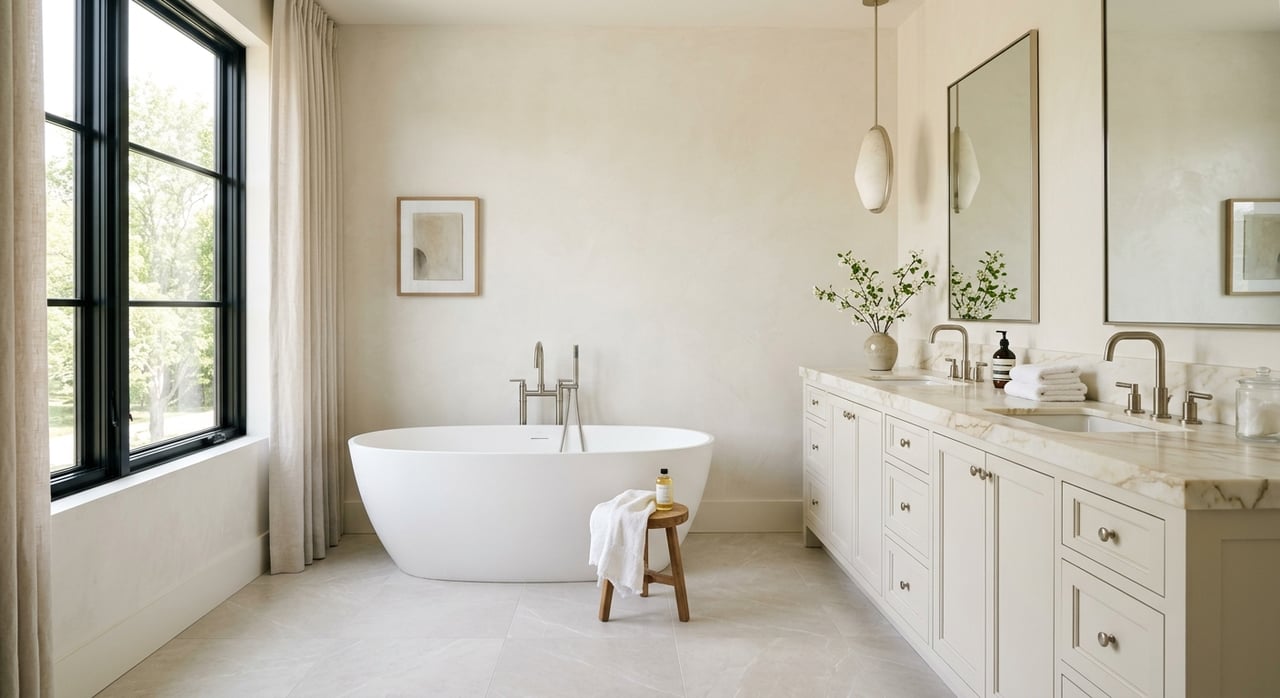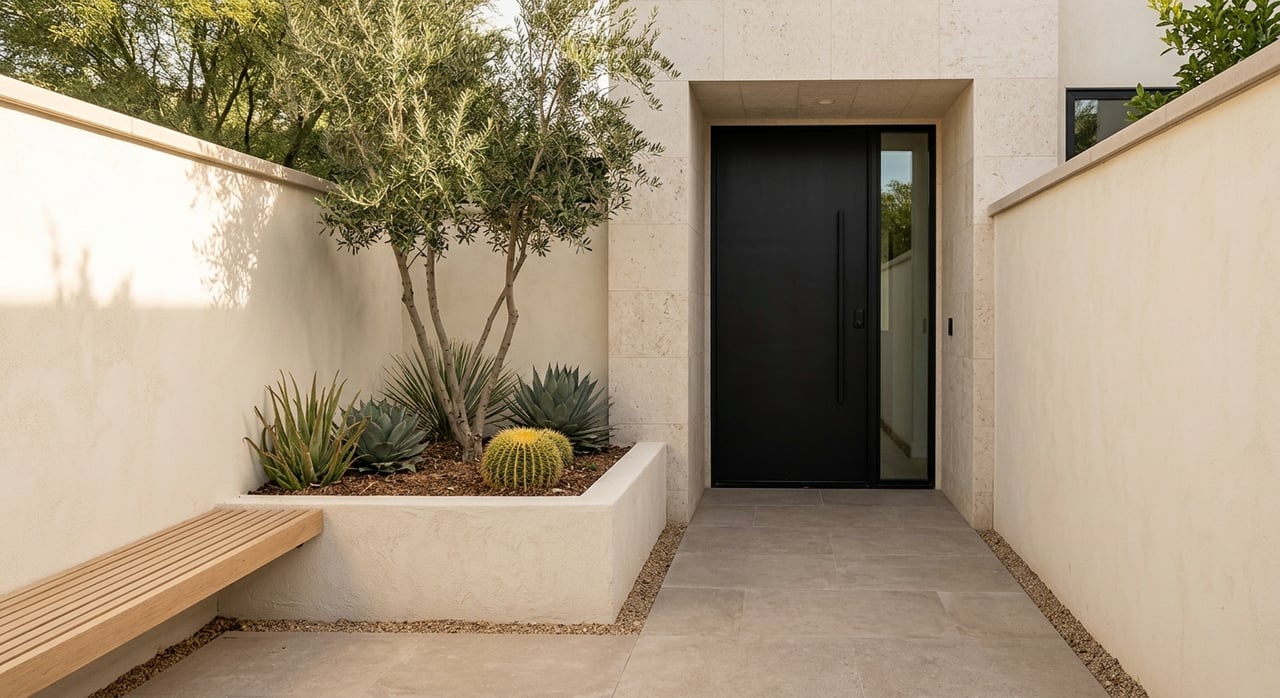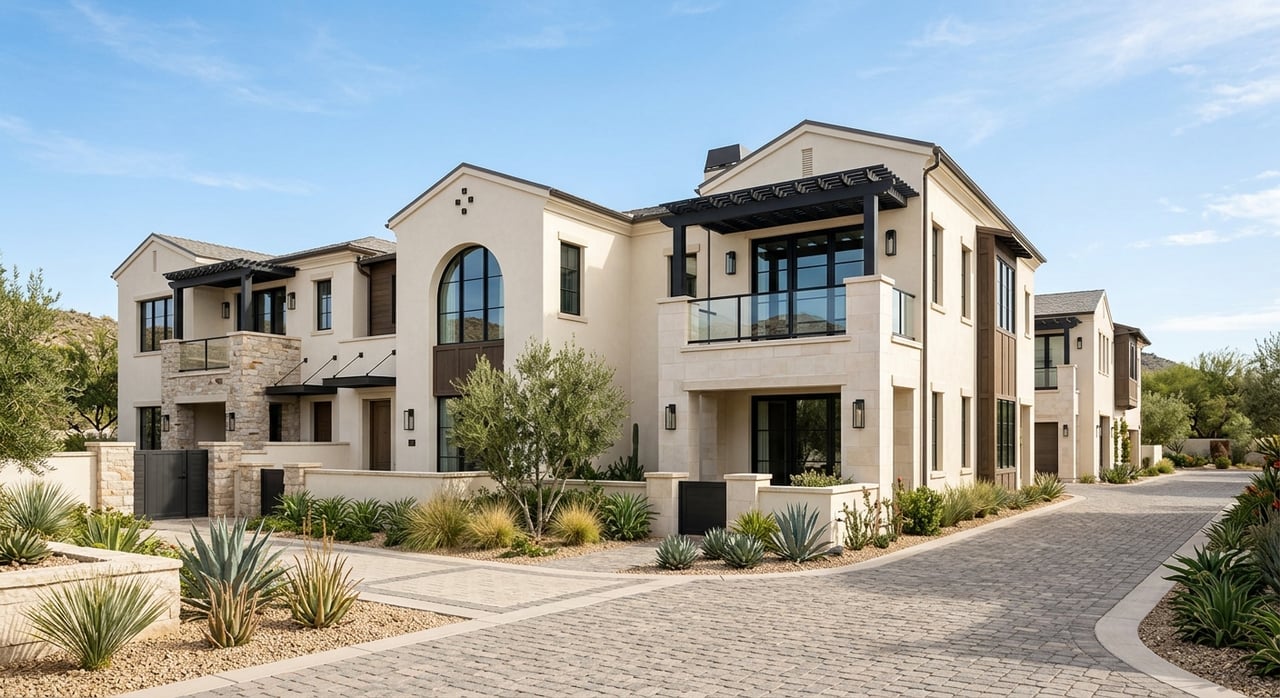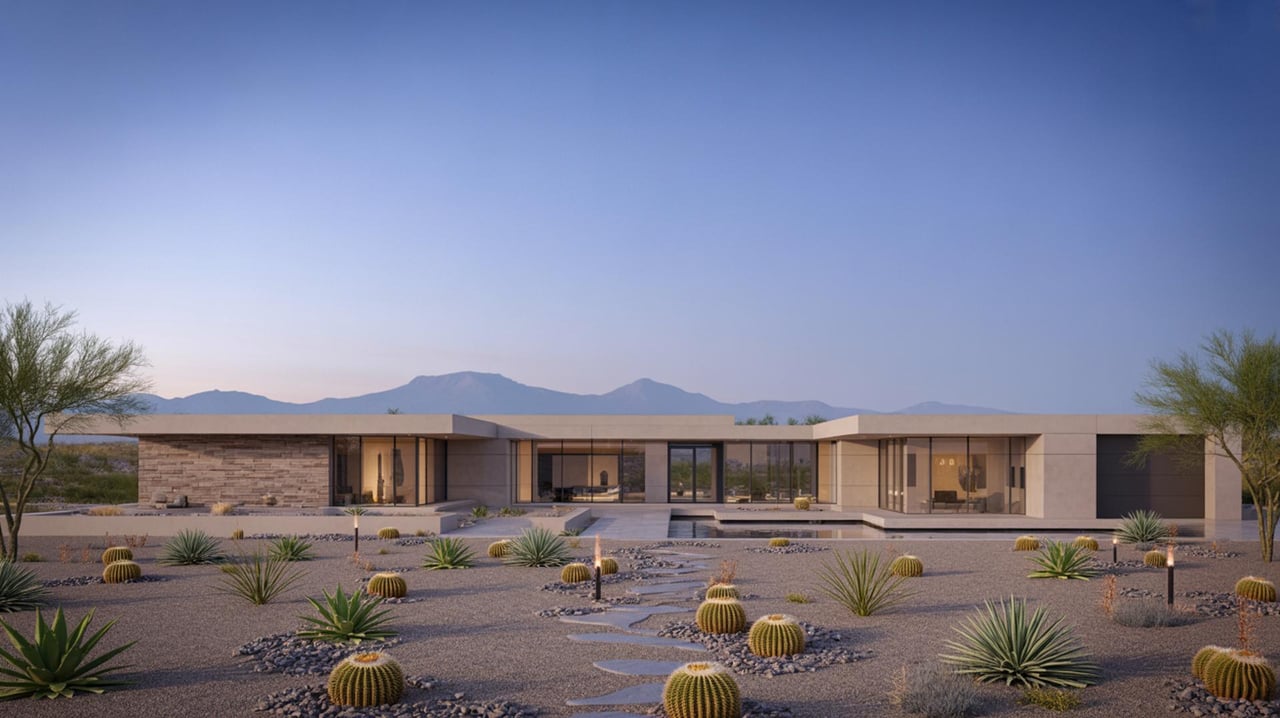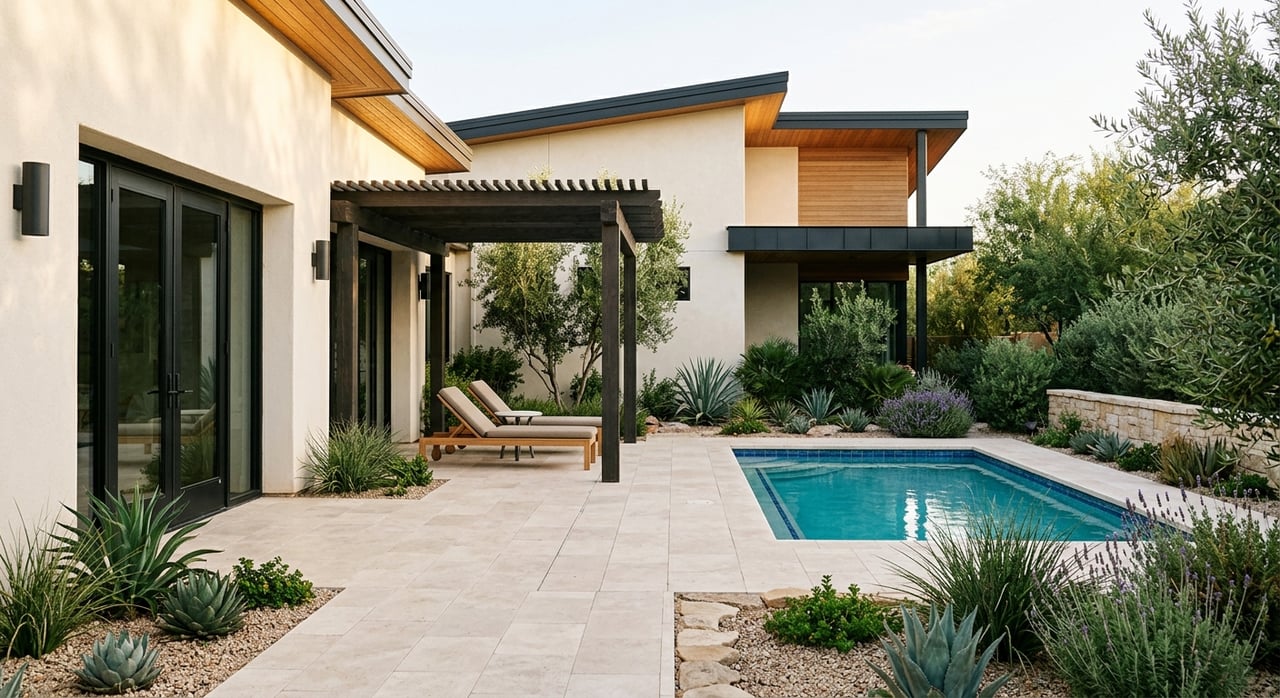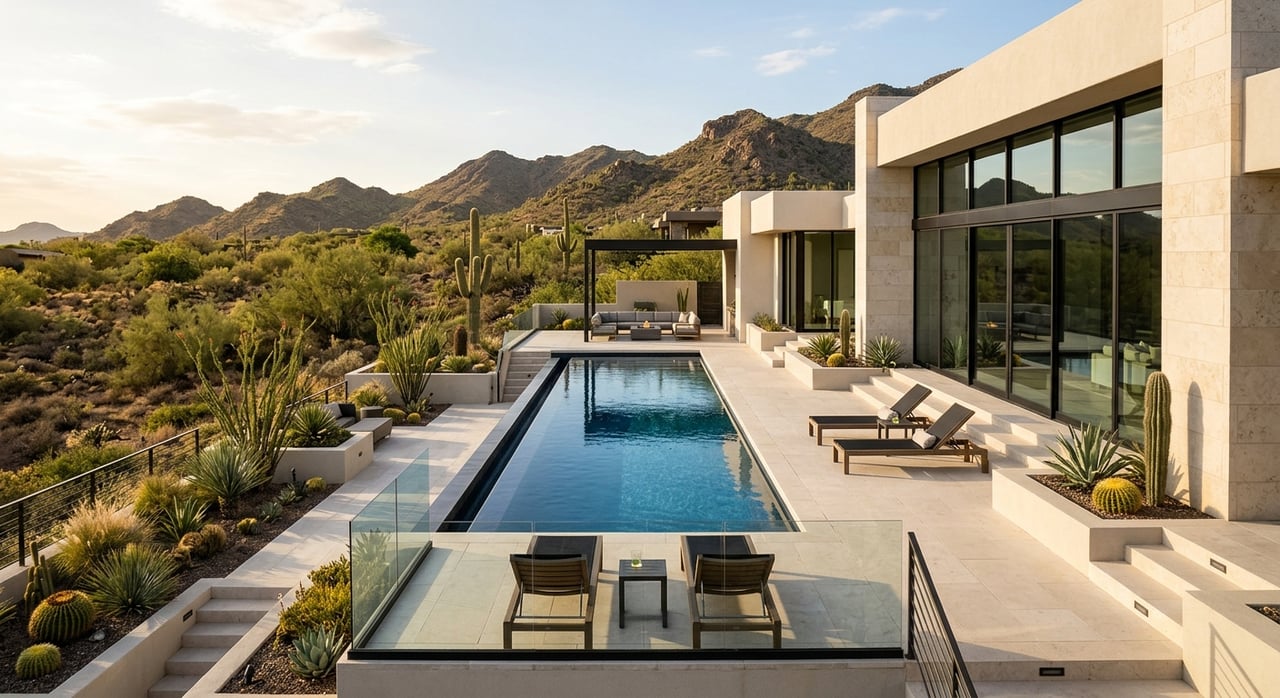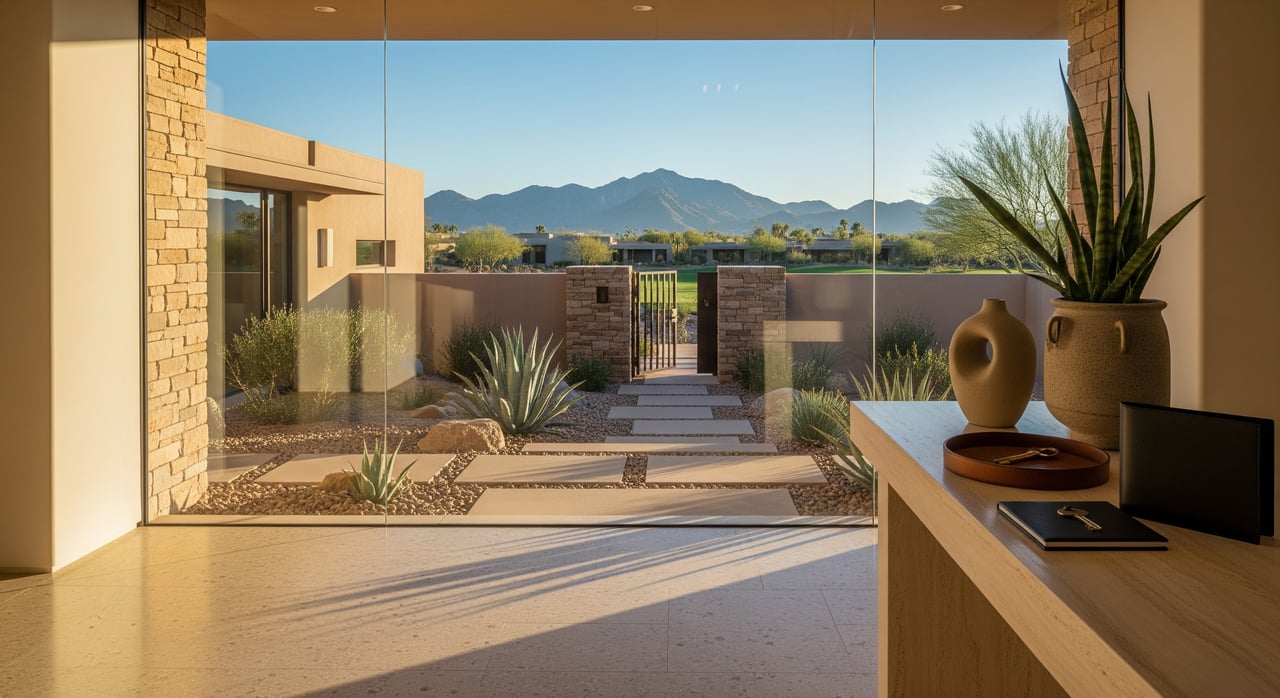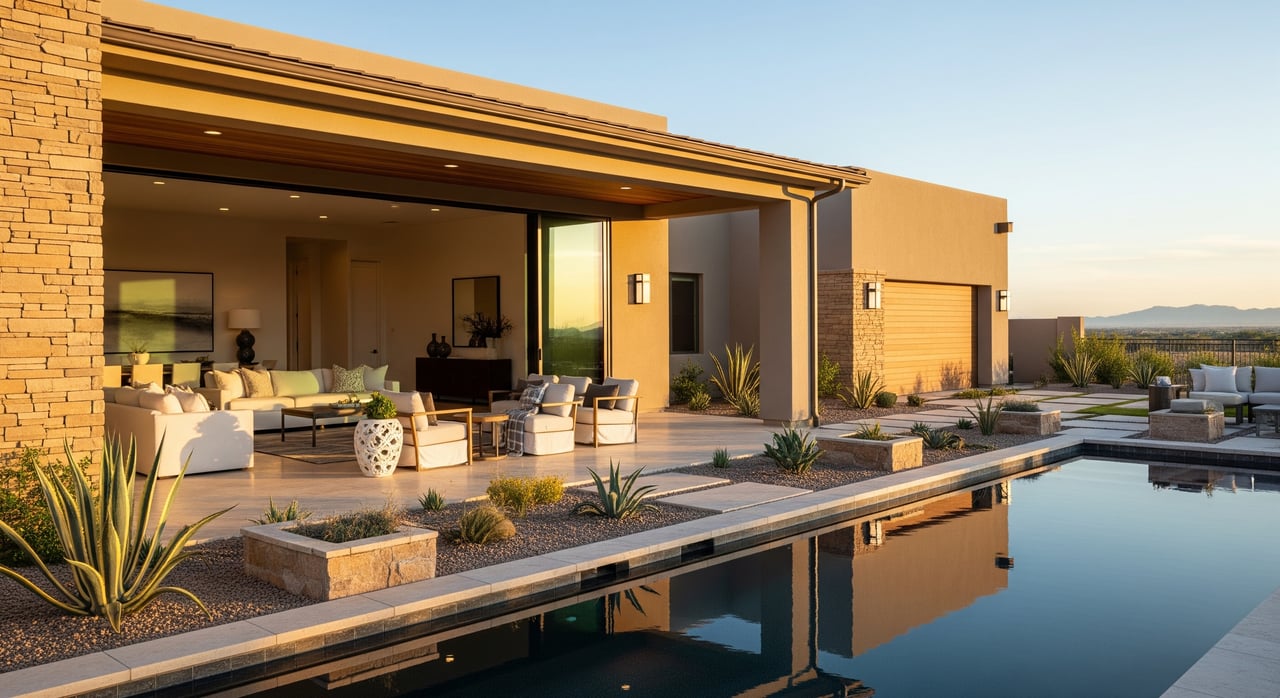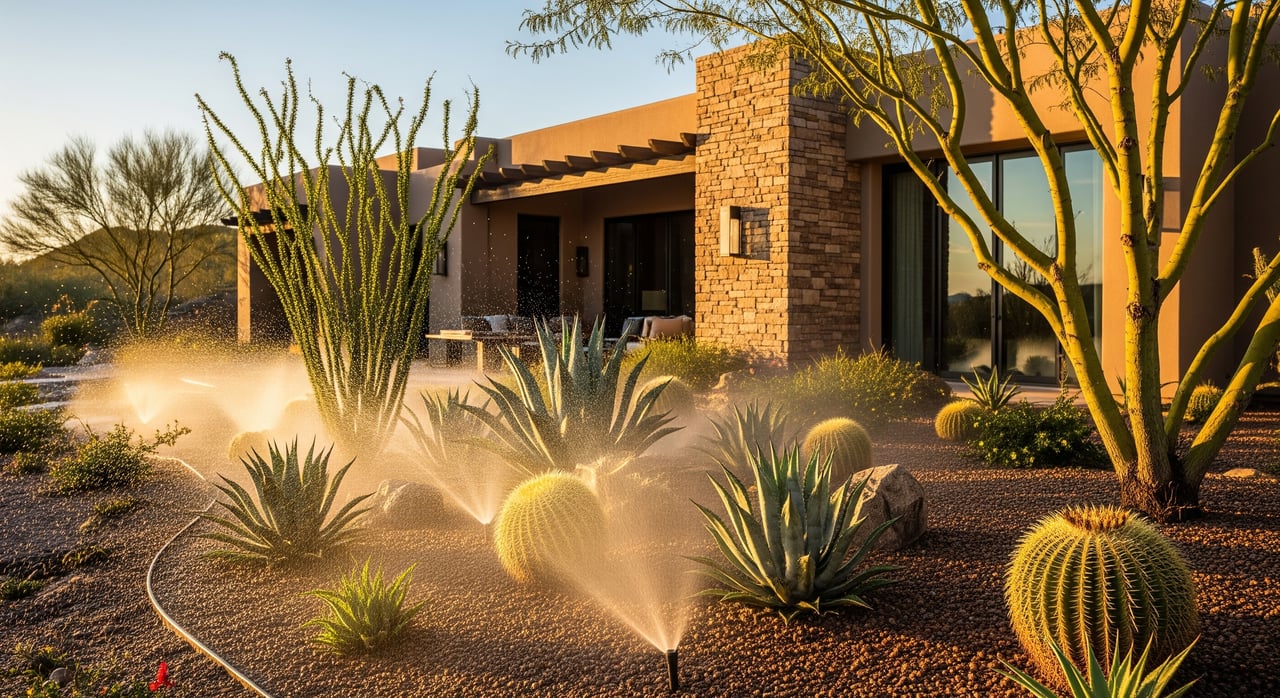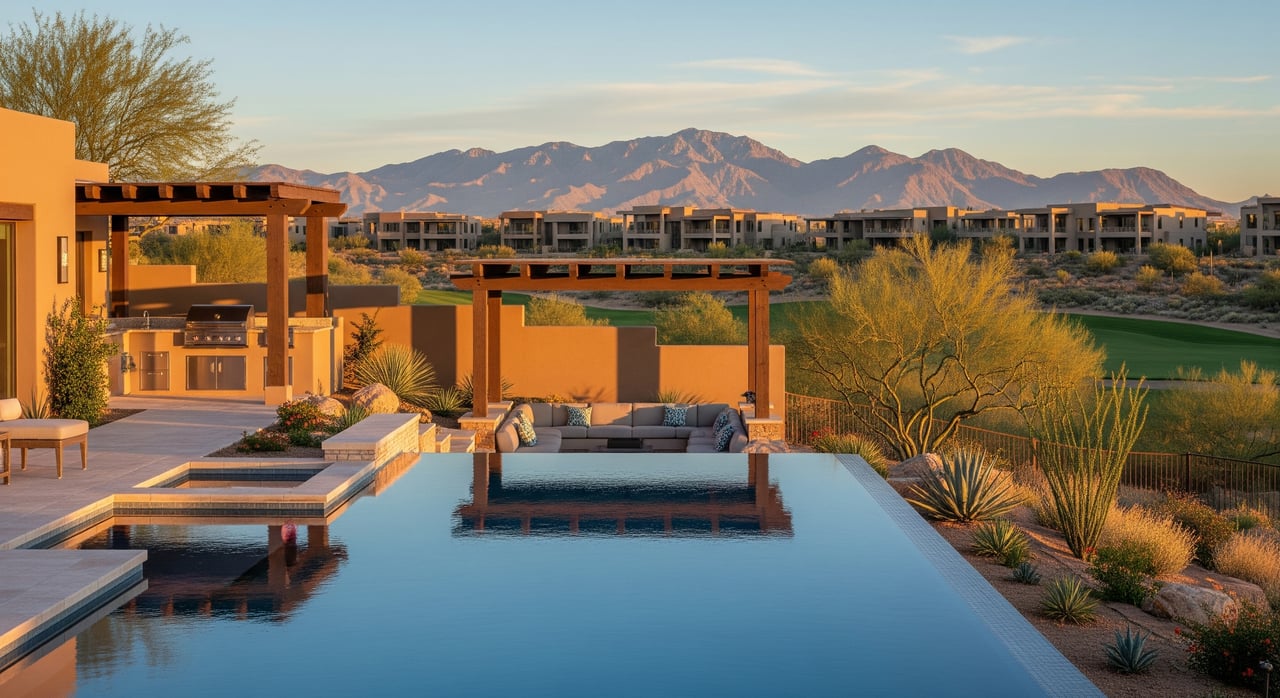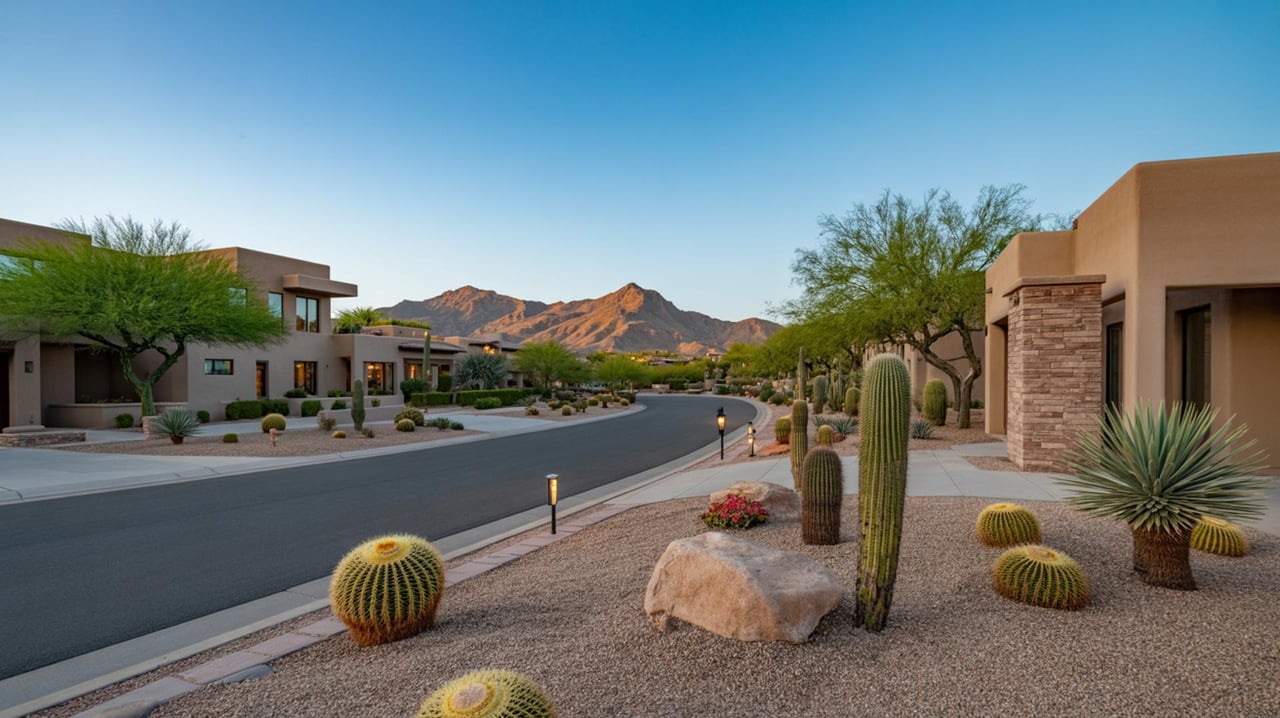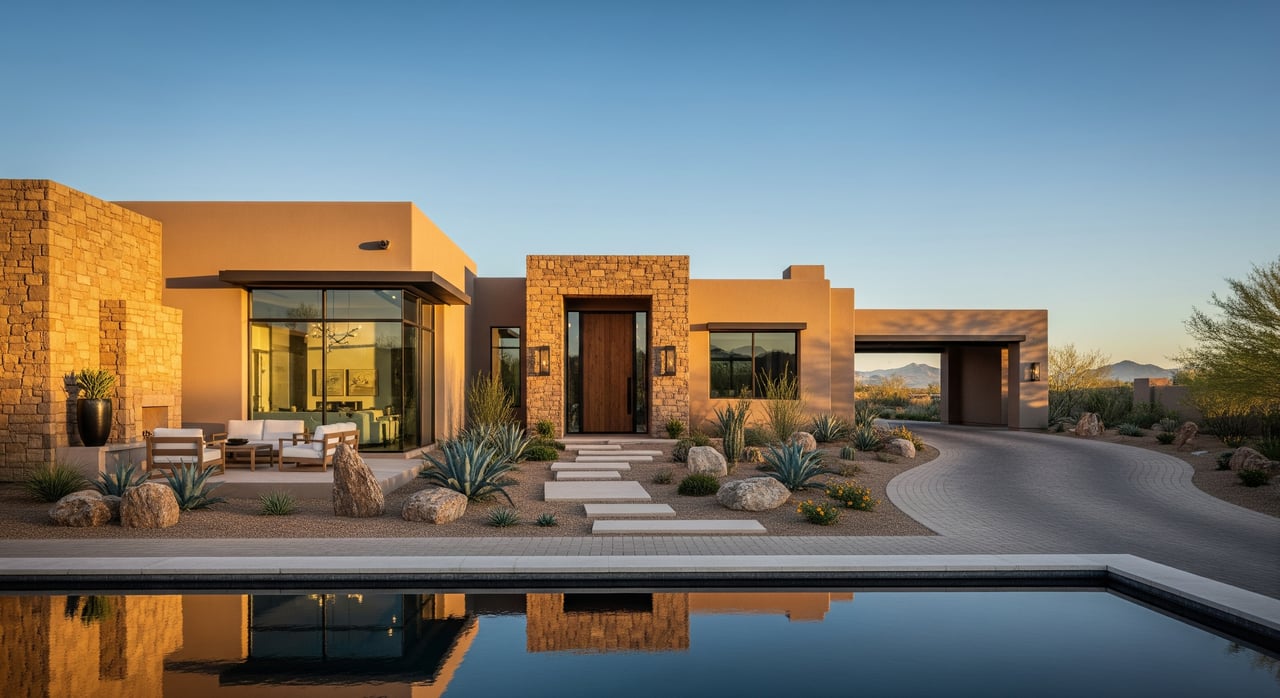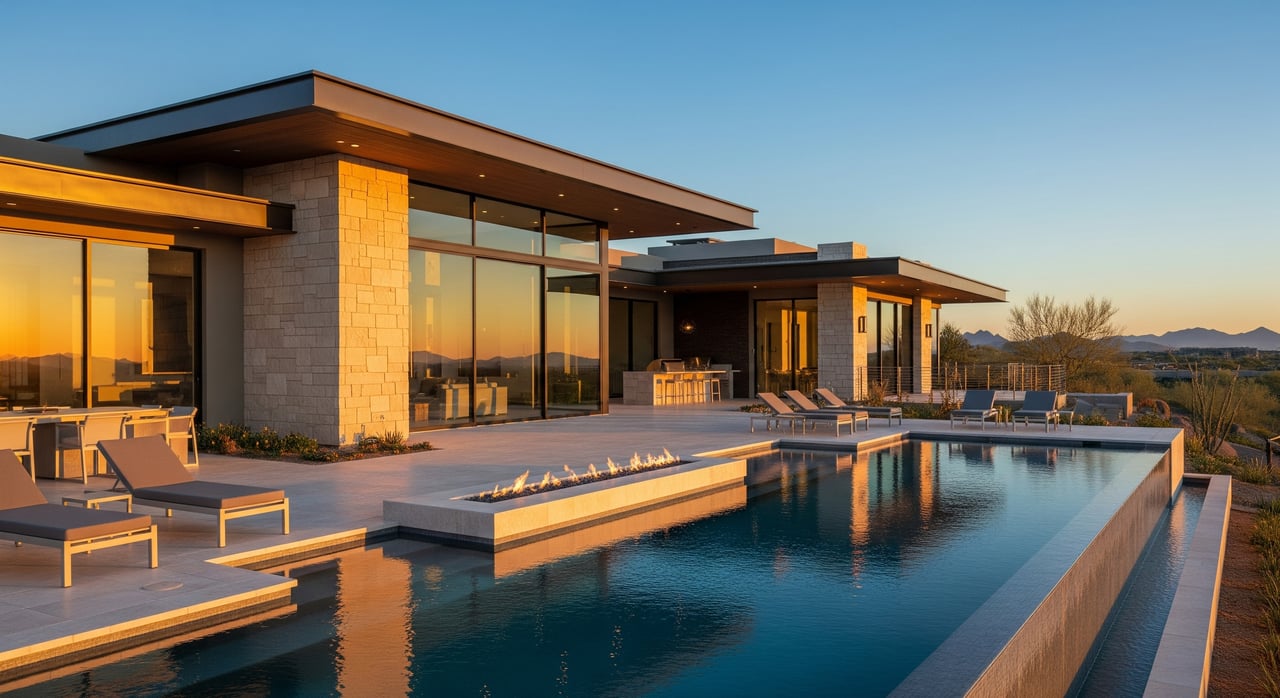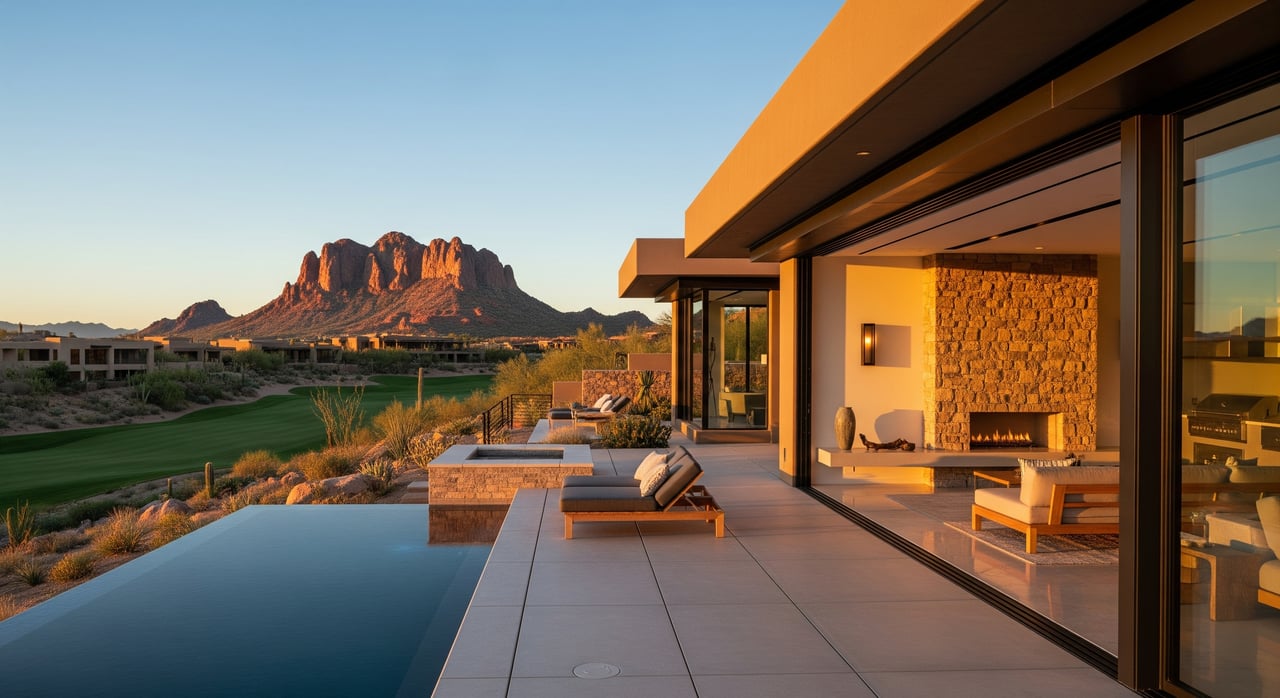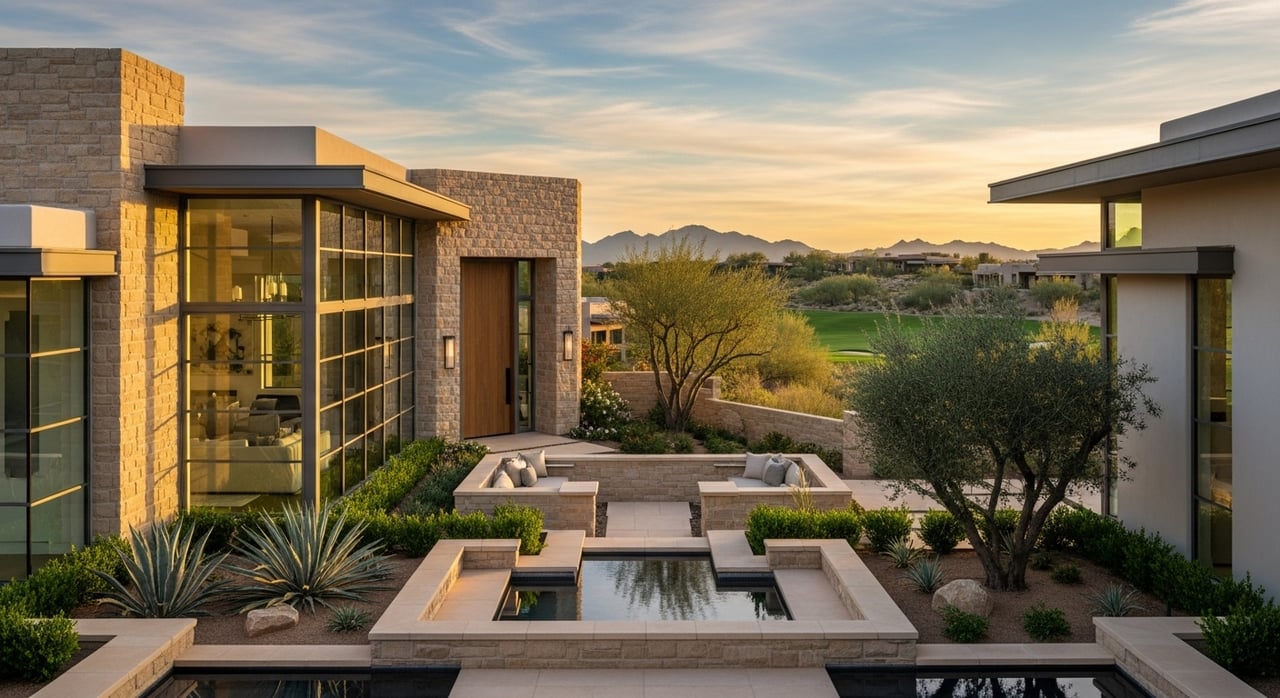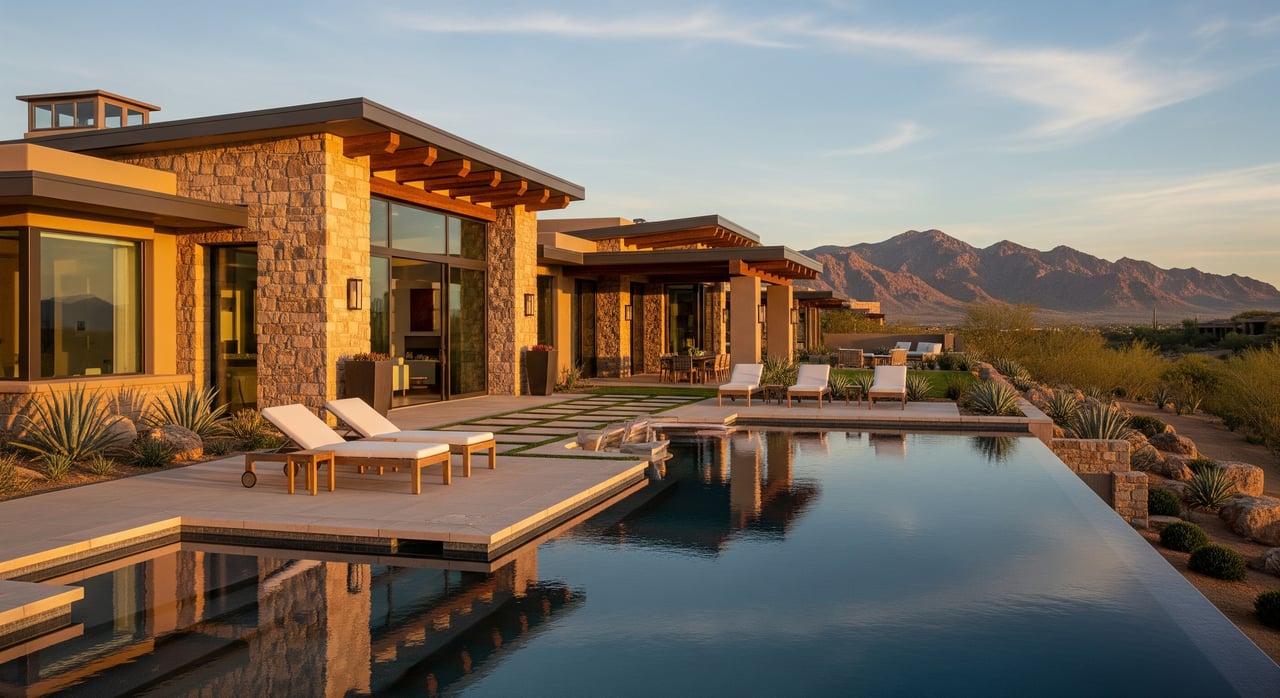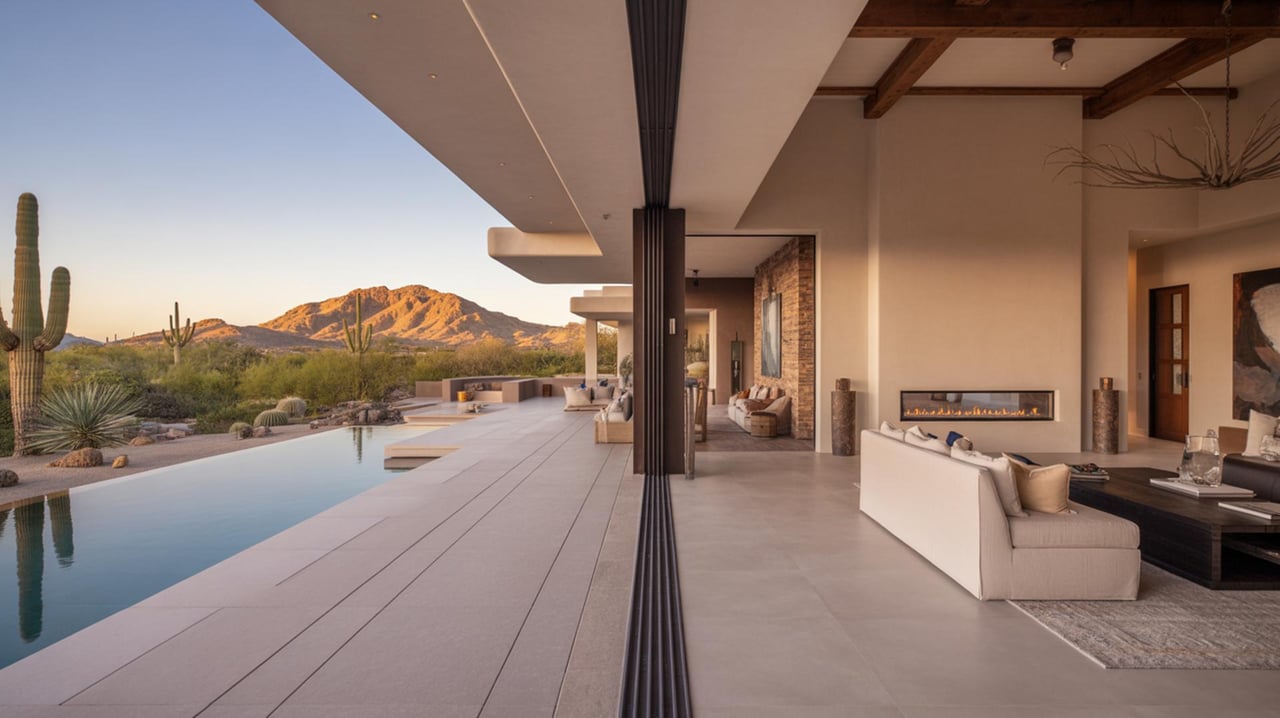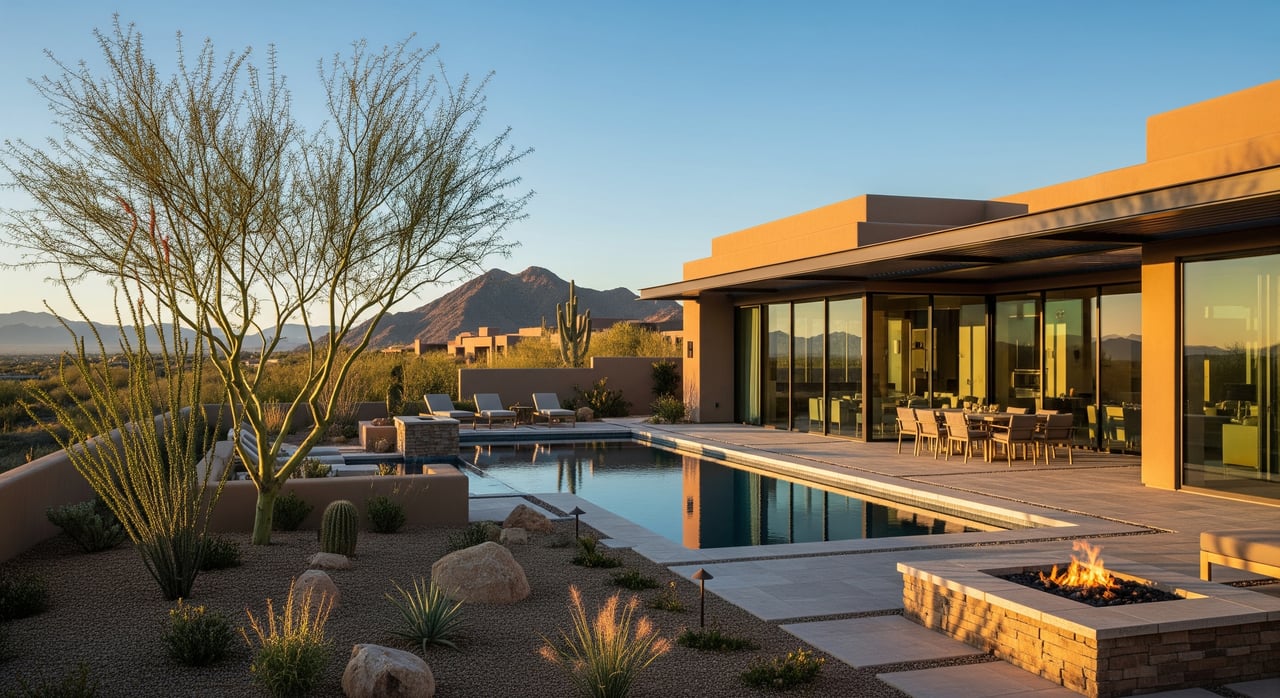
Ever wonder why two Troon Village homes with the same square footage list at very different prices? If you have searched by price per square foot, you have likely seen numbers that do not align with what your eyes and instincts tell you. You are not alone. In neighborhoods like Troon Village, $/sq ft is a useful starting filter, but it leaves out many of the attributes that actually drive value. This guide explains what $/sq ft measures, what it misses in Troon Village, and how to evaluate homes the way informed buyers, sellers, and appraisers do. Let’s dive in.
What price per square foot really shows
Price per square foot is the sale price divided by finished living area. It gives you a quick, apples-to-apples snapshot so you can compare different home sizes. At a market level, it helps you spot broad trends, such as average neighborhood values shifting up or down, or outliers that deserve a closer look.
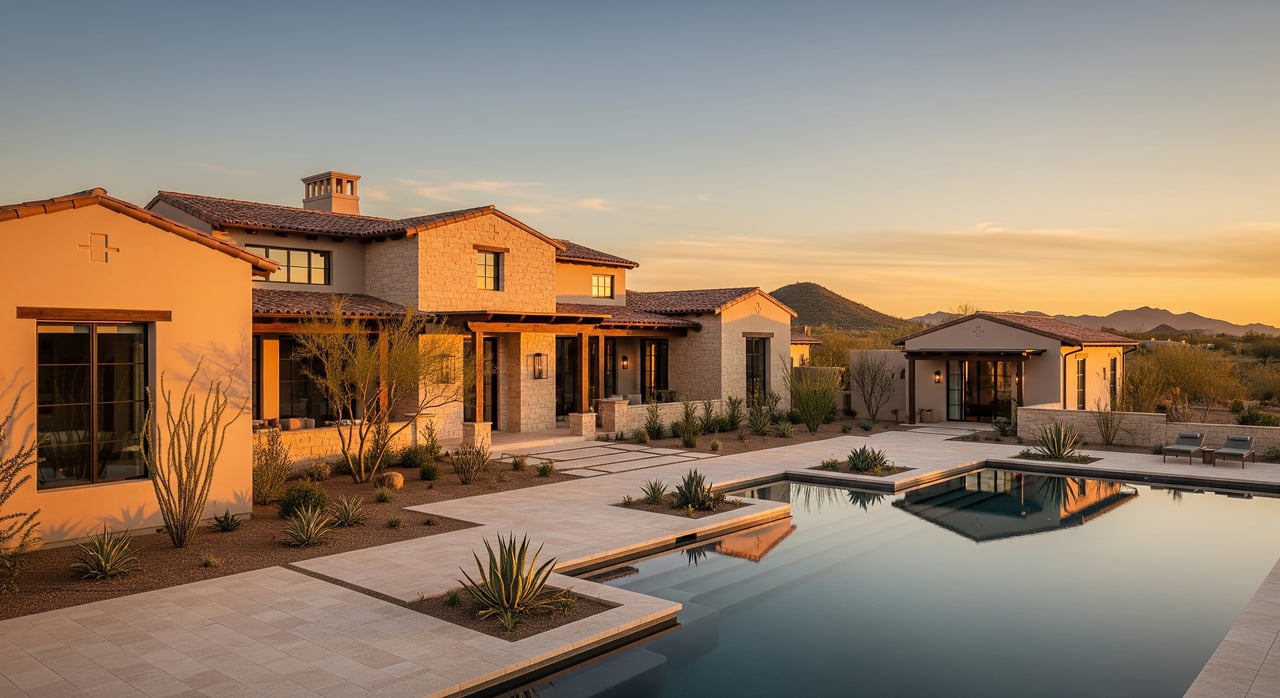
The limitation is simple. $/sq ft treats every interior square foot as if it carries the same value. In practice, value in Troon Village often comes from attributes that are not counted in the living area number. Features like views, outdoor living, and lot privacy can change buyer demand and total price even when the interior size stays the same.
Why $/sq ft misleads in Troon Village
Views and golf-course adjacency
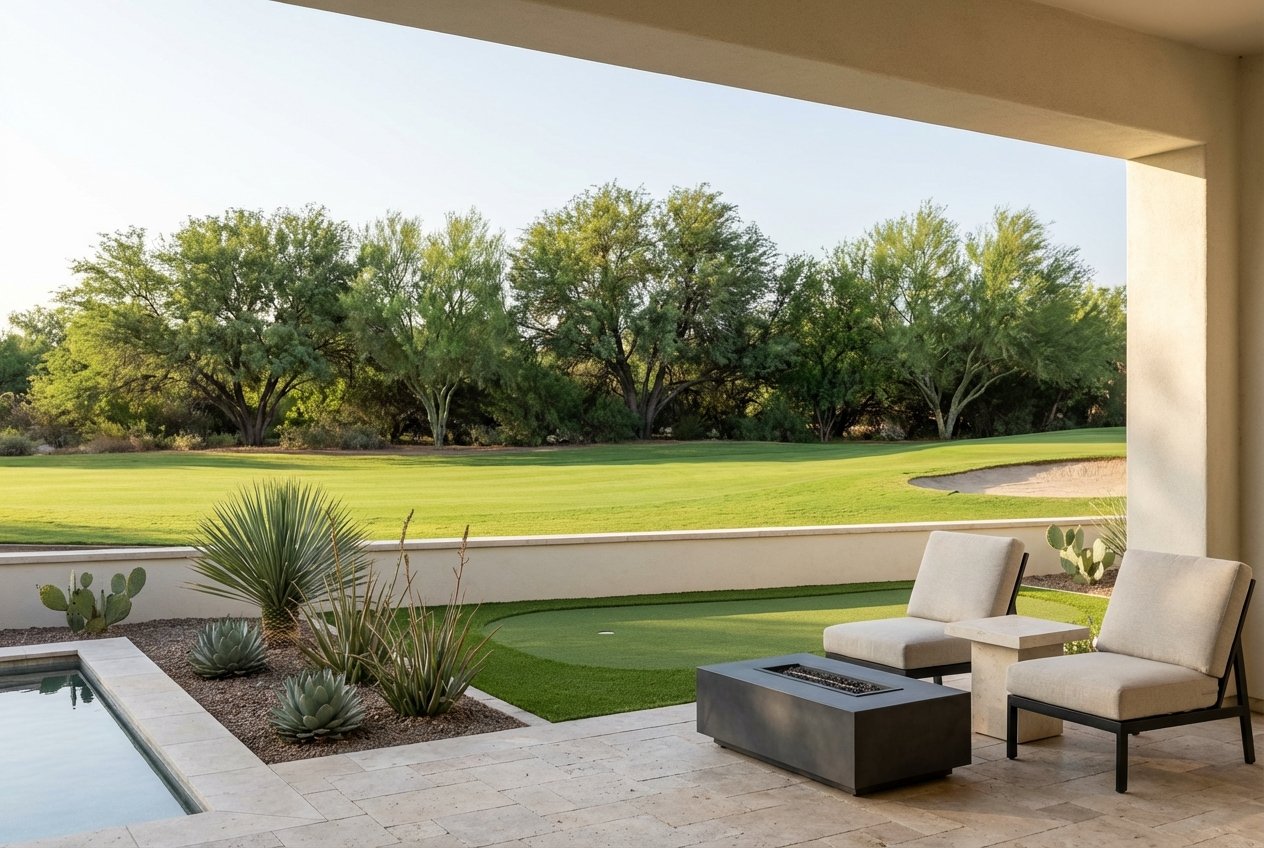
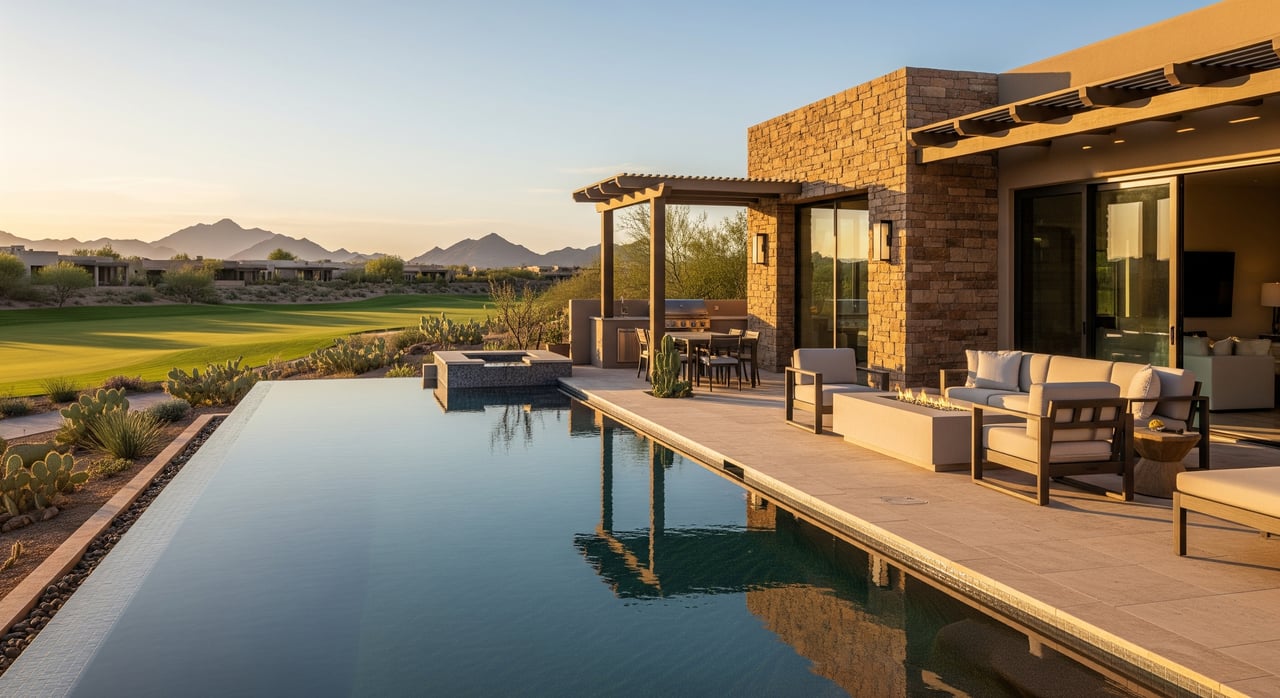
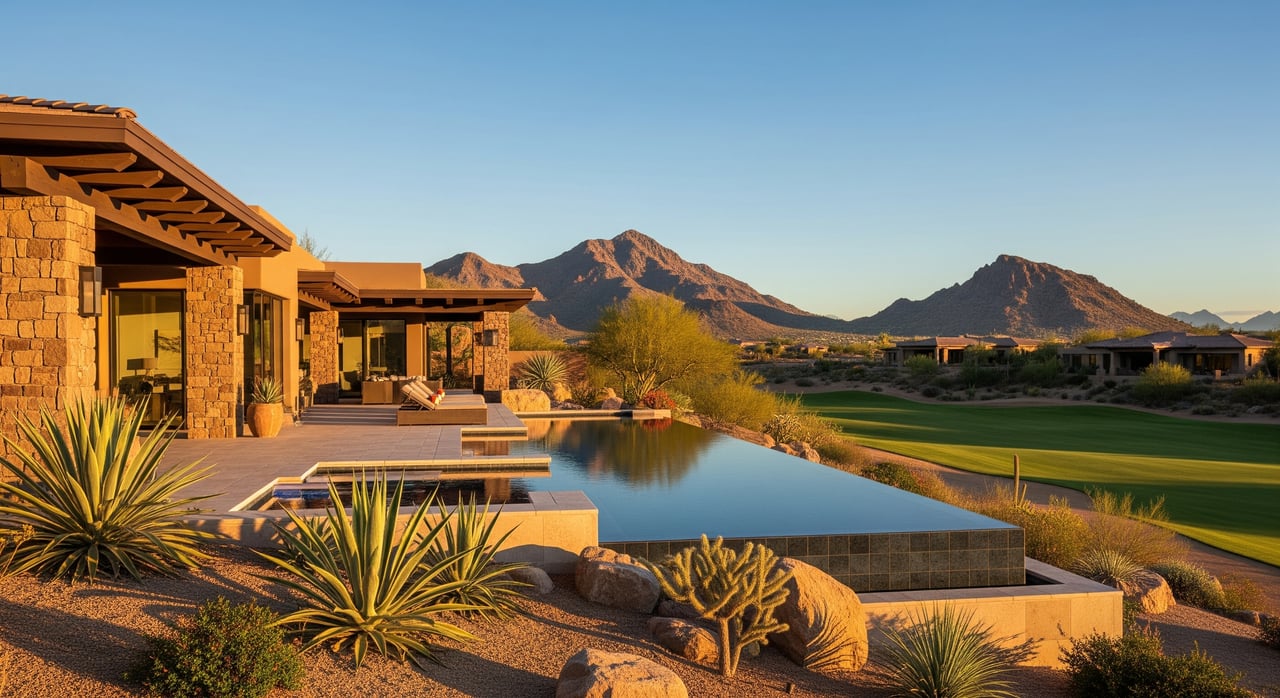
A premium view can add significant value regardless of interior size. Golf-course frontage, mountain or preserve vistas, and enhanced privacy can push listing prices higher. Two homes with the same square footage will show different $/sq ft when one receives a view premium and the other does not. Views can also improve marketability and reduce days on market.
Lot and outdoor living
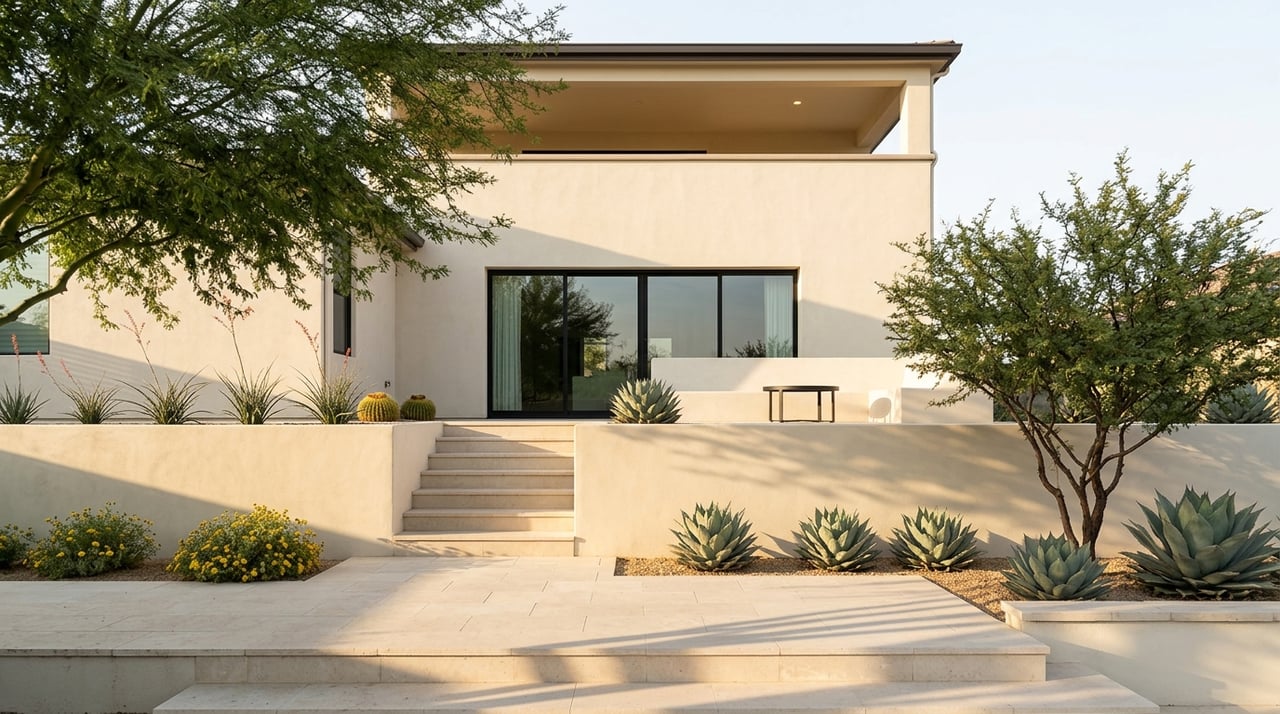
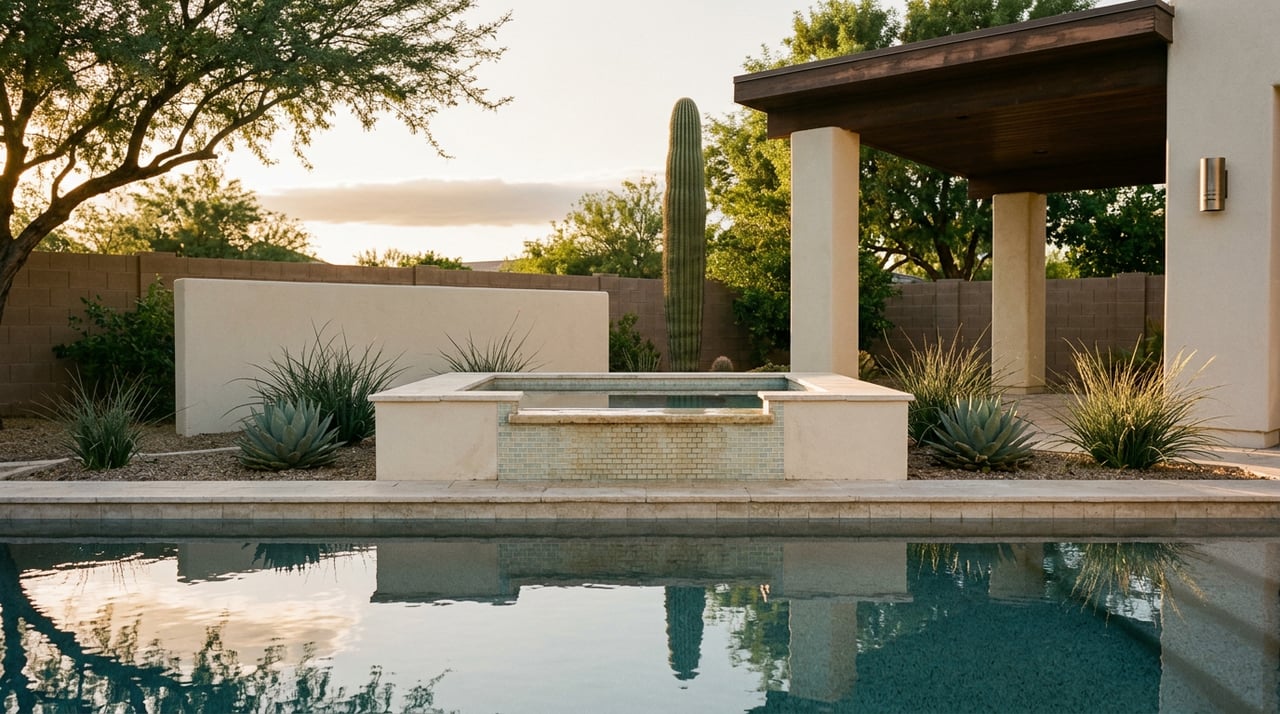
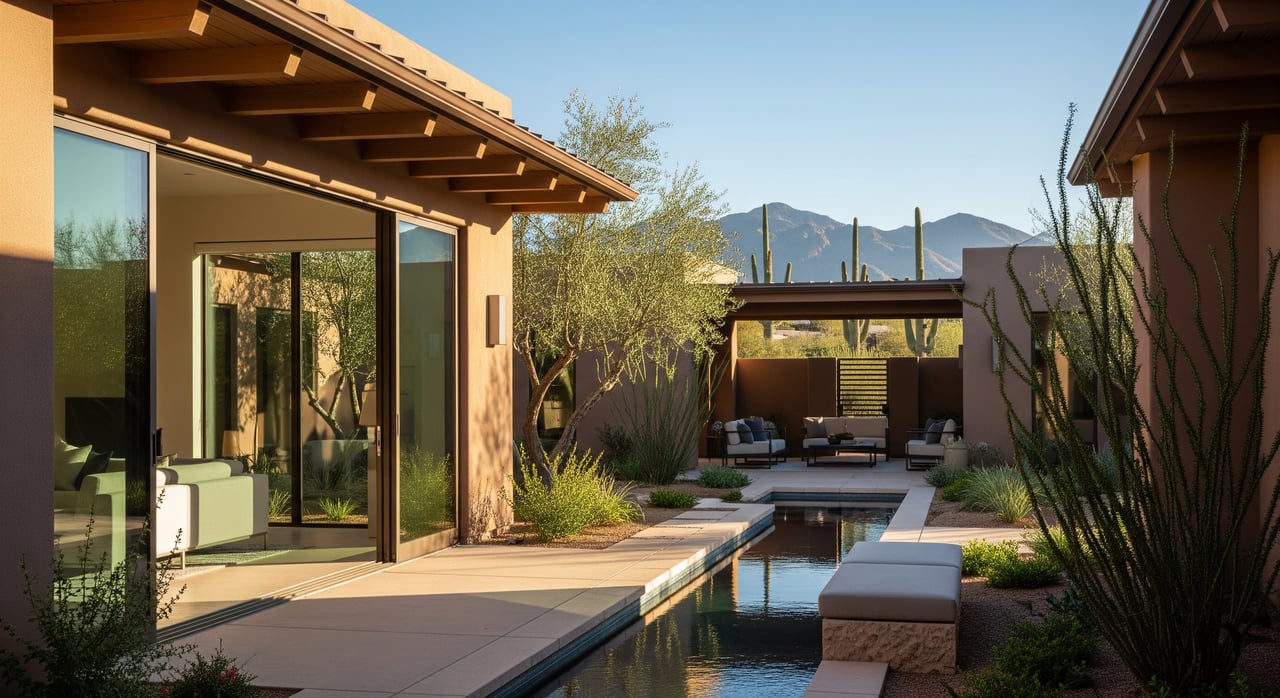
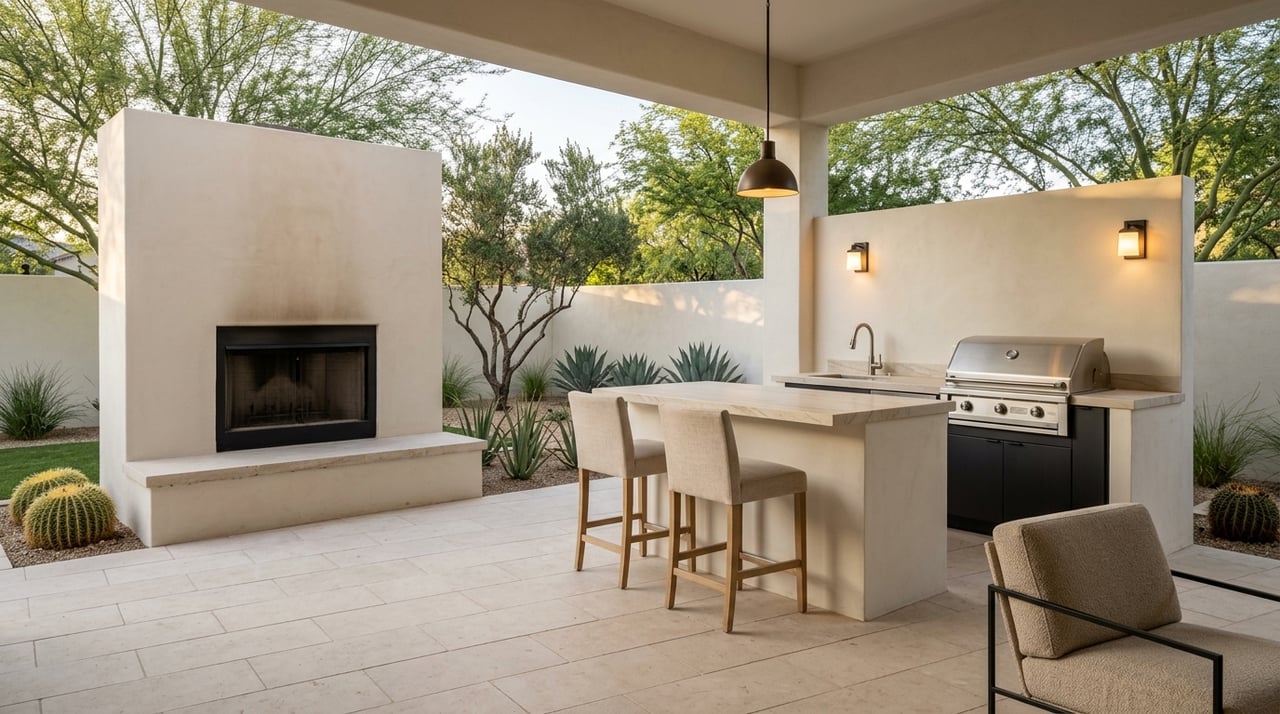
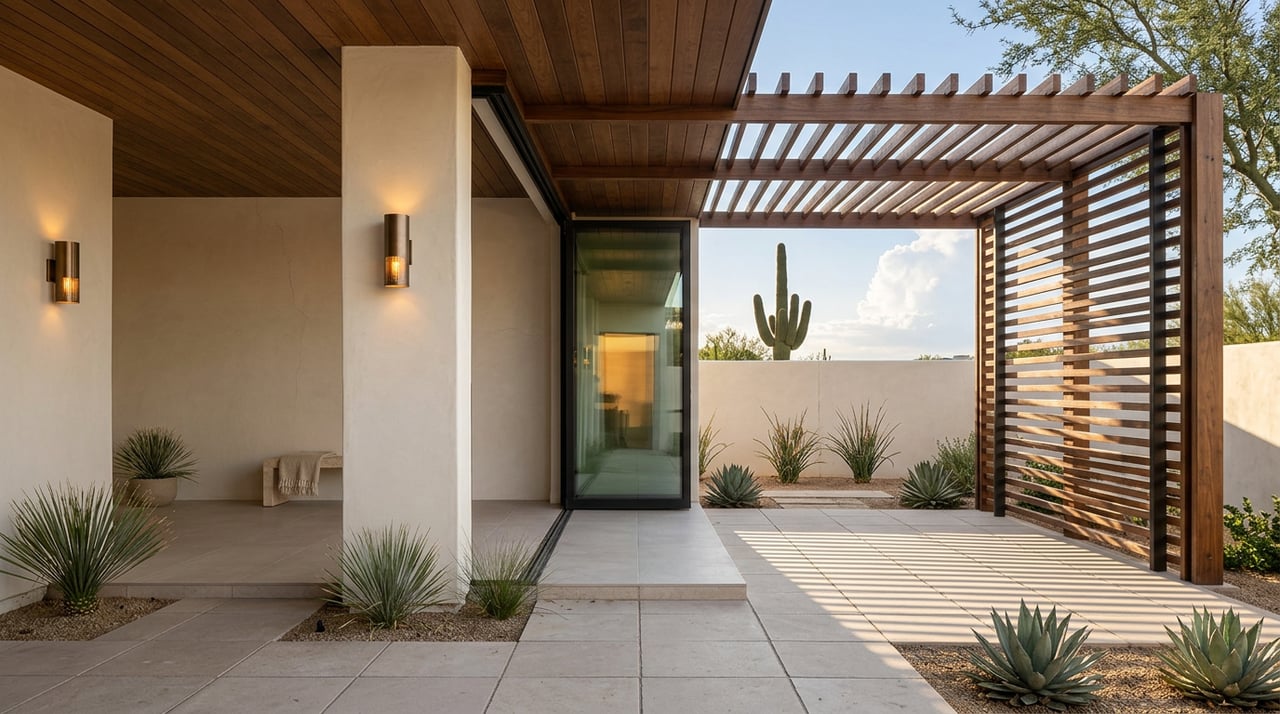
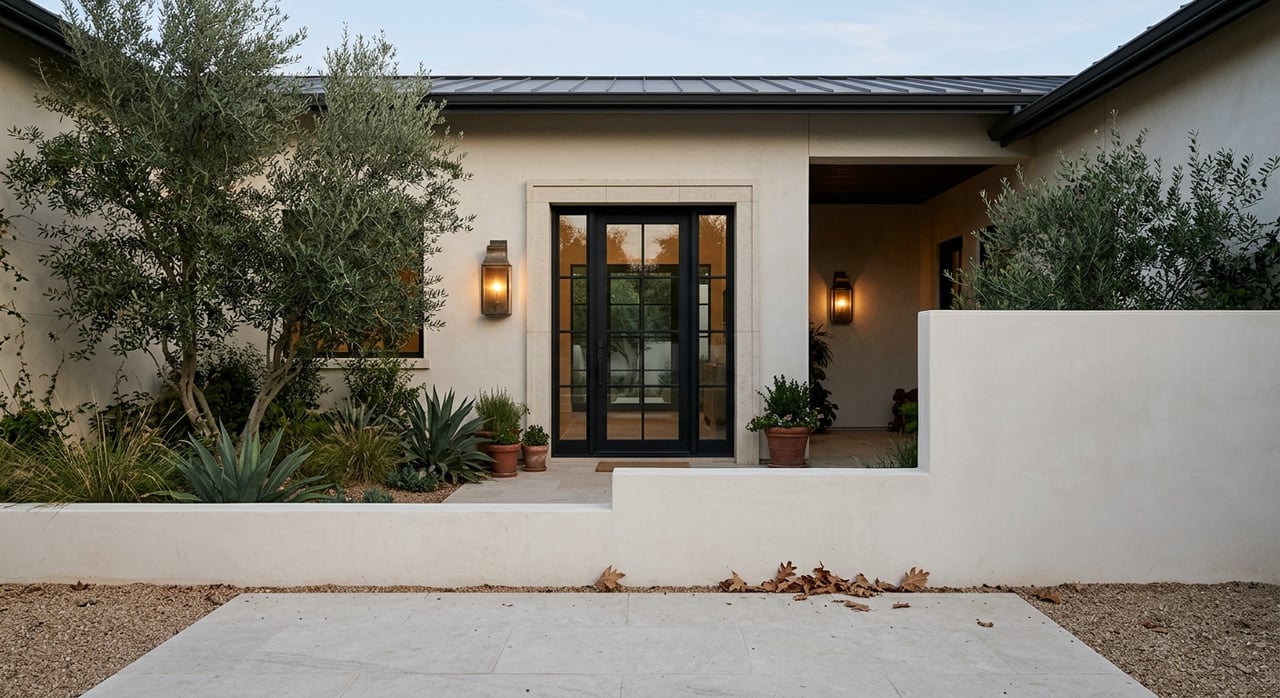
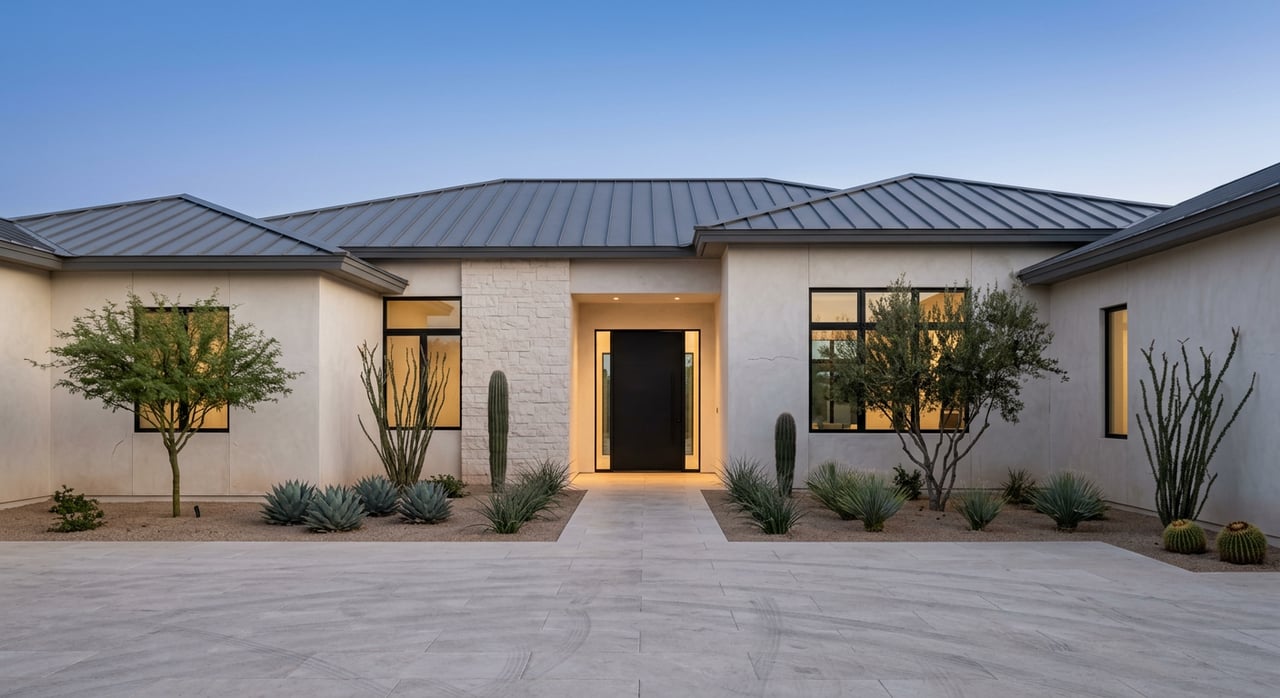
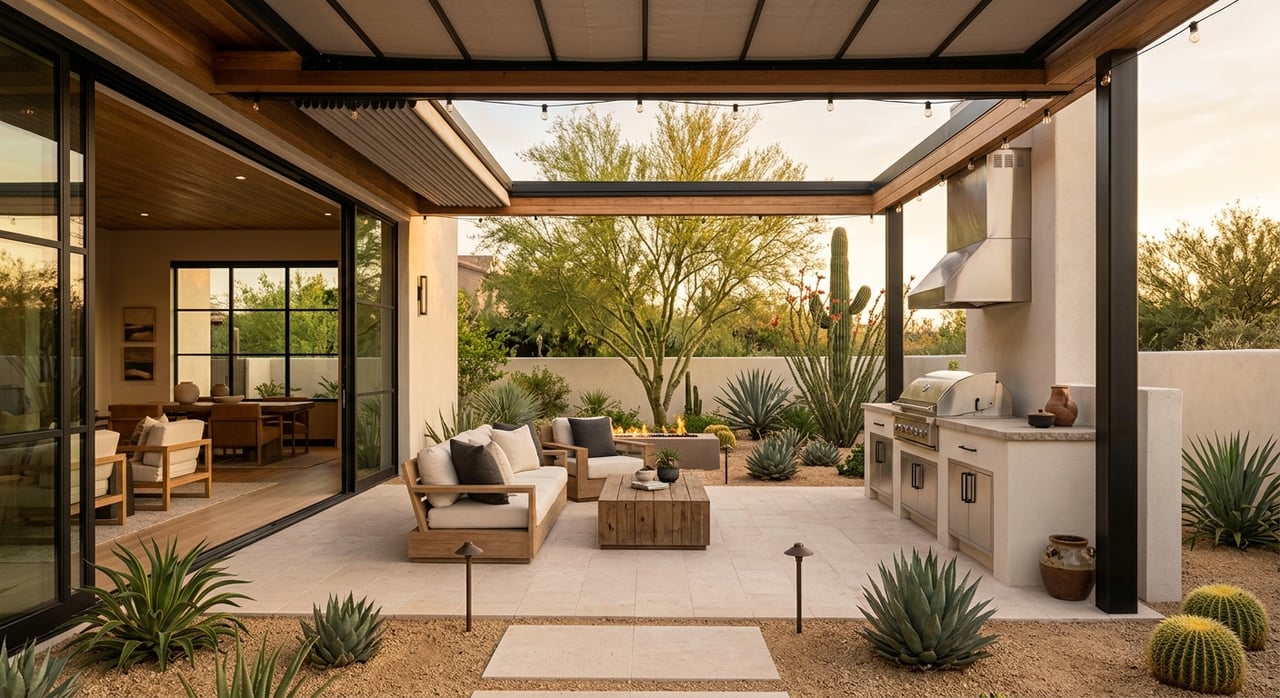
Outdoor features often create real value that $/sq ft misses. Pools, spas, covered patios, built-in grills, and thoughtful desert landscaping increase how you live day to day. In desert climates, lot orientation matters too. South-facing backyards, usable yard areas, and low-slope lots can improve comfort and function. All of these can support a higher total price without increasing interior square footage.
Floor plan and volume
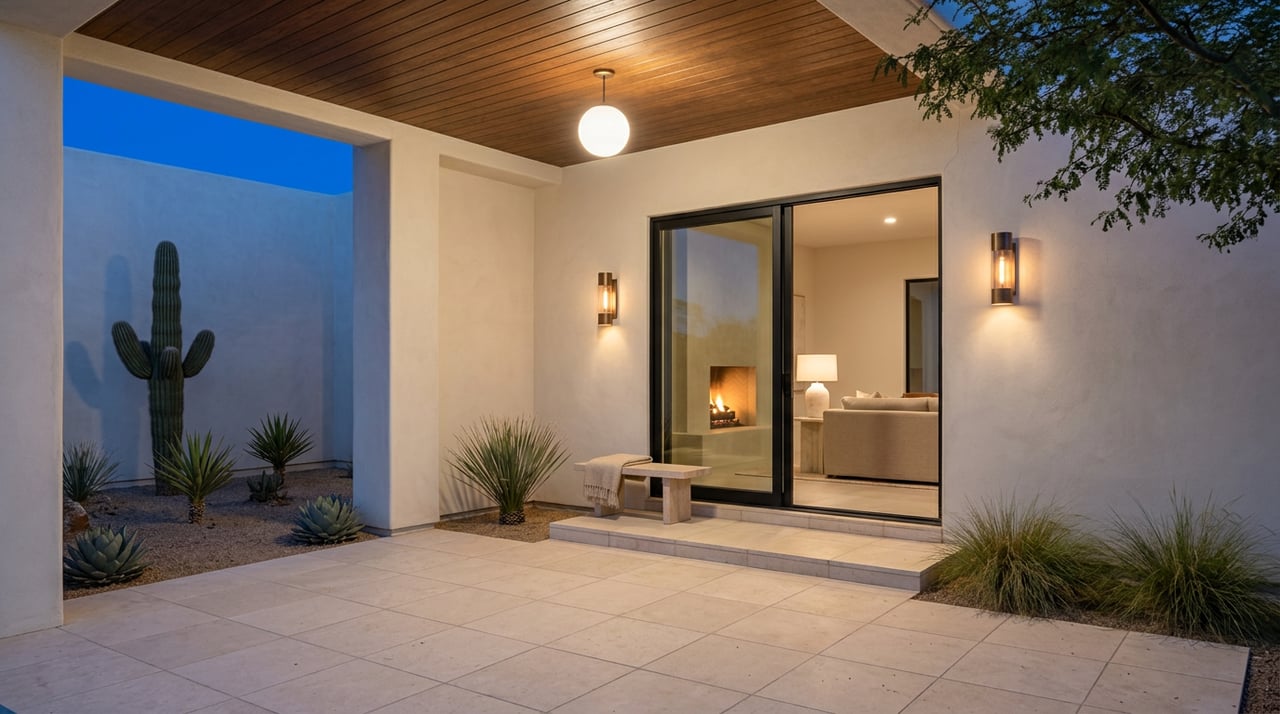
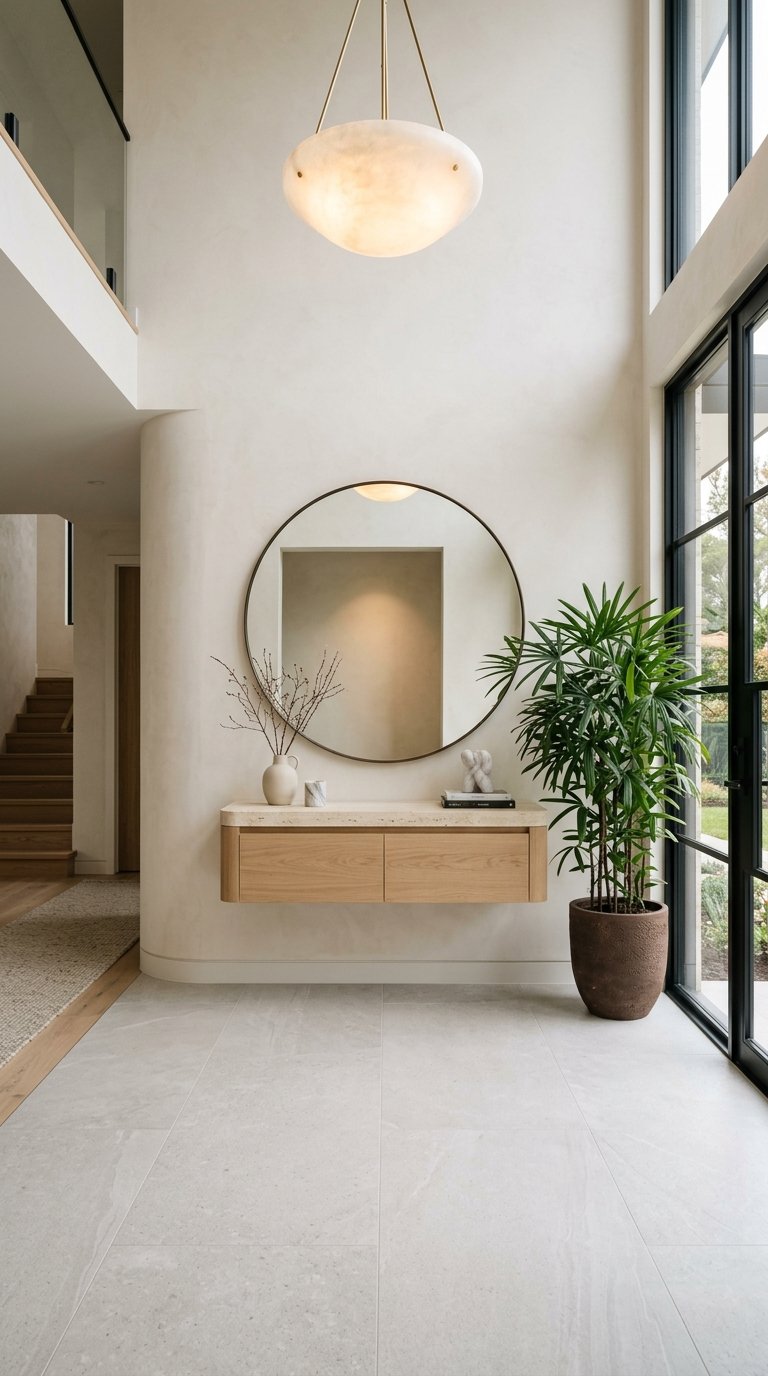
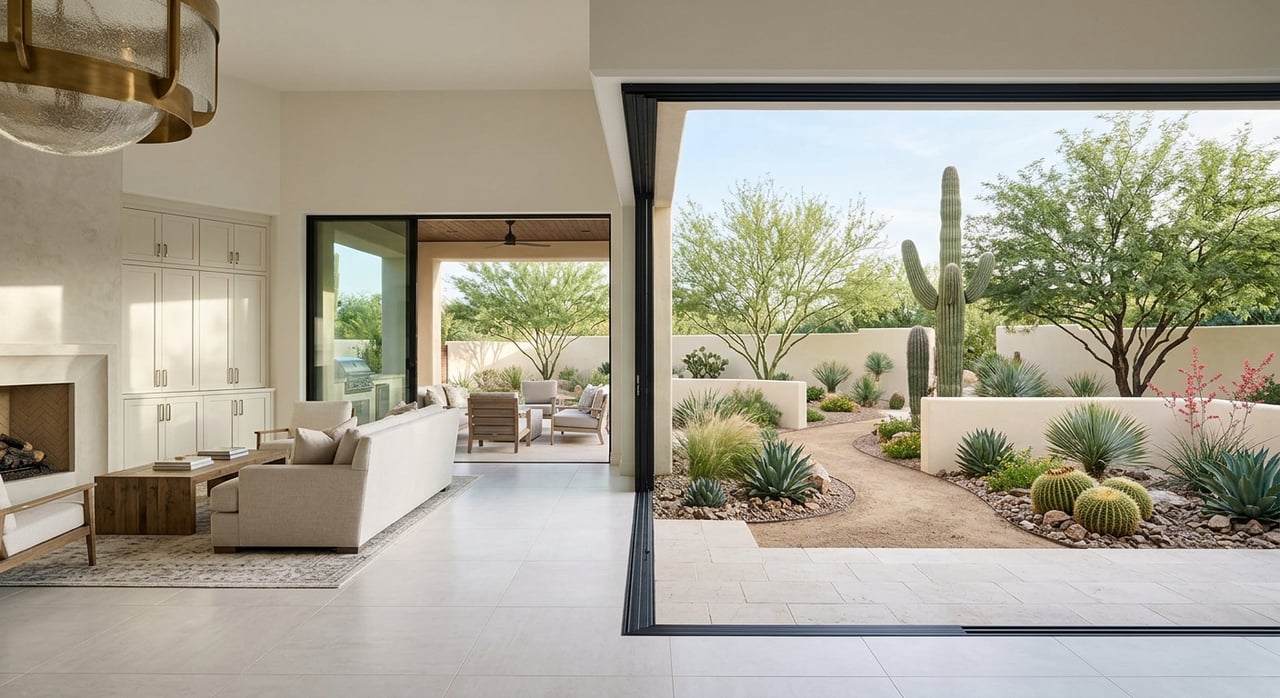
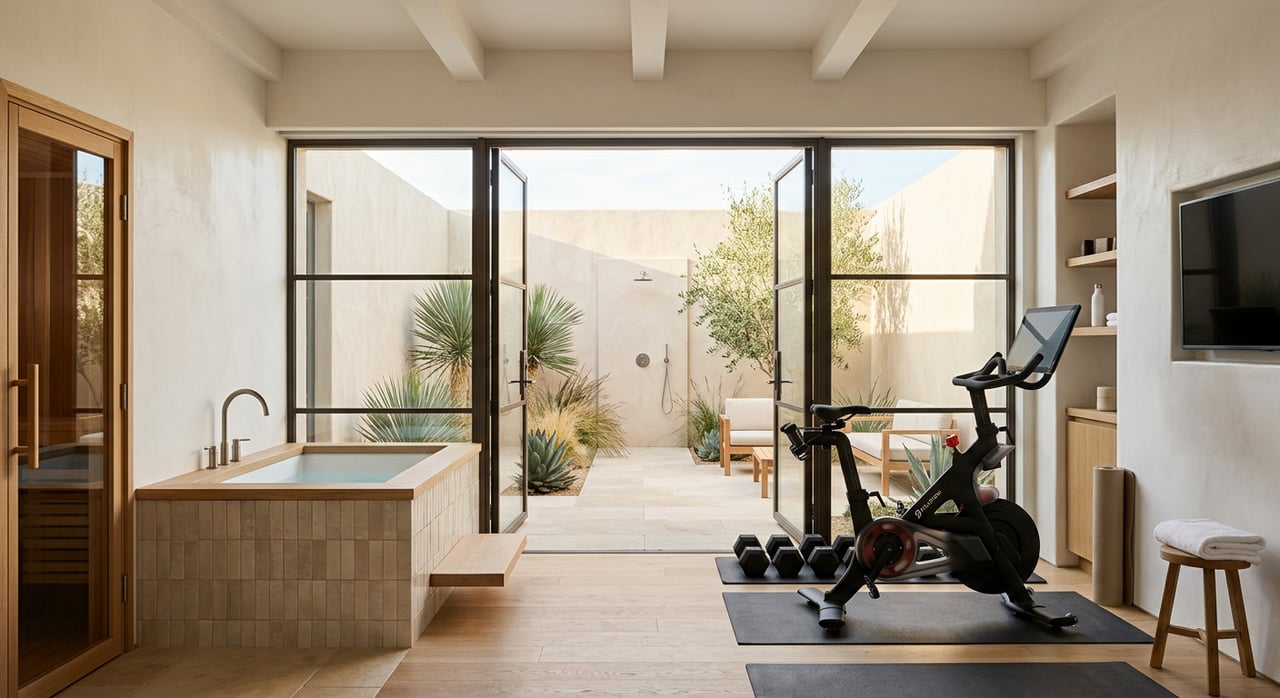
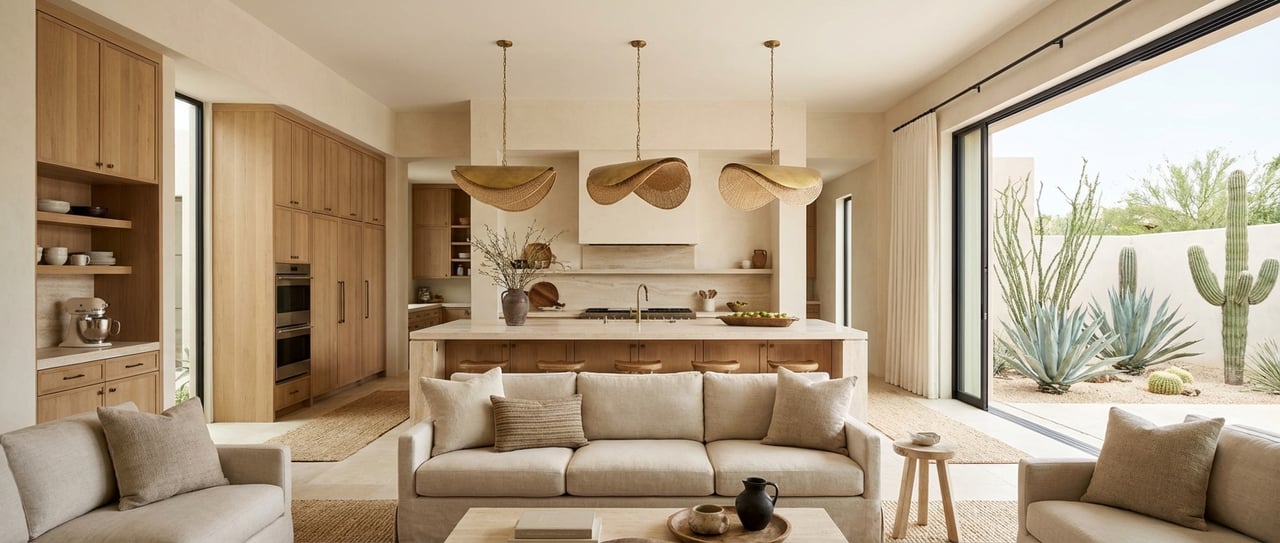
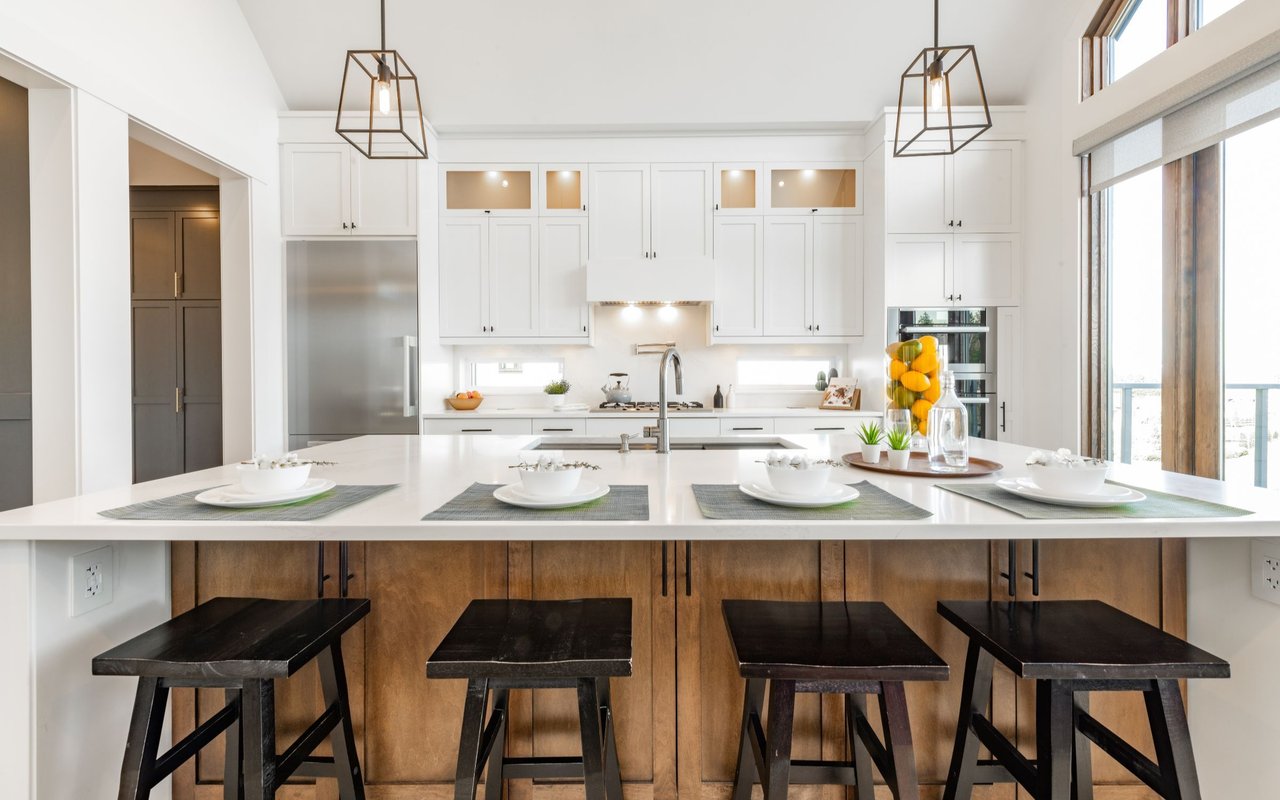
Not all square feet live the same. Efficient floor plans, well-sized rooms, and thoughtful circulation change how a home feels and functions. Higher ceilings, expanded glass, and indoor-outdoor flow can create a sense of volume and quality that a simple area calculation does not capture.
Age, condition, and systems
The condition of the roof, HVAC, water heater, and other major systems has a material impact on value. Recent replacements and permitted renovations reduce near-term risk and future costs for buyers. Cosmetic updates are not the same as a full remodel, and appraisers as well as buyers weigh that difference.
Custom build and finish quality
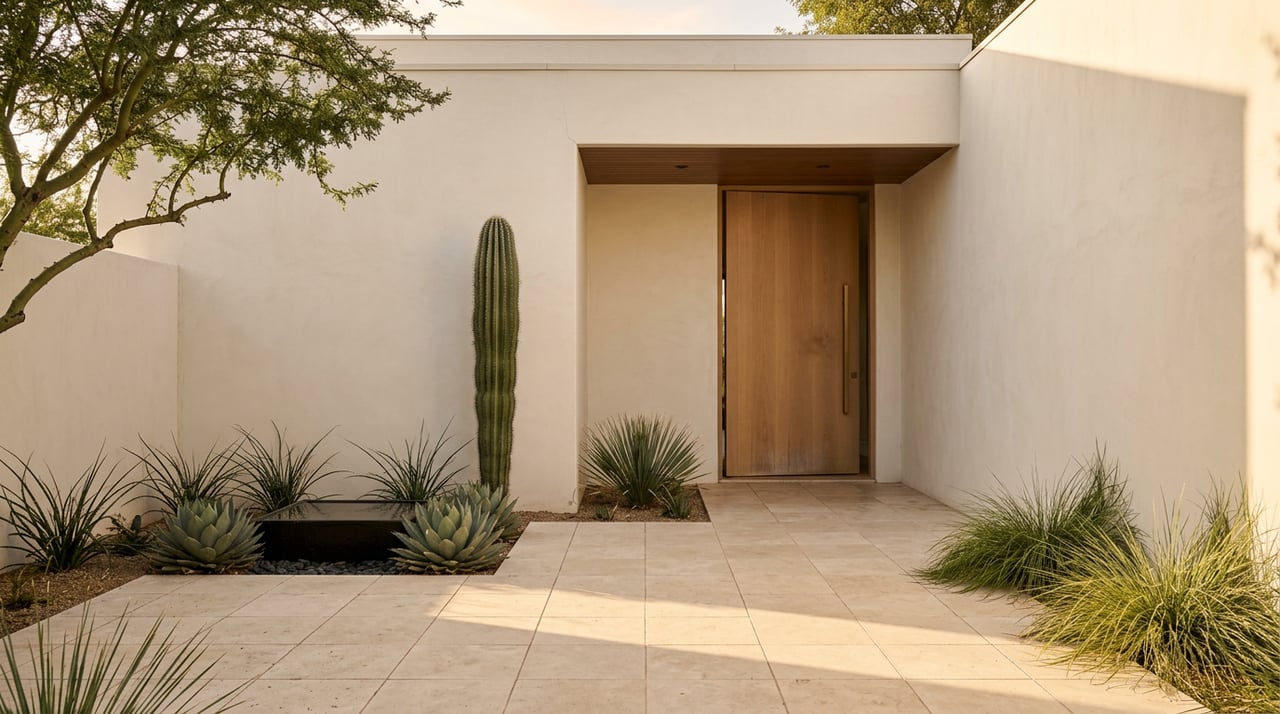
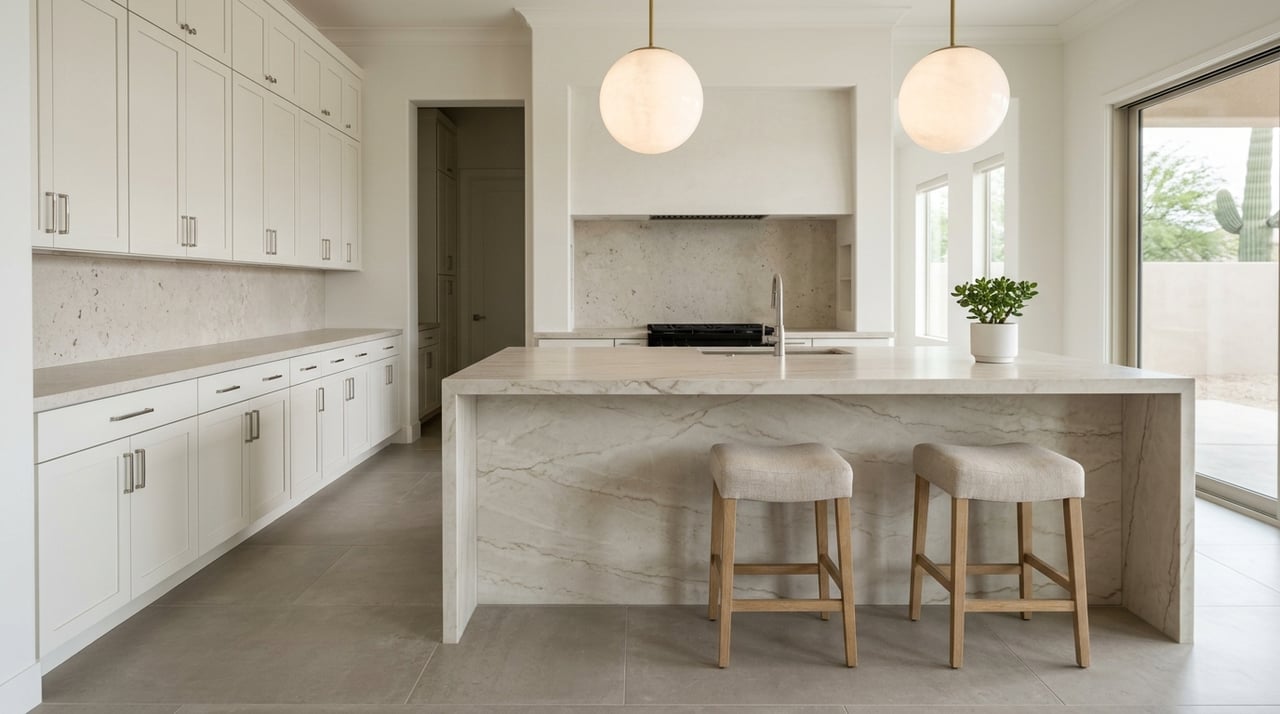
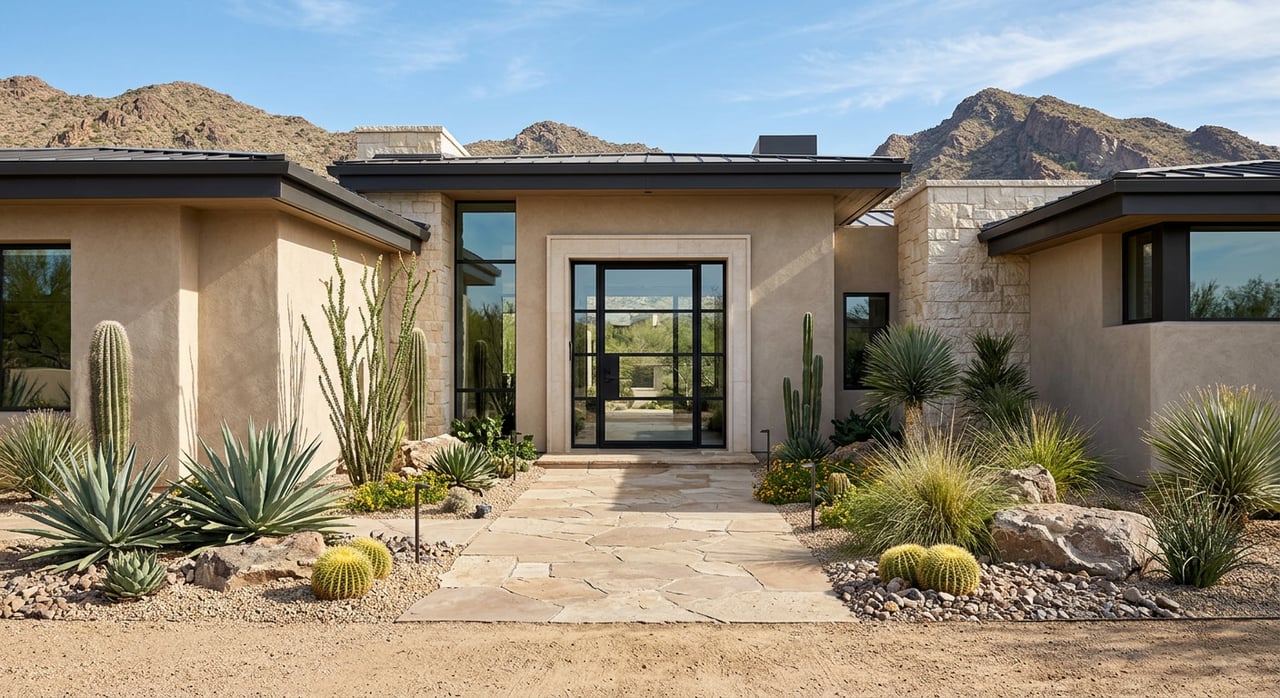
Custom homes and homes with high-end builder upgrades often trade above neighborhood averages. Stone, engineered materials, smart-home systems, and premium craftsmanship contribute to value beyond what $/sq ft alone implies.
Micro-location and privacy
Corner lots, cul-de-sacs, proximity to amenities, and exposure to nuisances can all shift value. Even within the same block, changes in privacy, noise, or sightlines can show up as sharp differences in pricing.
HOA dues and club membership
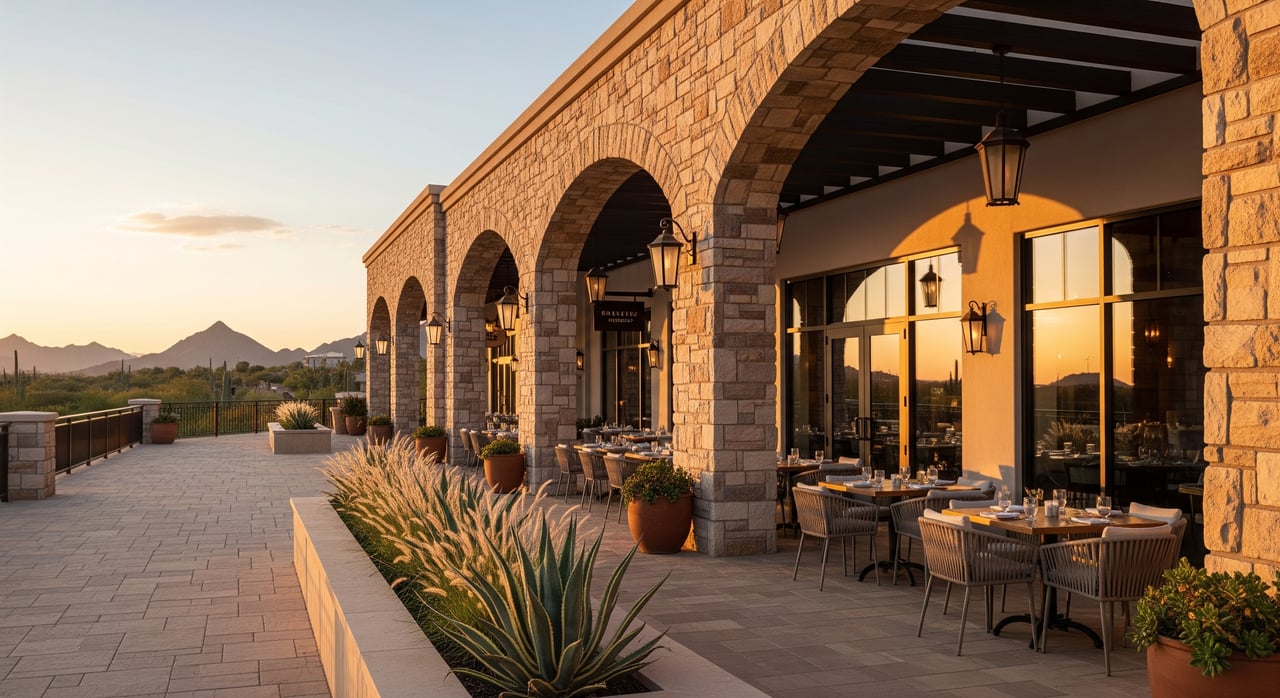
Community features can be a benefit and a carrying cost. Gated entries, shared amenities, and any club membership structure may influence demand. Higher recurring costs can narrow the buyer pool and affect total price. $/sq ft does not reflect these monthly or annual obligations.
Market micro-dynamics
Luxury segments can have thin data. A few high-dollar closings can skew averages up or down for short periods. When you see a sudden change in neighborhood $/sq ft, it may reflect low sample size or unusual sales more than a true market shift.
A simple side-by-side example
Consider two conceptually similar Troon Village homes. Same finished living area. Same year built. Both in good condition.
Home A
- No direct view, standard lot, no pool.
- Basic finishes, average ceiling height.
- Standard privacy and exposure.
Home B
- Mountain or course view with enhanced privacy.
- Pool, spa, and extended covered patio with outdoor kitchen.
- Higher ceilings, upgraded materials, smart systems.
Home B’s total price will likely be higher because buyers place real value on view, outdoor living, and finish quality. When you divide that higher total price by the same interior square footage, you get a higher $/sq ft. The metric makes it look like Home B is simply “expensive per foot,” but what actually happened is that non-size features carried premiums that $/sq ft cannot separate or explain.
How to value Troon Village homes beyond $/sq ft
Use adjusted comparable sales
Adjusted comps are the foundation for accurate pricing. Start with recent, nearby sales. Then adjust for the attributes that matter in Troon Village.
- View premiums: golf-course, mountain, preserve, or none.
- Lot and outdoor living: pool, spa, covered patio, outdoor kitchen, yard usability, orientation, and slope.
- Condition and updates: recent systems, permitted remodels, and overall finish quality.
- Layout and volume: room counts, floor-plan efficiency, ceiling height.
Paired sales can help. If two similar homes differ by a pool or a view, the price gap can inform what that feature contributes in this micro-area. Keep sample sizes clear and use a time window that reflects current market conditions.
Add complementary metrics
$ /finished sq ft is not the only lens you can use.
- Price per lot square foot or acre when lot sizes vary.
- Price per bedroom or bath for different floor plans.
- Median sale price and SP to LP ratio to understand negotiation and liquidity.
- Days on market and absorption rate to read demand and timing.
These metrics add context so you can see why a higher or lower $/sq ft may be justified.
Consider appraisal and financing
Appraisers rely on comparable sales of similarly equipped homes. If your subject home has unique features and the comps do not, lenders may require more documentation or a larger down payment. Unpermitted additions are often excluded from the appraised living area, which can affect value and financing options. Always verify permit status for additions, major remodels, and pool construction.
Focus on data quality
In niche segments, quality matters more than quantity.
- Use 3 to 12 months of closed sales depending on transaction volume.
- Expand the geographic or time window only if the immediate sample is too thin, and disclose that you did so.
- Note whether you are using mean or median figures, and always cite the sample size.
- Exclude non-arm’s-length transactions and special circumstances unless you are analyzing them as exceptions.
A quick buyer checklist
Use this list to decide whether a home’s price makes sense beyond $/sq ft.
- View and privacy: What do you see from main rooms and the yard, and how private is the lot?
- Lot and outdoor living: Pool, spa, shade, yard usability, and orientation for desert comfort.
- Condition: Age of roof, HVAC, and water heater, plus any permitted updates.
- Layout and volume: How well do the rooms live, and do ceiling heights add value?
- Carrying costs: HOA dues and any membership structure, plus maintenance for pools and landscaping.
- Market context: Days on market and recent adjusted comps for similarly equipped homes.
A quick seller checklist
Position your home to command the right total price, not just a target $/sq ft.
- Document investments: Provide permits, receipts, and dates for major systems and remodels.
- Showcase outdoor living: Highlight pool, spa, patio, and yard orientation in photos and marketing.
- Prove premiums: Use adjusted comps that reflect your view, upgrades, and lot advantages.
- Clarify costs: Share HOA dues and any assessments to set expectations early.
- Set strategy: Consider days on market history and absorption when choosing list timing and price.
Where to get reliable numbers
For precise analysis, you need complete and accurate data.
- MLS: The most detailed source for recent comparable sales, features, photos, and days on market.
- County assessor and recorder: Lot size, legal descriptions, tax history, and recorded deeds.
- City planning and building permits: Verification of permitted additions, remodels, and pools.
- HOA and community documents: Dues, assessments, and membership requirements if applicable.
- Local market reports: Use them for context, then verify with MLS data before making decisions.
When you review any neighborhood statistic, note the time window, sample size, and whether the figure is a mean or median. Transparency helps you avoid small-sample traps that can distort $/sq ft averages in luxury segments.
The bottom line
Price per square foot is a helpful early filter in Troon Village, but it is not a valuation method for individual homes. Real value comes from the sum of location, view, lot quality, outdoor living, finishes, systems, and livability. If you weigh these attributes and use adjusted comparable sales, you will make more confident decisions as a buyer or seller.
Ready for a pricing conversation that reflects how Troon Village buyers actually think and spend? Request a Private Market Valuation with The Macklin Group for an adjusted comparable analysis tailored to your property.
FAQs
Is a higher $/sq ft always better in Troon Village?
- No. A higher $/sq ft can reflect view, upgrades, outdoor living, or a smaller but higher-quality home. Evaluate total price, carrying costs, and market context.
How should I compare a home with a pool to one without?
- Treat the pool as a separate premium. Use paired sales in the same micro-area to estimate value, and factor in maintenance and potential replacement costs.
My home is smaller but priced higher per foot. Is that a problem?
- Not necessarily. Smaller homes with premium views, finishes, or lots often show higher $/sq ft yet still represent fair market value when total price and demand align.
Do HOA dues or club memberships change value?
- Yes. Higher dues or mandatory memberships reduce net affordability for some buyers and can narrow the buyer pool. Analyze these costs separate from $/sq ft.
What role do permits play in value and financing?
- Permitted work is generally included in official living area and supports appraisals. Unpermitted additions may be excluded and can complicate financing.
Should I set my list price using neighborhood $/sq ft averages?
- Use $/sq ft as one input only. Prioritize adjusted comparable sales that reflect view, lot, condition, and amenities so your pricing captures real premiums.