Are you exploring a rental investment in Grayhawk and want a clear plan to protect returns? You are not alone. Investors see steady demand for single-family homes here, but success comes from good underwriting, HOA awareness, and tight operations. This guide walks you through the local context, legal rules, expense lines, and due-diligence steps so you lease with confidence. Let’s dive in.
Why Grayhawk attracts renters
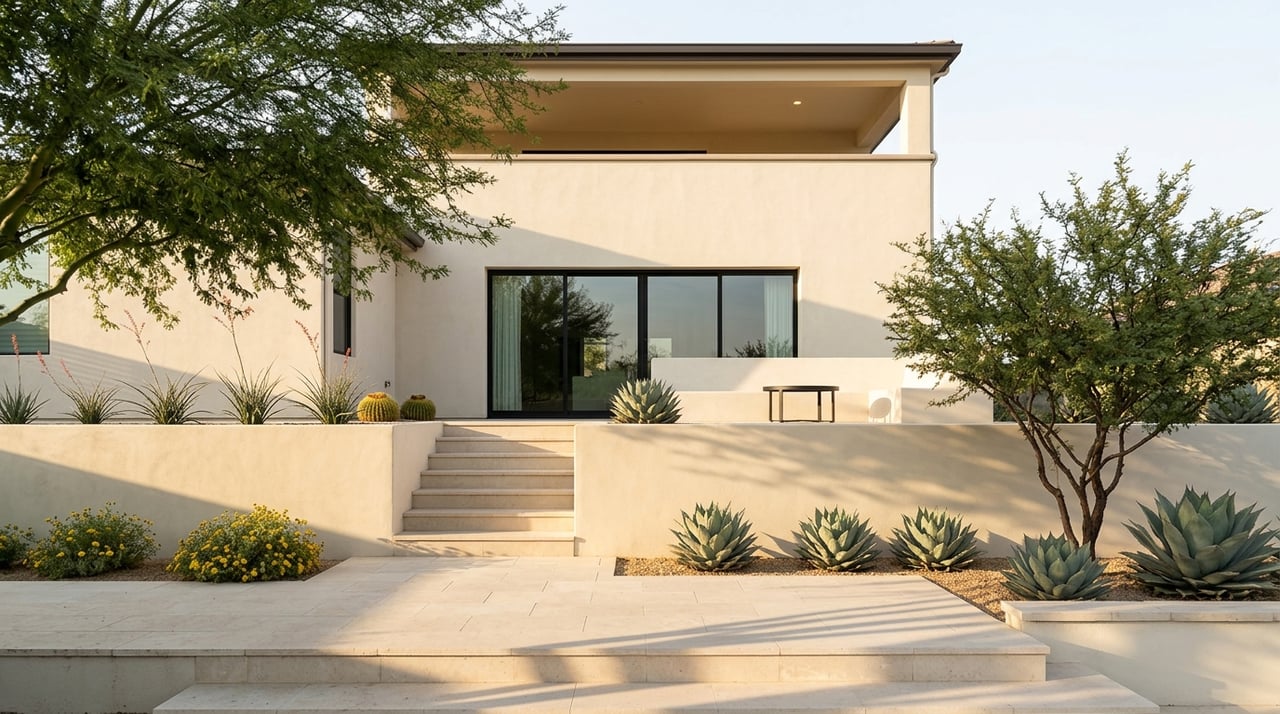
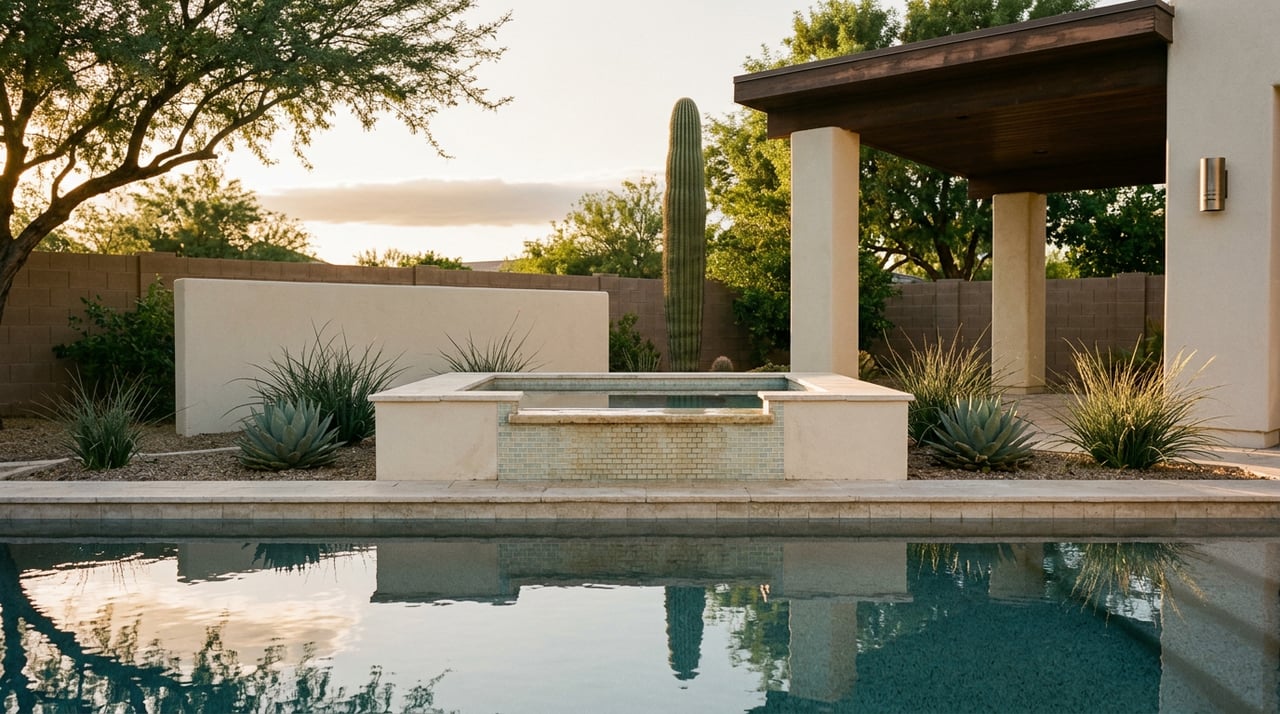
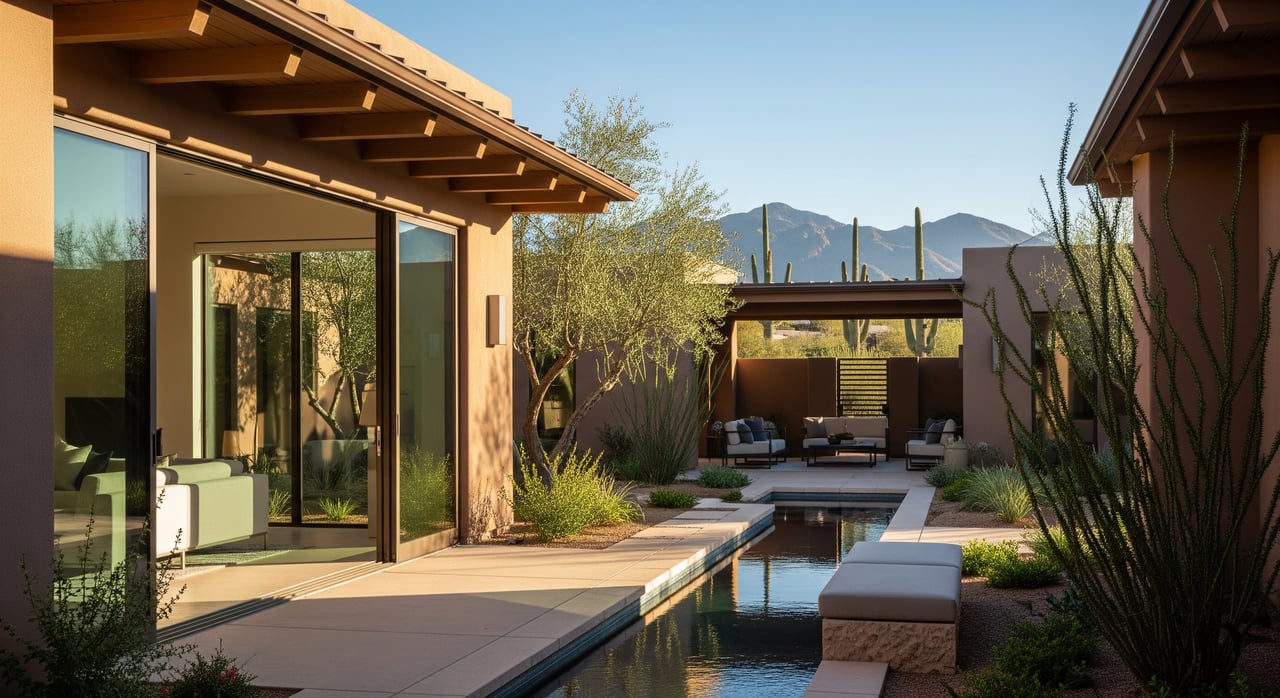
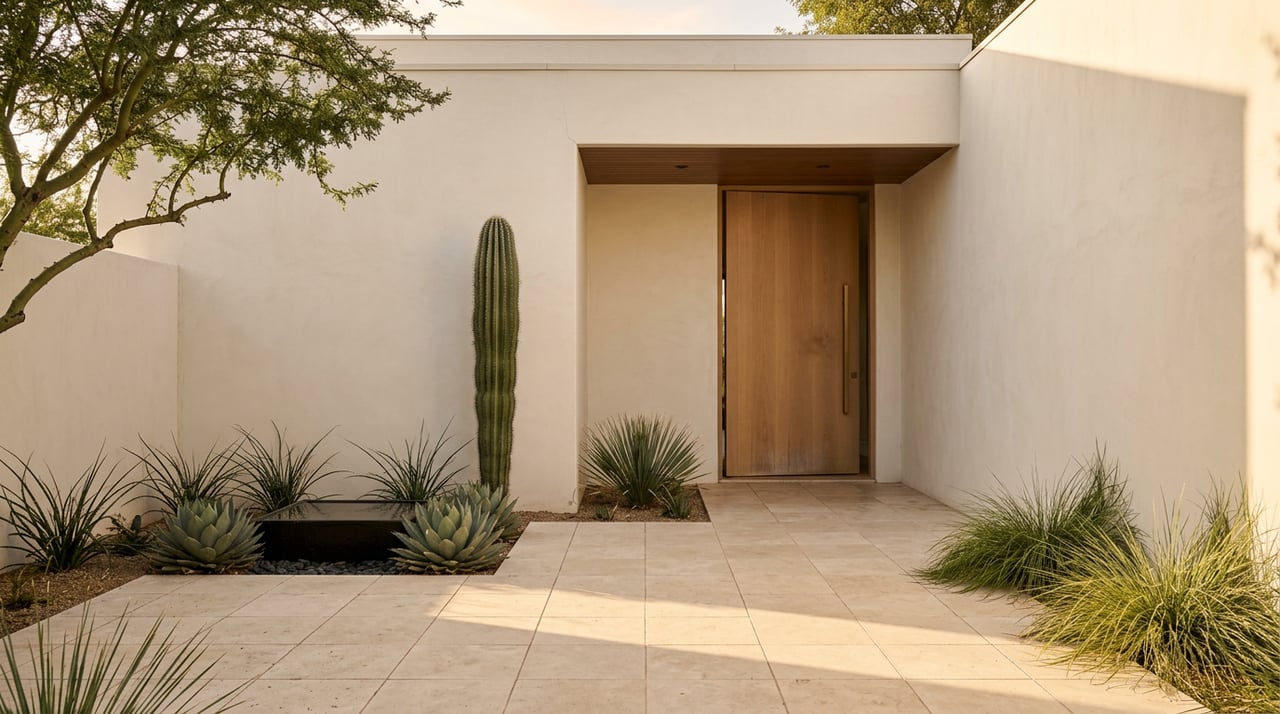
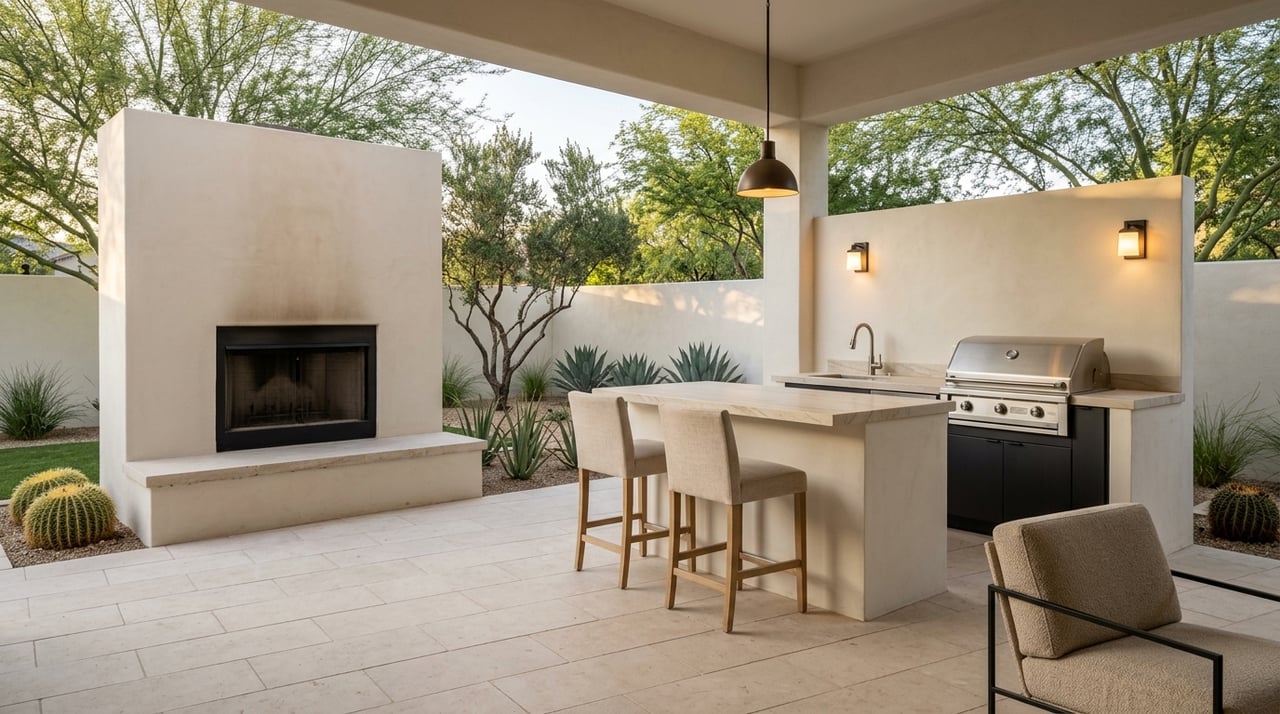
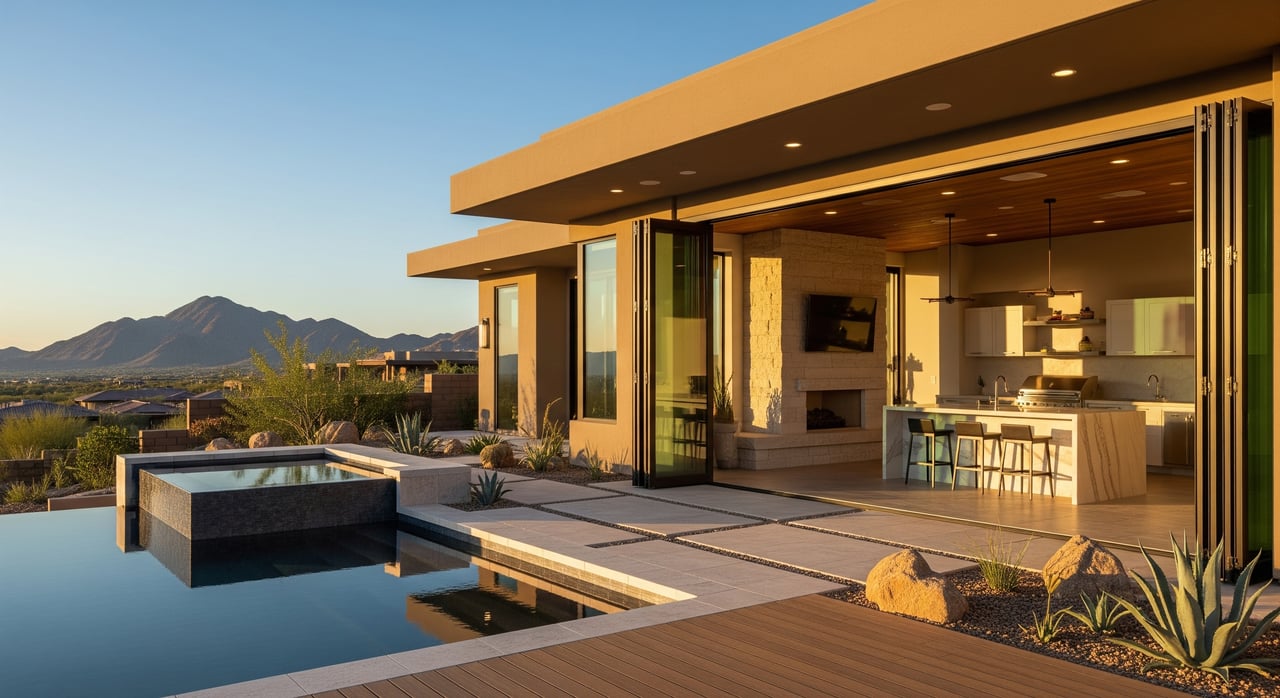
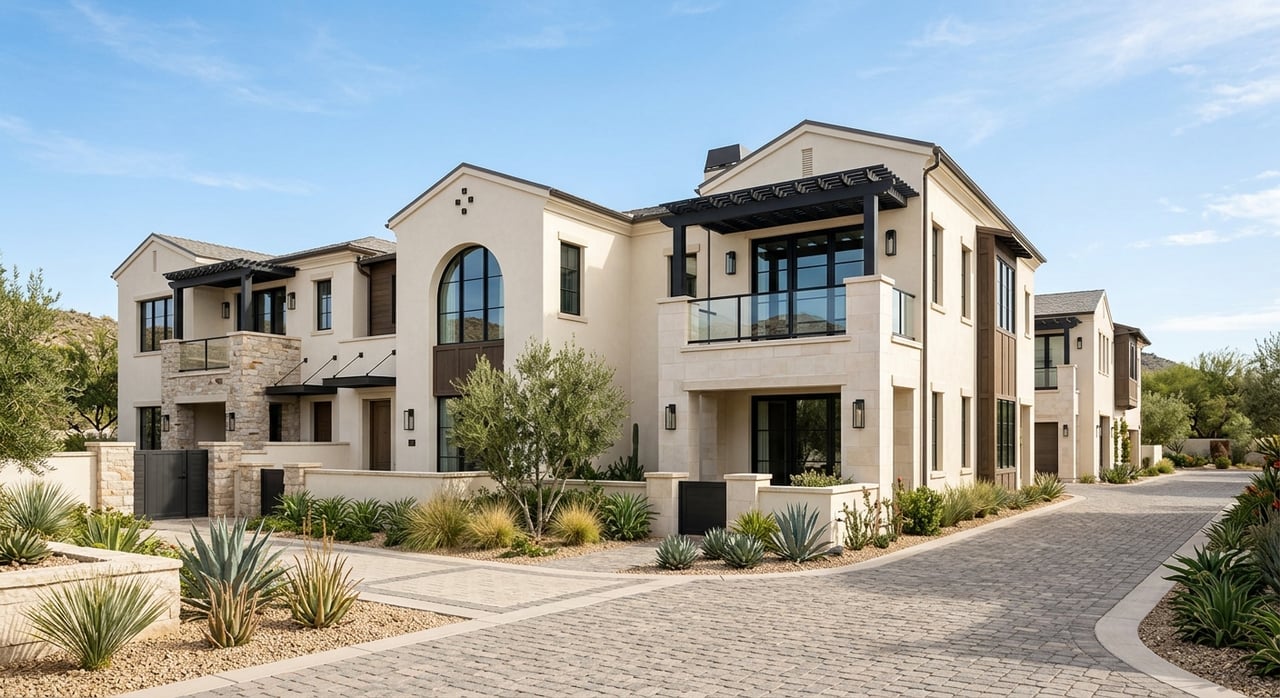
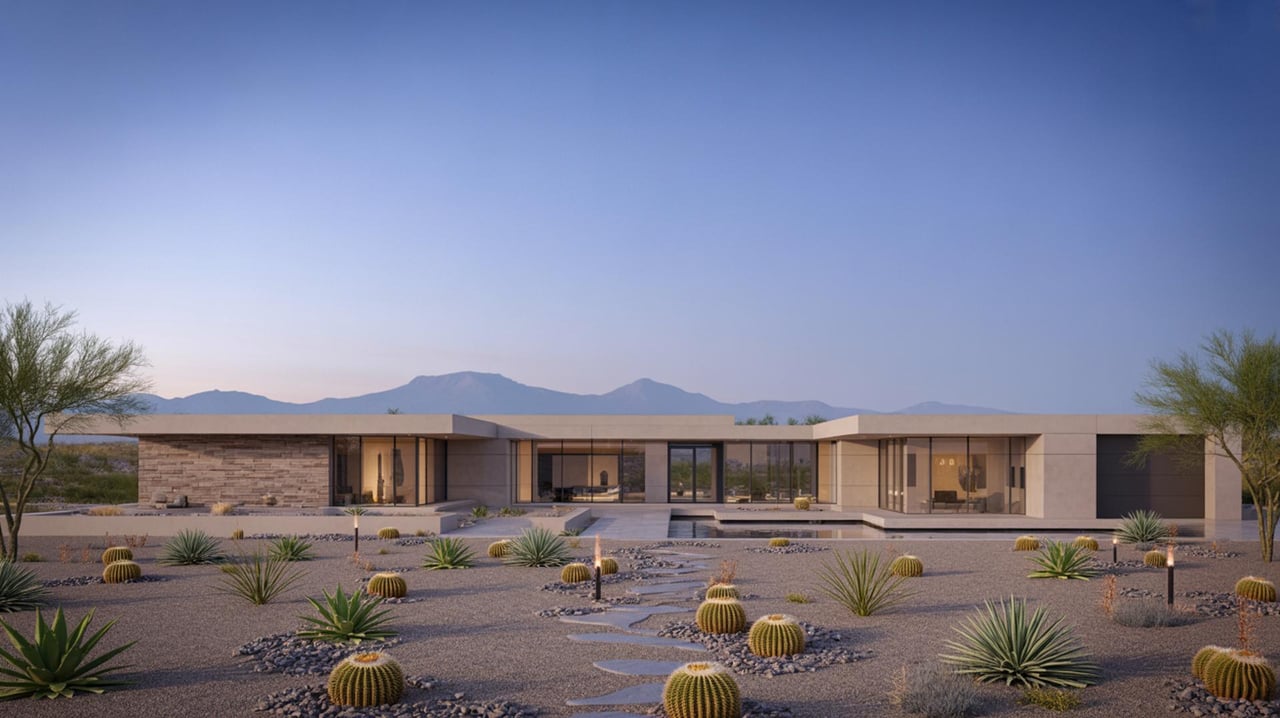
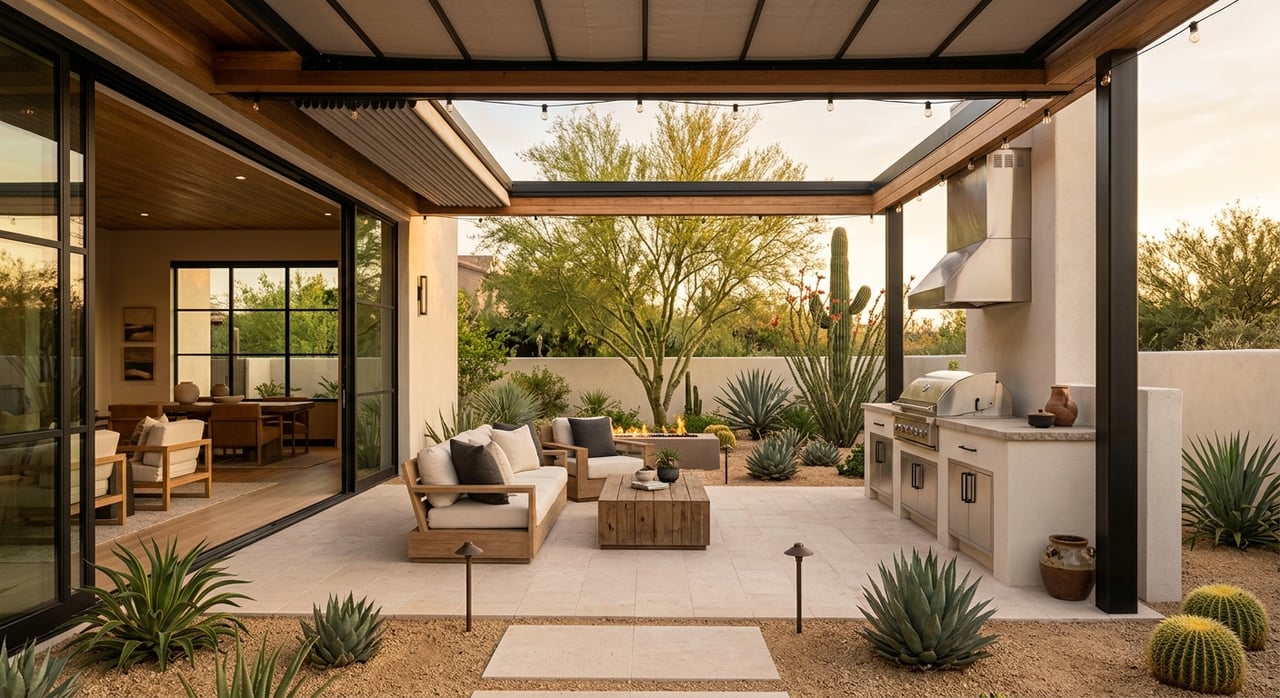
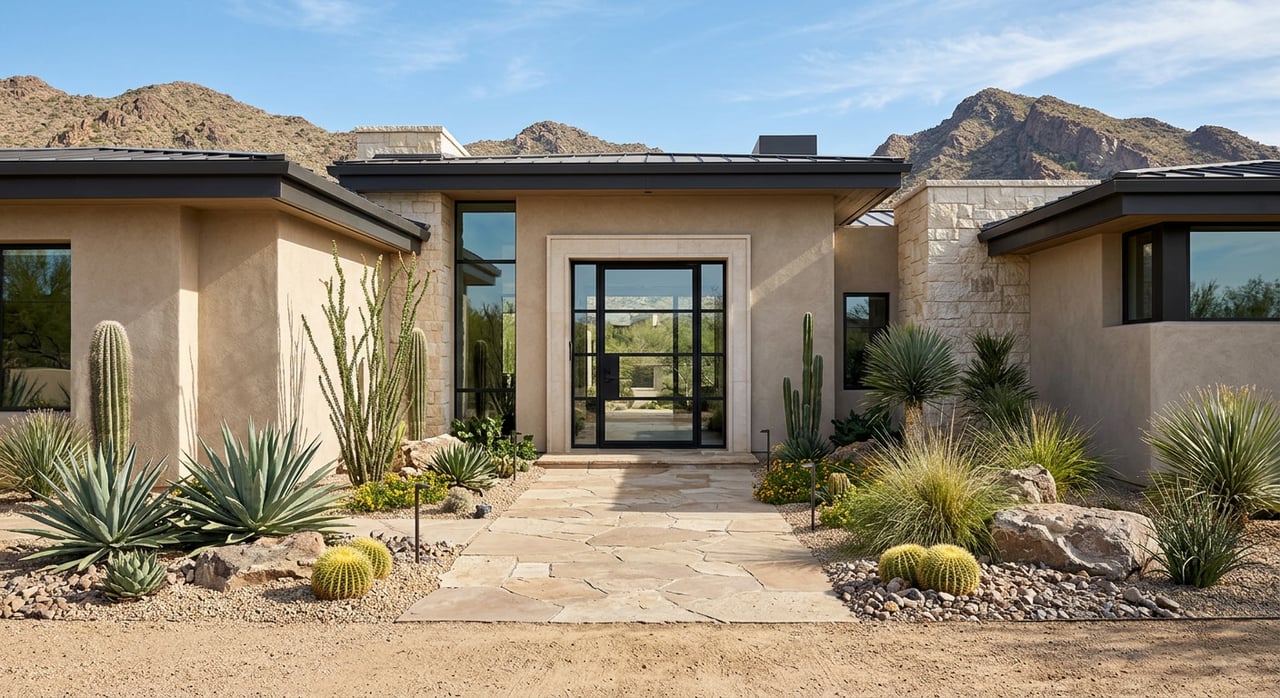
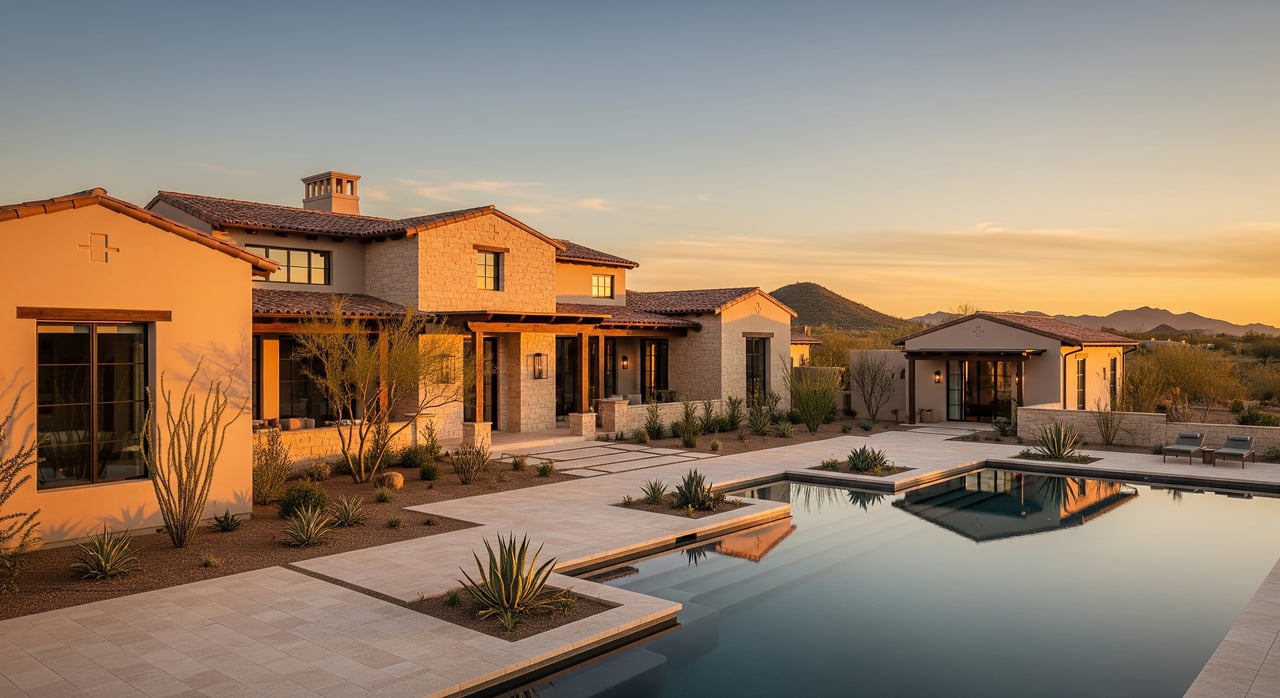
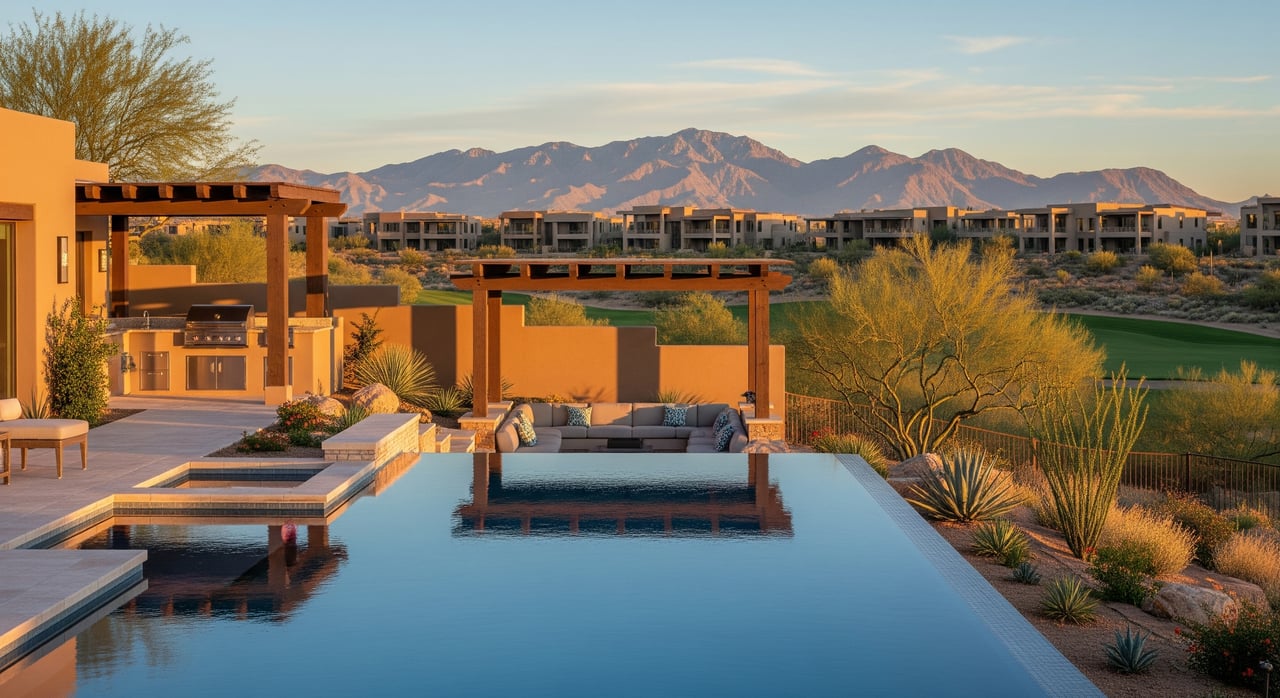
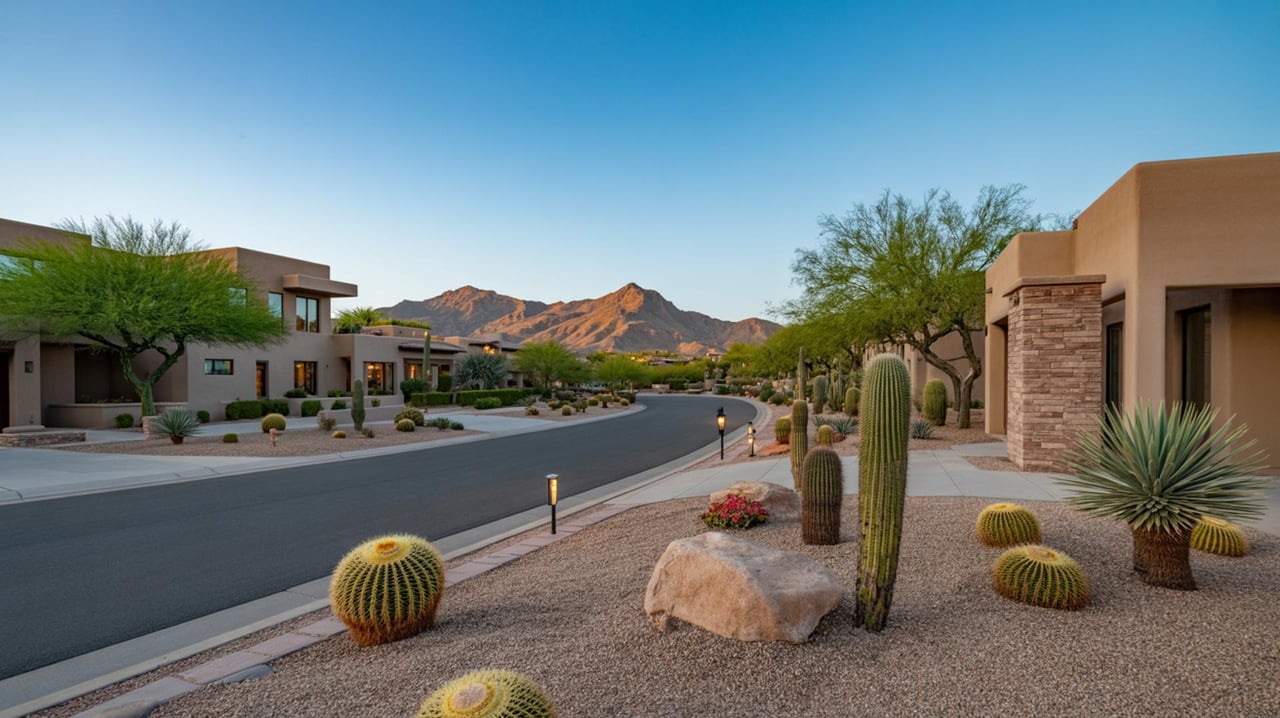
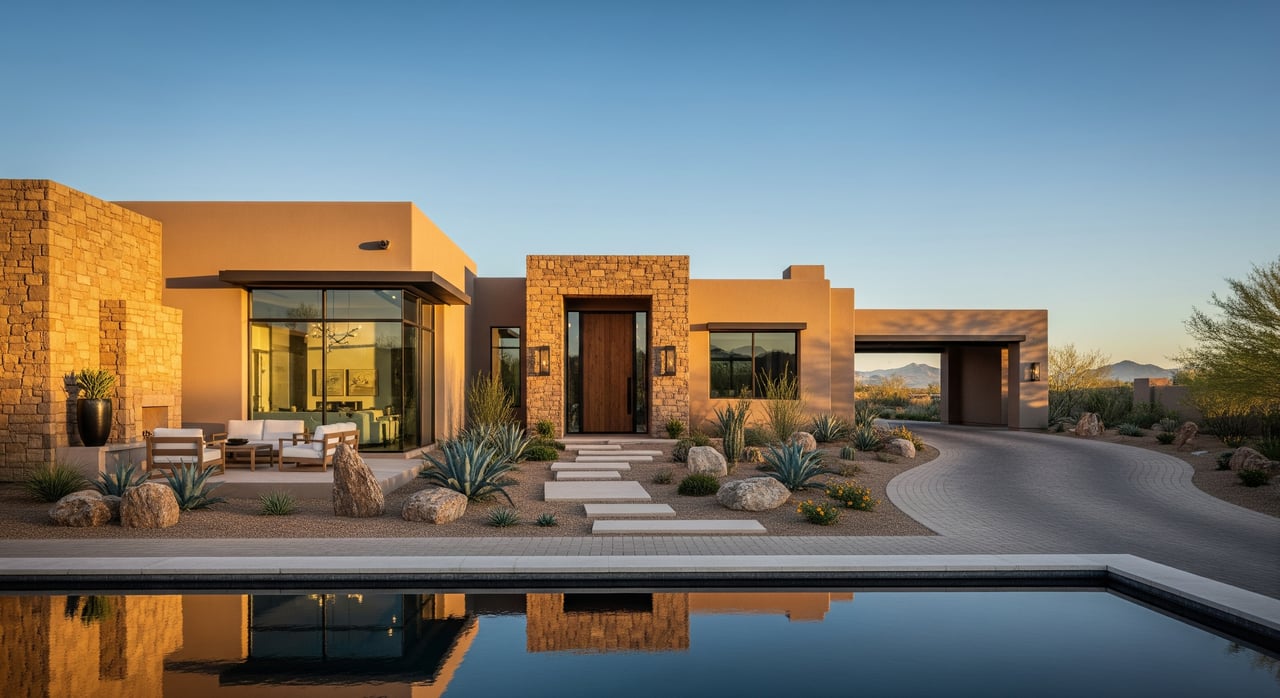
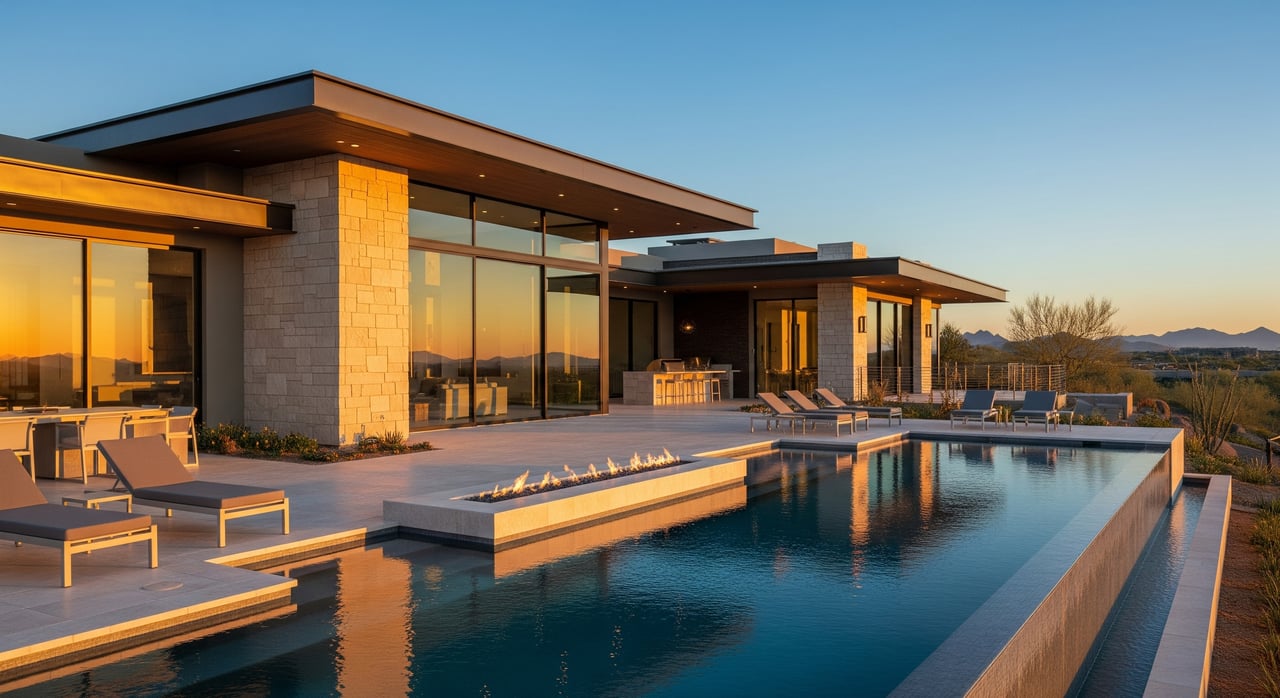
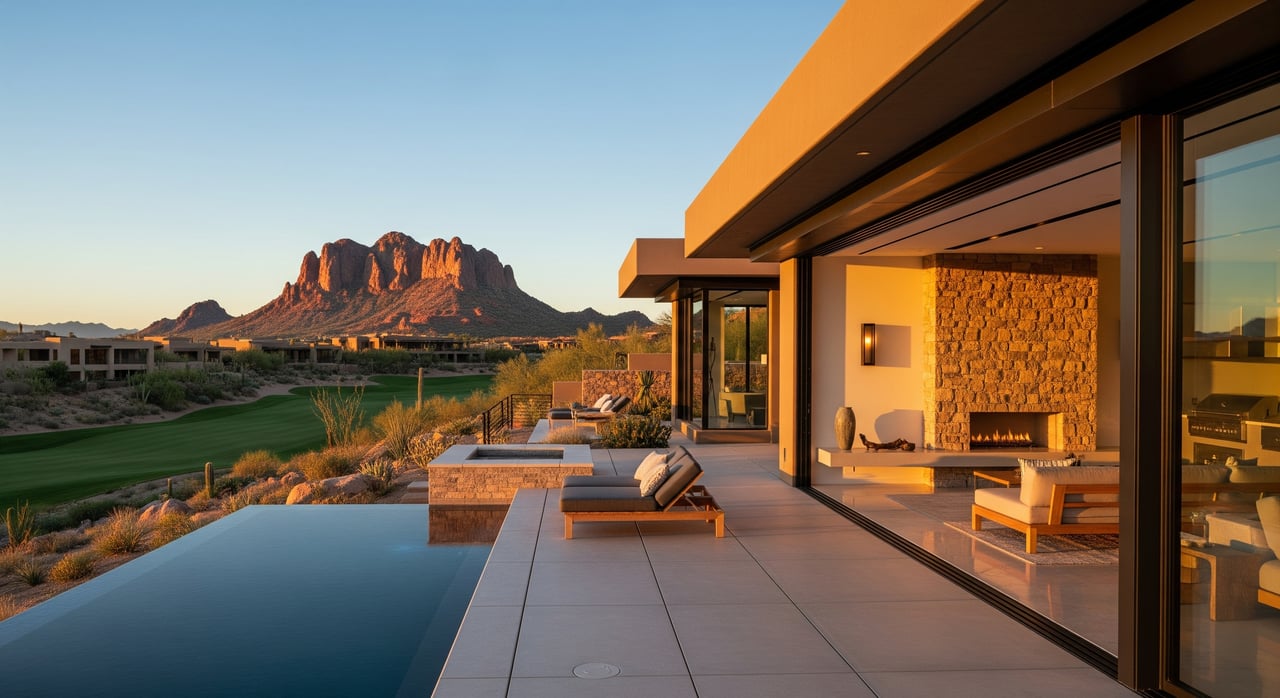
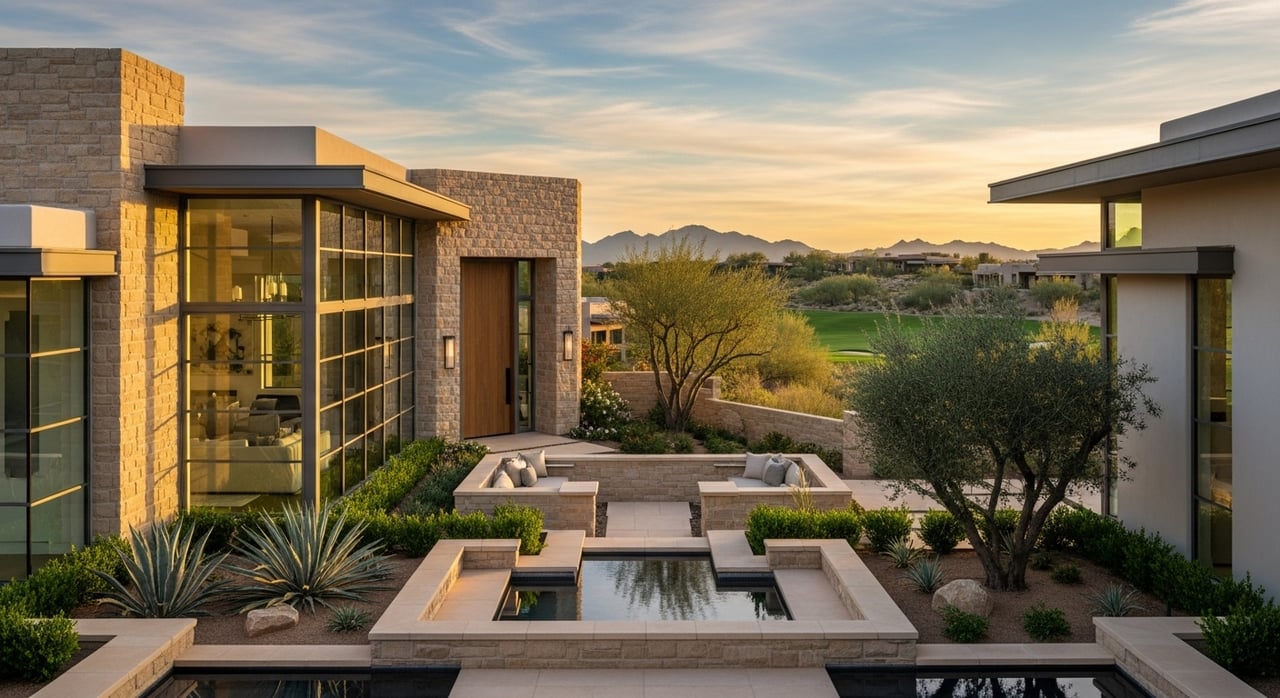
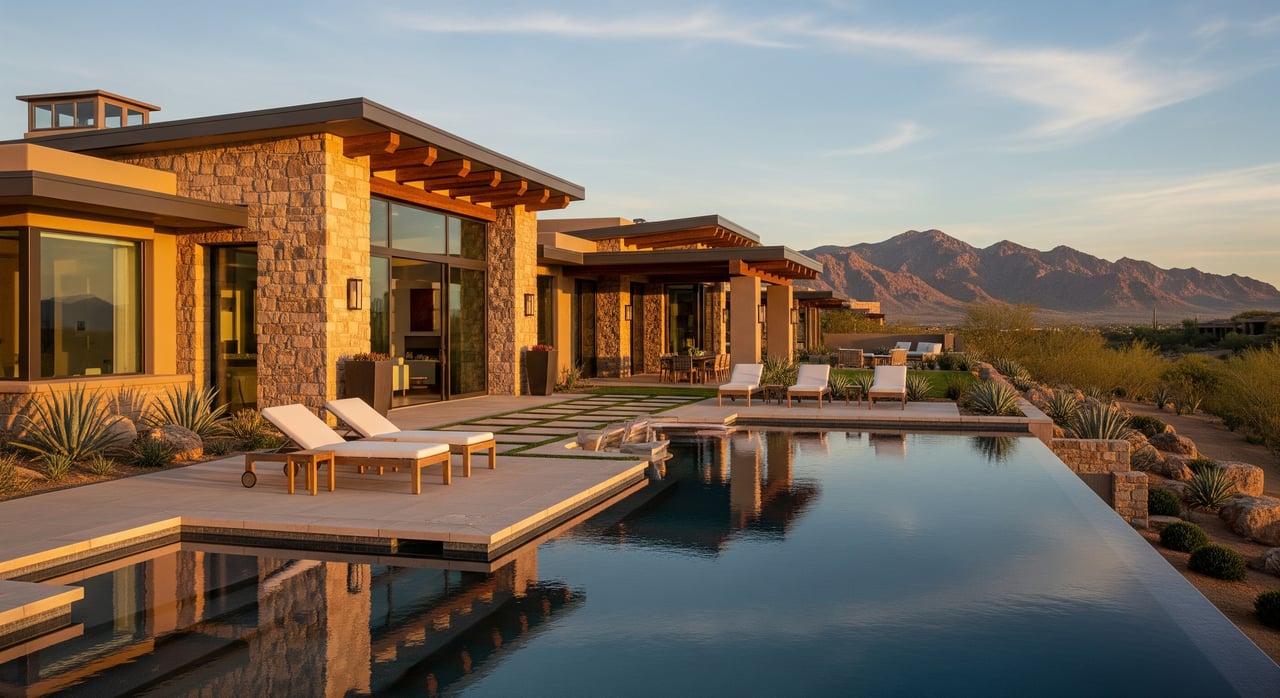
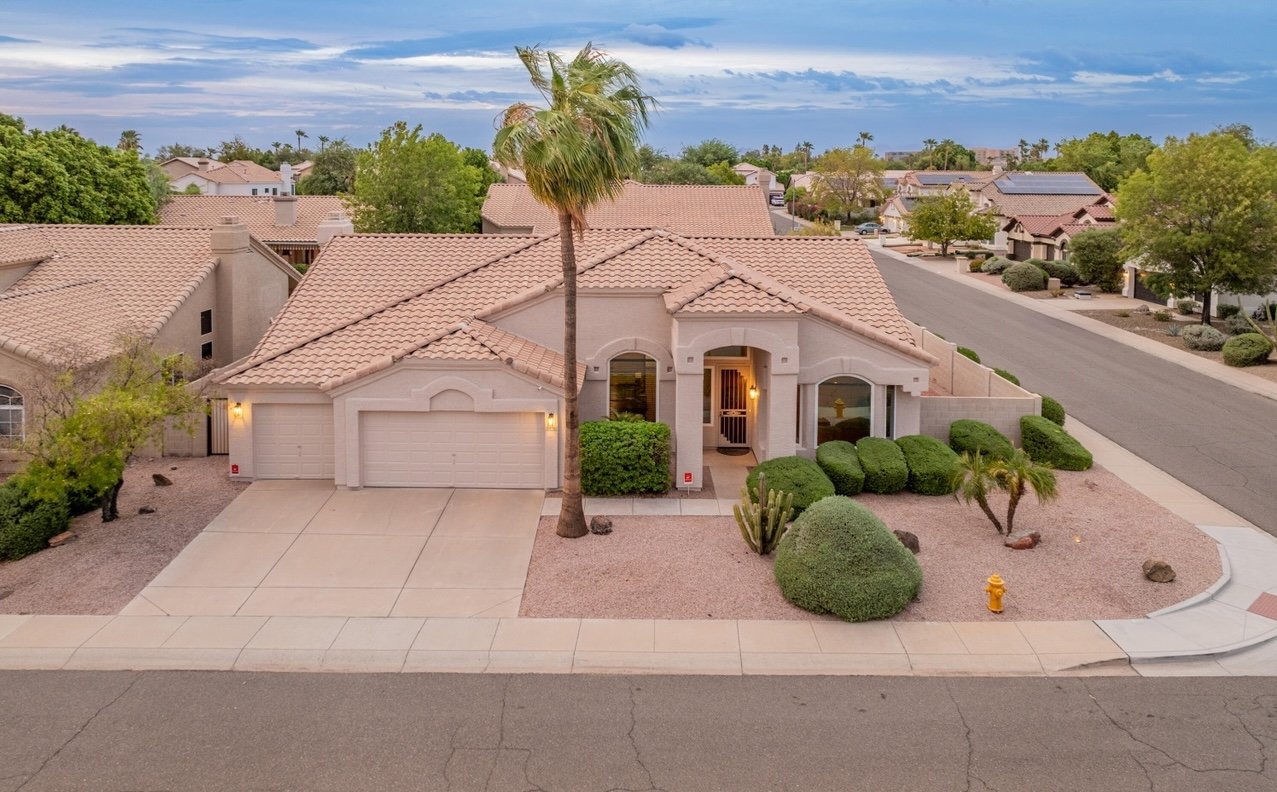
Grayhawk sits within the City of Maricopa and offers the value many renters seek compared with central Phoenix. You find mostly single-family homes, many in HOA-governed communities with pools, parks, and maintained common areas. The area draws commuters, families who want more space, and price-conscious renters.
Population and household trends shift, so confirm current figures using the U.S. Census Bureau’s QuickFacts for Maricopa city and Pinal County before you buy. You can review the latest snapshot on the U.S. Census QuickFacts for Maricopa city.
Rents and demand: what to expect
Rental rates change often. Before setting a price, pull live comps for similar single-family homes by bedroom count, square footage, age, lot size, and HOA status. Lean on MLS data and local property managers for the most accurate reads.
Tenant profiles often include families, local workers commuting to Phoenix or nearby employers, and relocating professionals seeking affordability. Demand is generally steady year-round in this part of Arizona, though you should still track local employment shifts.
Pricing strategy
Price near the core of recent single-family comps with similar features and HOA rules. Consider how lease length, furnished vs unfurnished, and whether you include utilities will influence the rent level and tenant pool. Adjust quickly if days on market exceed your assumptions.
Underwrite the numbers with discipline
Model conservative assumptions and stress-test your deal. Many suburban single-family investors use a 5 to 10 percent vacancy factor, then refine with local manager input.
Key operating expenses to include:
- Property taxes, insurance, and HOA dues
- Landscaping and irrigation, plus seasonal watering schedules
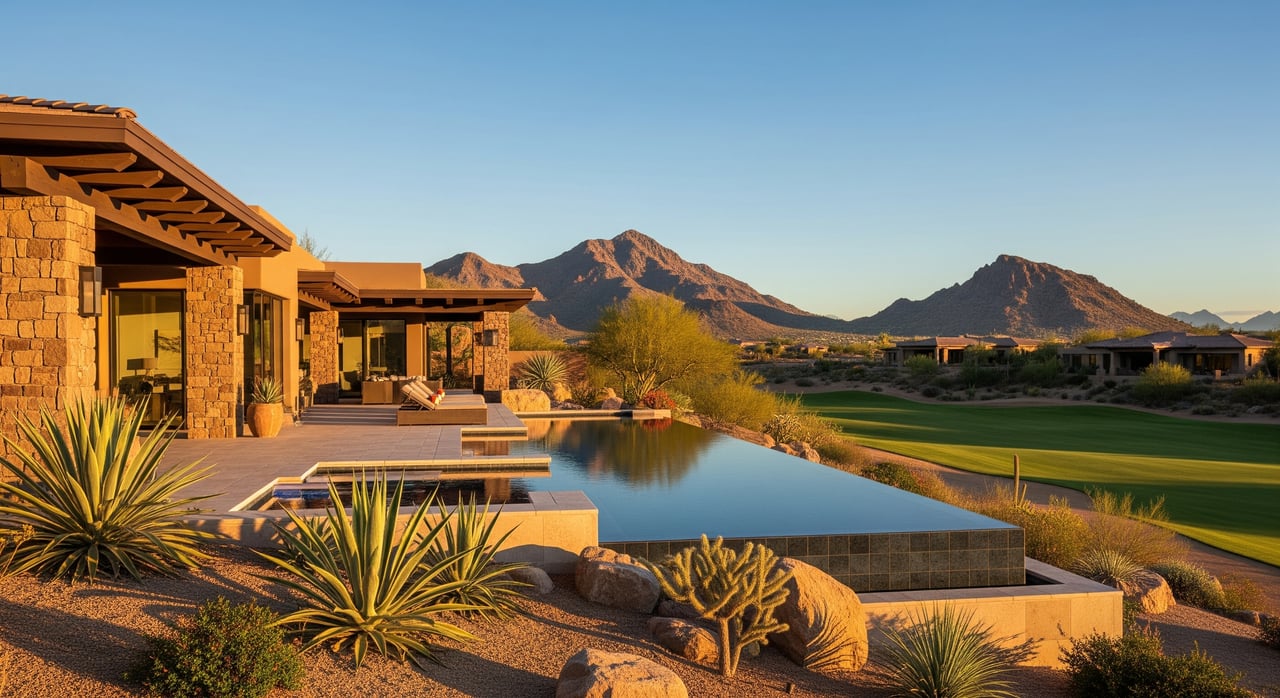
- Pool service and repairs if applicable
- Utilities paid by the landlord, if any
- Repairs and maintenance, pest control, and capital reserves
- Property management fees if you hire a manager
Track returns using metrics like gross rent multiplier, cap rate, cash-on-cash, and DSCR if you finance. Your targets will depend on risk tolerance, property condition, and financing terms. Revisit your pro forma after inspection results and HOA review.
Laws and local rules to know
You will operate under state law, city rules, and HOA documents. Align your lease and processes to all three.
Arizona landlord–tenant basics
Arizona’s landlord–tenant framework lives in Arizona Revised Statutes Title 33. Review guidance on security deposits, required disclosures, notices for nonpayment or lease violations, and eviction procedures. Because statutes and forms change, confirm current requirements before enforcing timelines or notice language.
City of Maricopa compliance
Check the City of Maricopa for any rental business licensing, short-term rental rules, and property maintenance standards. You can confirm current ordinances and contacts on the City of Maricopa official website. If you plan to operate a short-term rental, verify registration, taxes, and occupancy limits before you purchase.
HOA rules, CC&Rs, and rental limits
Many Grayhawk homes sit within HOAs. Obtain and study the CC&Rs, bylaws, and any rental policy. HOAs may set minimum lease terms, require tenant registration, limit total rentals, or enforce rules on parking, pets, and common-area use. Note any transfer fees or rental registration fees that affect cash flow.
Short-term rentals
If you are considering a vacation-rental strategy, confirm that the HOA permits short-term stays and whether the city requires registration or safety measures. Some HOAs restrict or prohibit short-term rentals even when a city allows them. Build compliance steps into your operations plan.
Run smart, desert-ready operations
Maintenance priorities
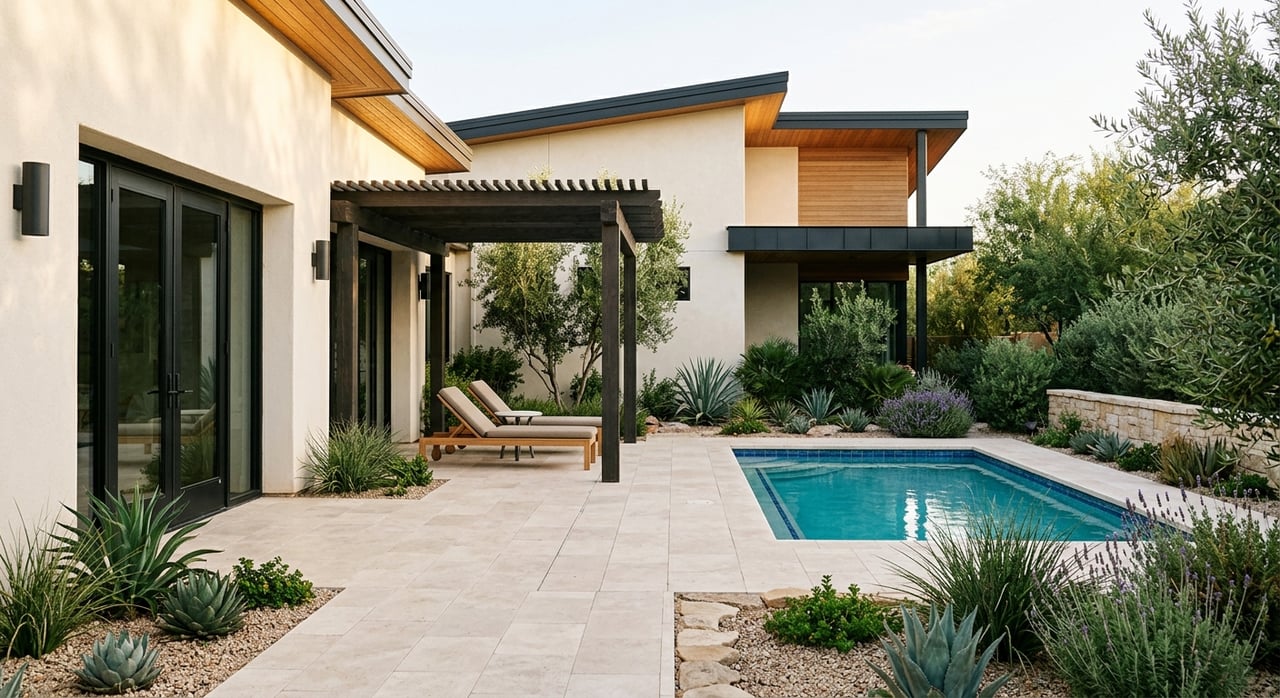
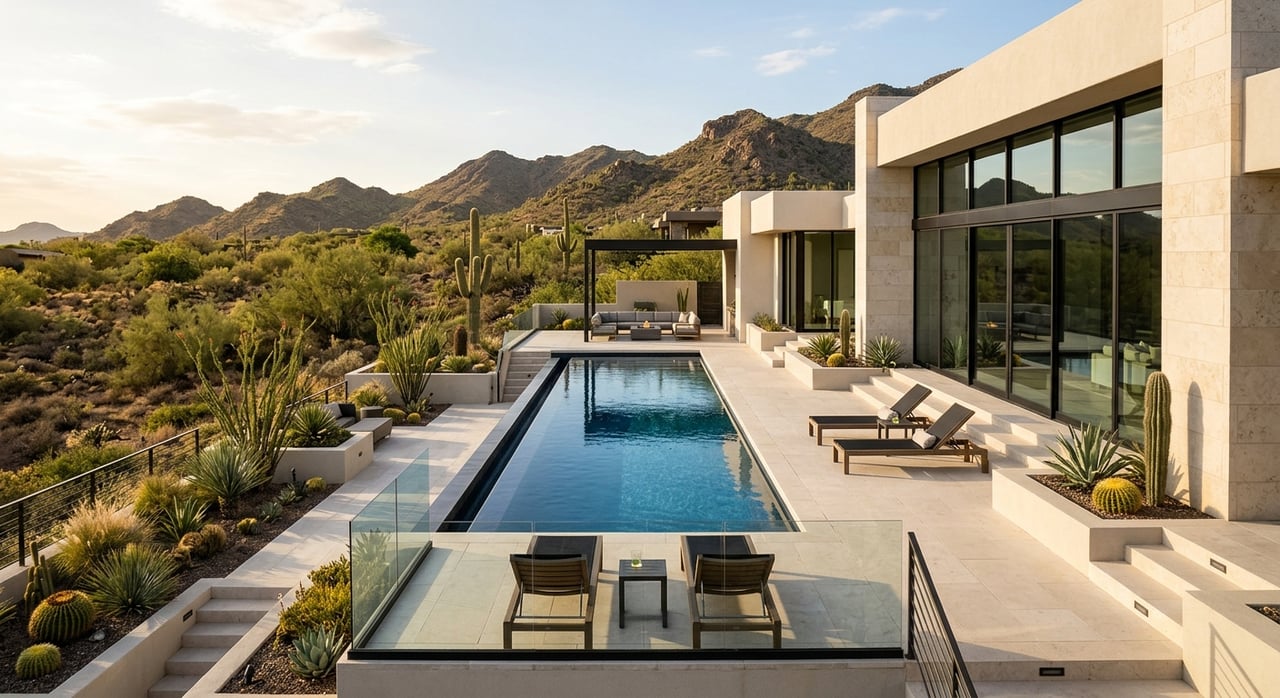
The desert climate rewards proactive care. Schedule regular HVAC servicing and plan for mid-life replacements. Manage irrigation to control costs and protect landscaping. Budget for exterior paint and materials that degrade under intense sun, plus ongoing pest control for termites, scorpions, and ants. If there is a pool, line-item weekly service and equipment repairs.
Insurance, utilities, and taxes
A landlord policy should include dwelling coverage, liability, and loss of rents. Review HOA master policy limits so you address any coverage gaps. Clarify in the lease which utilities the tenant pays, including irrigation and trash, since utility responsibility affects rent tolerance.
For taxes, review parcel history and assessments with the Pinal County Assessor. Use current tax data in your pro forma and watch for reassessment impacts after purchase.
Management and leasing best practices
Screening and compliance
Adopt a consistent screening process that includes credit, income and employment verification, rental history, and a lawful background check. Follow federal and state fair housing and privacy laws. Document your criteria and apply them uniformly.
Lease terms to define
Use an Arizona-compliant lease that aligns with HOA rules. Define repair responsibilities, landscaping and irrigation schedules, pool safety and fencing obligations, pets, subletting, and alterations. Provide required disclosures, including lead-based paint for homes built before 1978.
Planning for delinquencies
The eviction process is statutory and can take weeks to months depending on circumstances and court timelines. Establish clear rent-collection and cure notice policies, and work with local counsel for complex cases.
Due diligence checklist
Before acquisition
- Pull a full rent roll and lease copies if the property is already rented
- Review recent maintenance records, inspection reports, and warranties
- Order a comprehensive home inspection, plus HVAC, roof, electrical, plumbing, and pool equipment checks
- Obtain pest and termite inspections
- Request HOA CC&Rs, bylaws, rental policies, meeting minutes, reserves, and financials
- Review the title report, deed restrictions, and easements
- Get insurance quotes and property tax history
- Compile 12 months of rental comps from MLS and local managers
- Underwrite with conservative rent and vacancy, add HOA dues, management fees, utilities, insurance, and a capital reserve; stress-test for longer vacancy and higher repairs
After acquisition
- Register with the City of Maricopa if required and secure any needed licenses
- Execute an Arizona-compliant lease and provide all required disclosures
- Deliver HOA rules to the tenant and document acknowledgment of CC&Rs
- Set up property management or internal systems for maintenance and emergency response
- Establish bookkeeping, separate accounts for deposits, and statutory handling per Arizona law
What to do next
If Grayhawk fits your portfolio strategy, start with comps, HOA verification, and a realistic expense model. The strongest outcomes come from pairing precise underwriting with clear compliance and a maintenance plan suited to the desert. When you are ready for a private, data-backed review of your strategy, connect with The Macklin Group for local guidance and a tailored valuation.
FAQs
What are typical rents for Grayhawk single-family homes?
- Rents change frequently and depend on size, age, features, and HOA rules; pull current comps from MLS and local managers before pricing and adjust if days on market run long.
How do HOA rules affect leasing in Grayhawk?
- HOA CC&Rs can set minimum lease terms, require tenant registration, limit rental counts, and add fees, which directly impact cash flow and operations.
Are short-term rentals allowed in Grayhawk?
- You must confirm both the HOA’s rules and the City of Maricopa’s requirements, since some HOAs restrict or prohibit short-term rentals even if the city allows them.
What expense surprises should I expect in the desert?
- Common surprises include higher HVAC servicing or replacement, pool maintenance, irrigation costs, exterior sun-related upkeep, and HOA assessments or fees.
How long does eviction take in Arizona?
- Arizona sets the process by statute, and timelines vary by case and court schedules; plan for a process that can take weeks to months and consult local counsel.
Who should pay utilities in a Grayhawk rental?
- It depends on your strategy and comps; define responsibilities clearly in the lease, including irrigation and trash, since utility responsibility affects achievable rent.