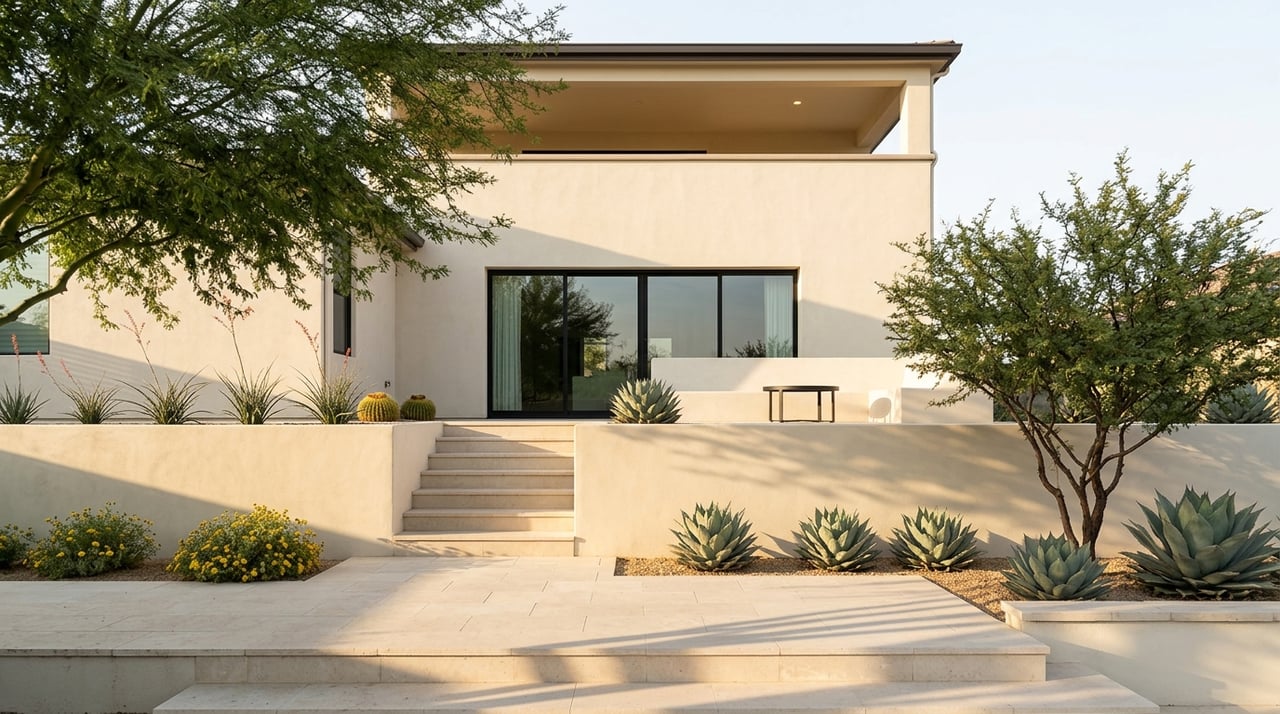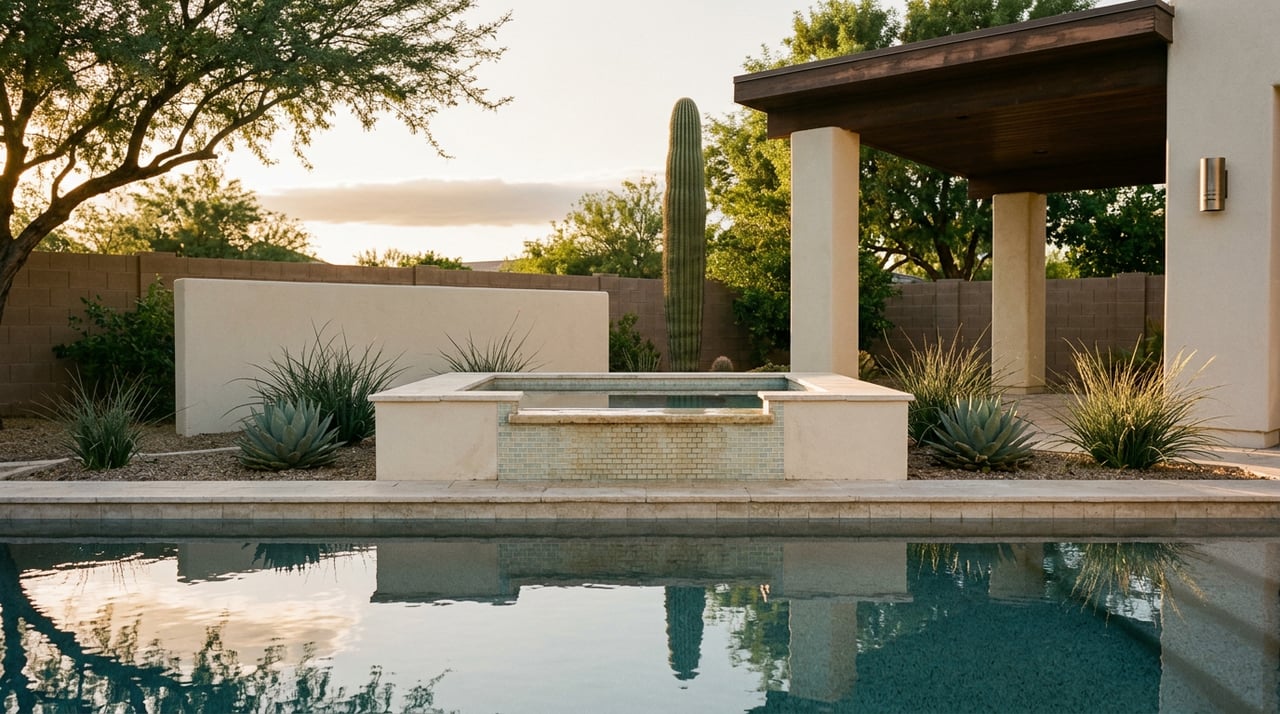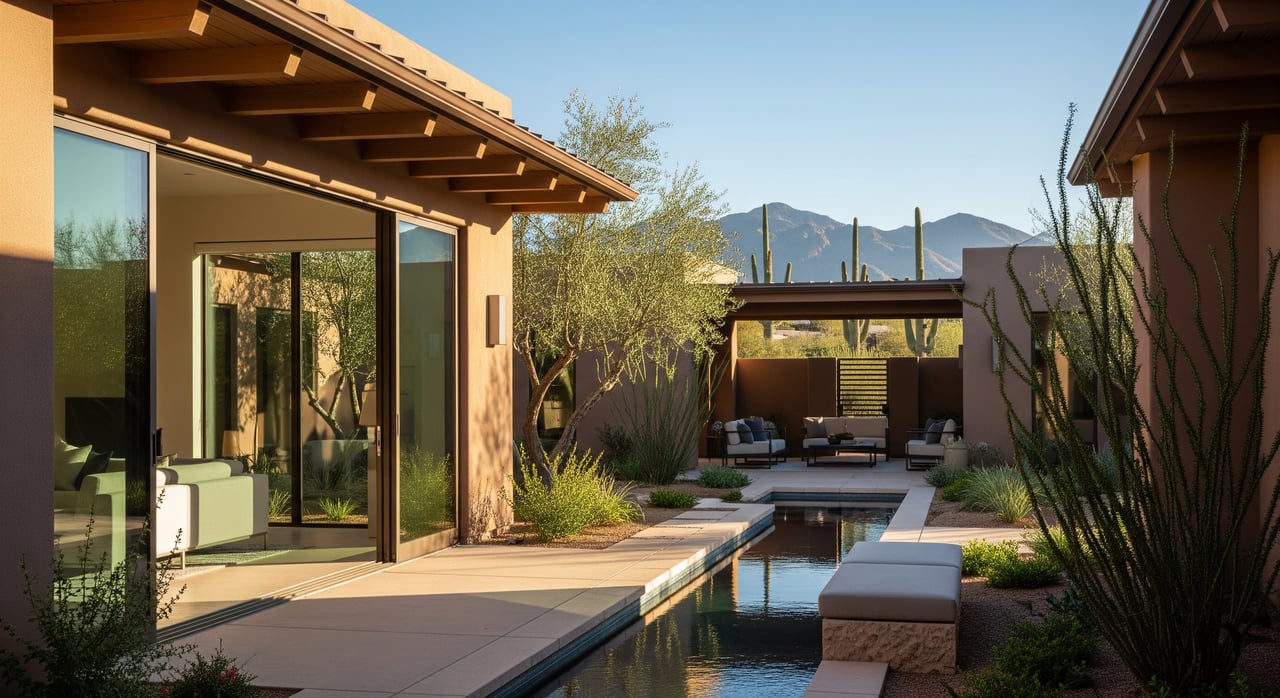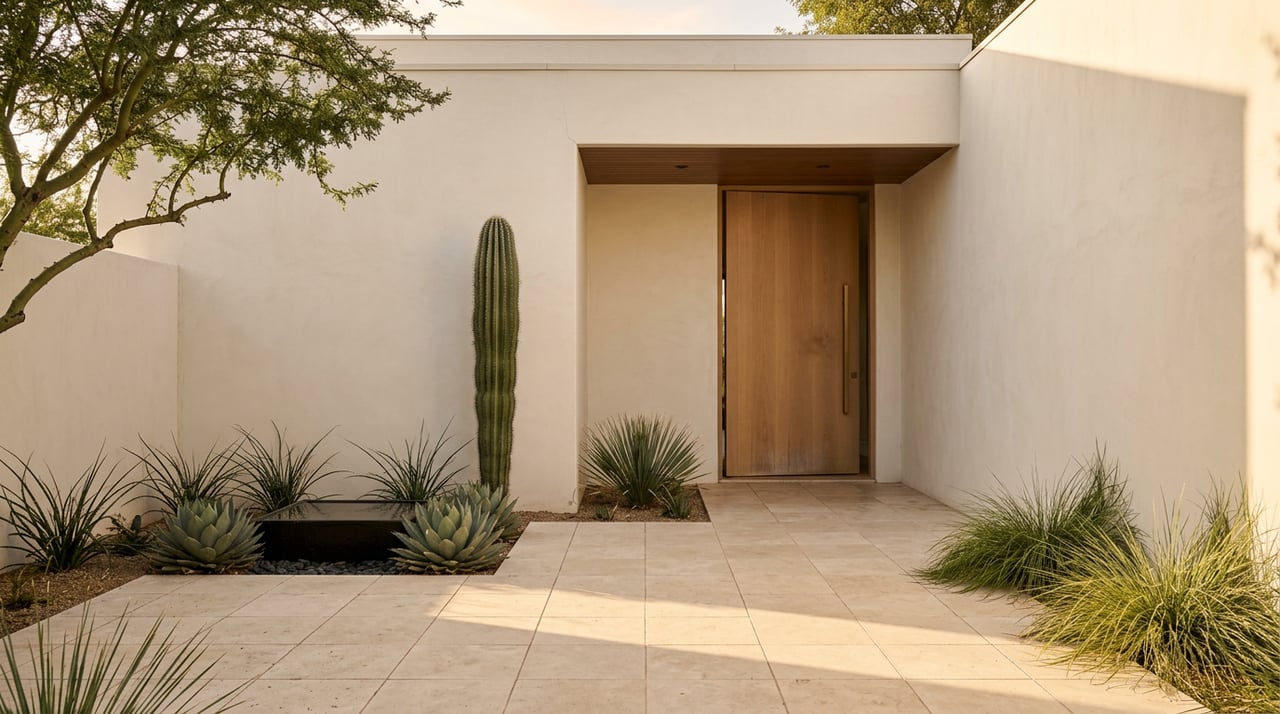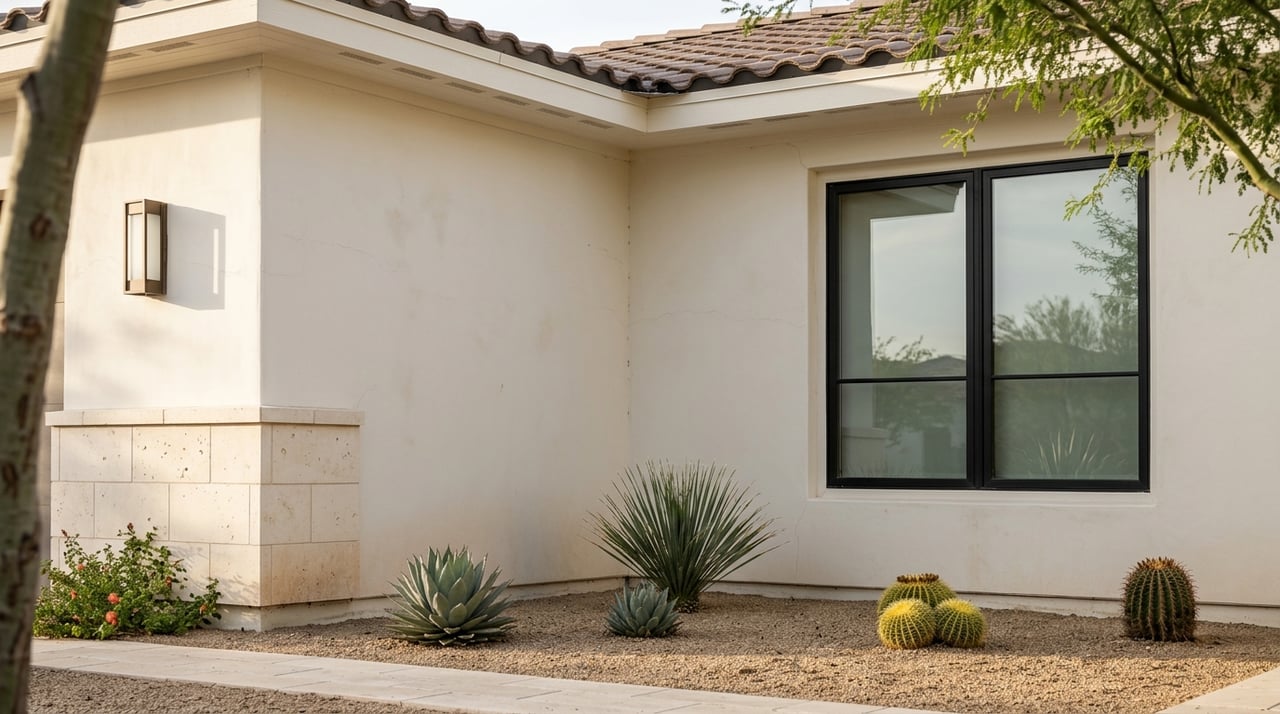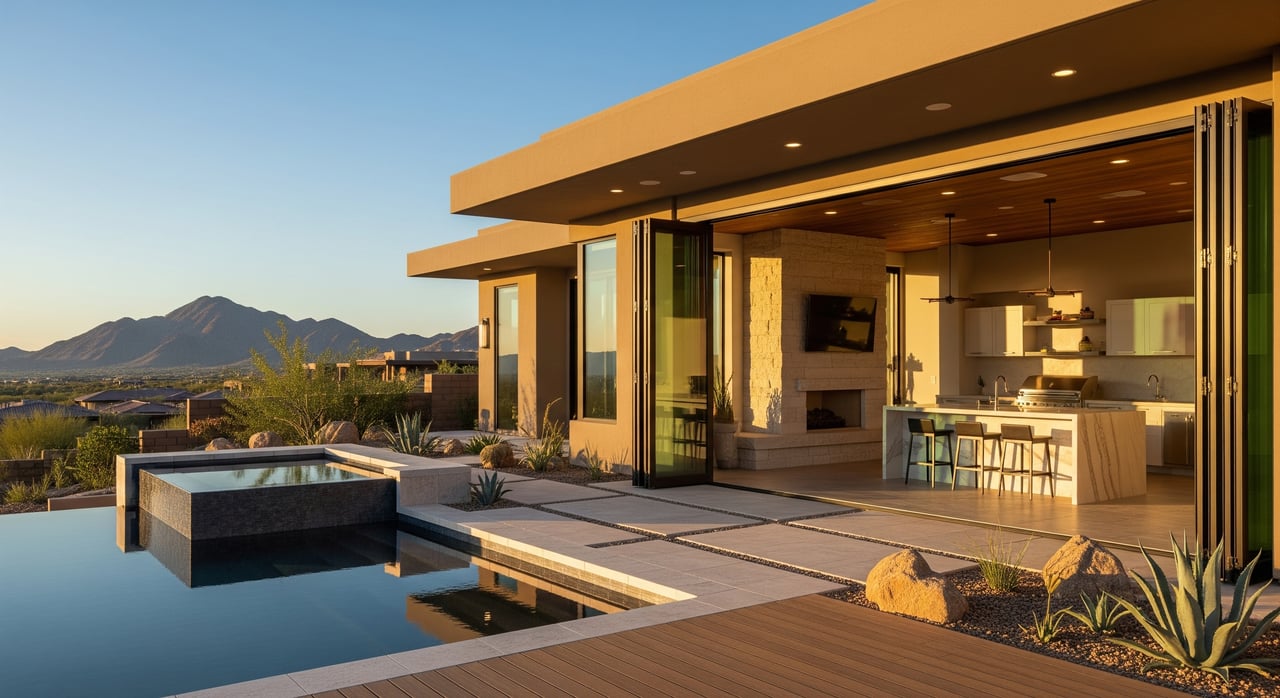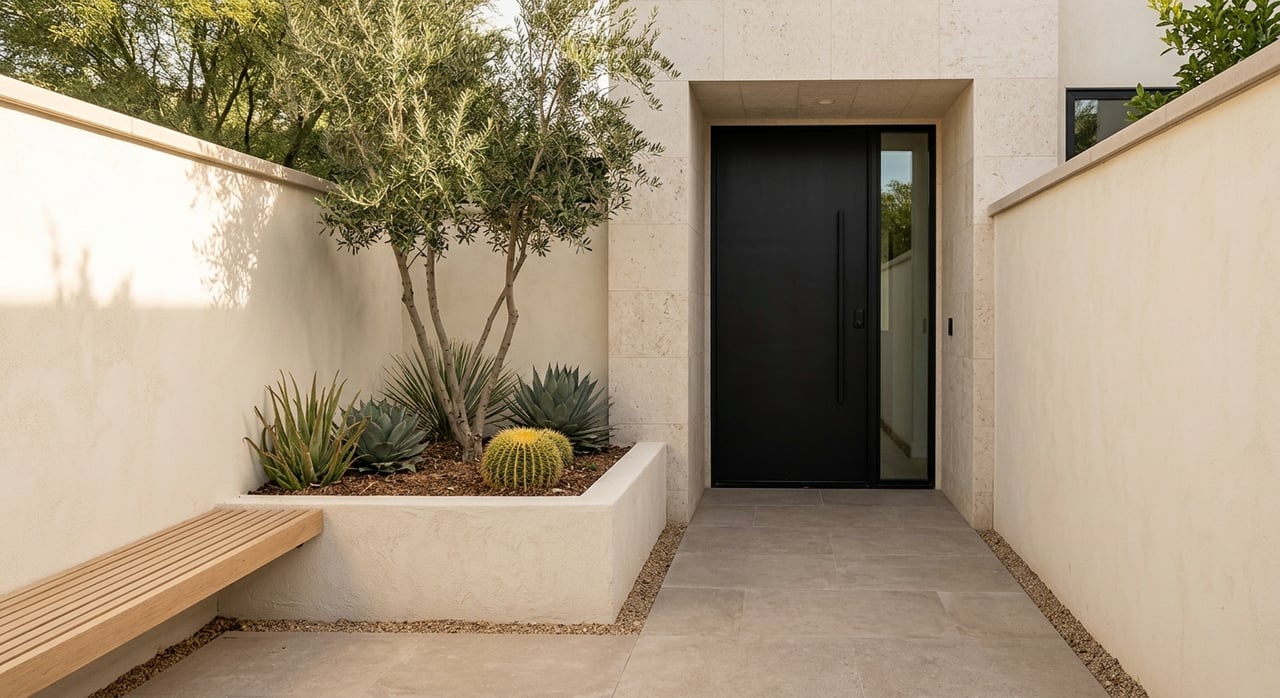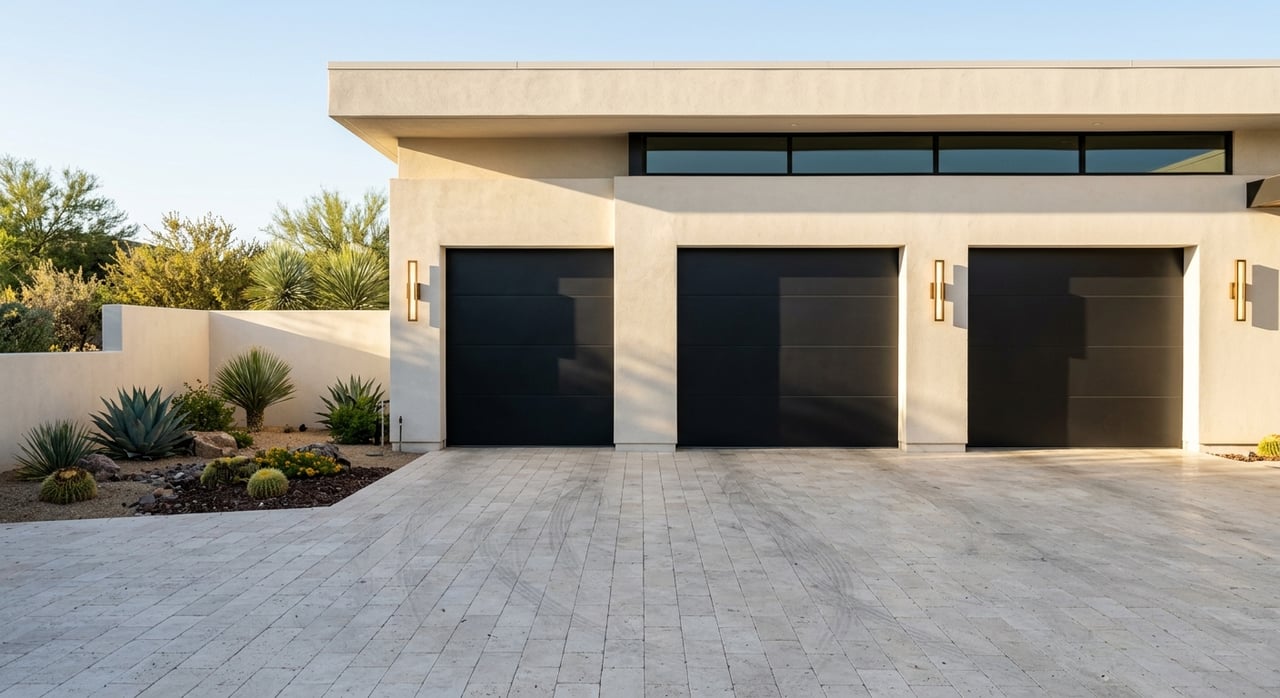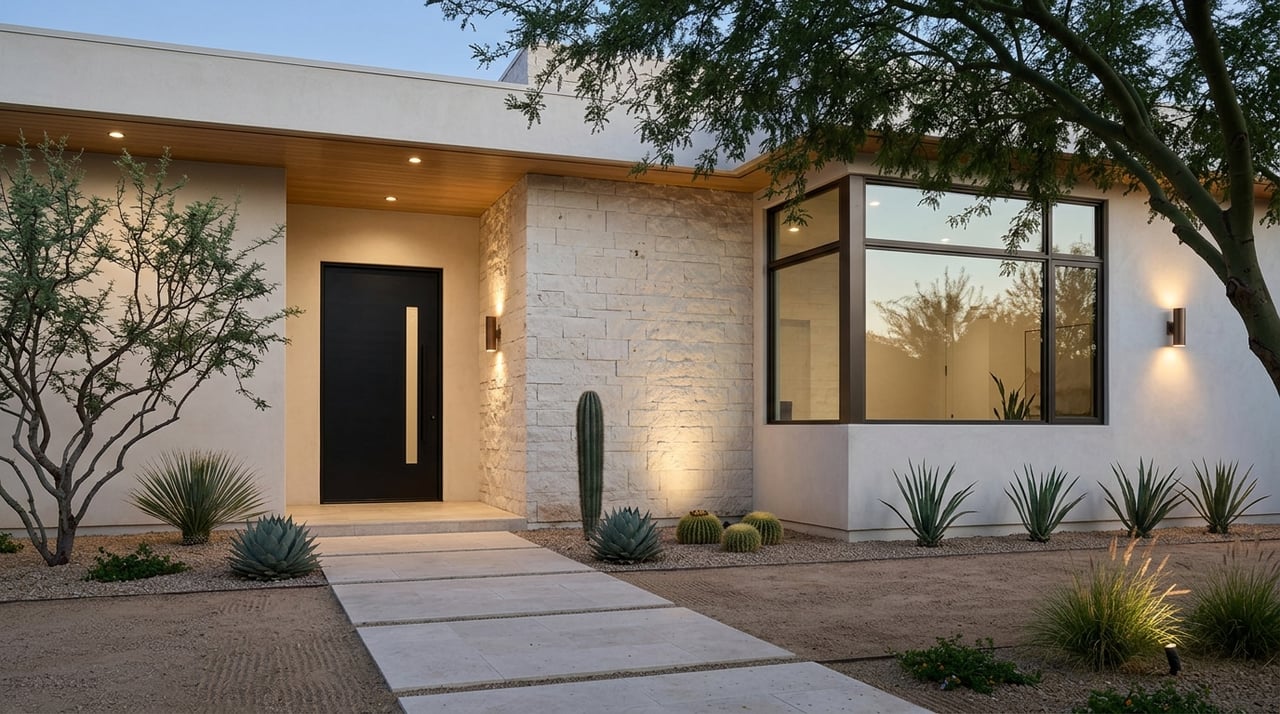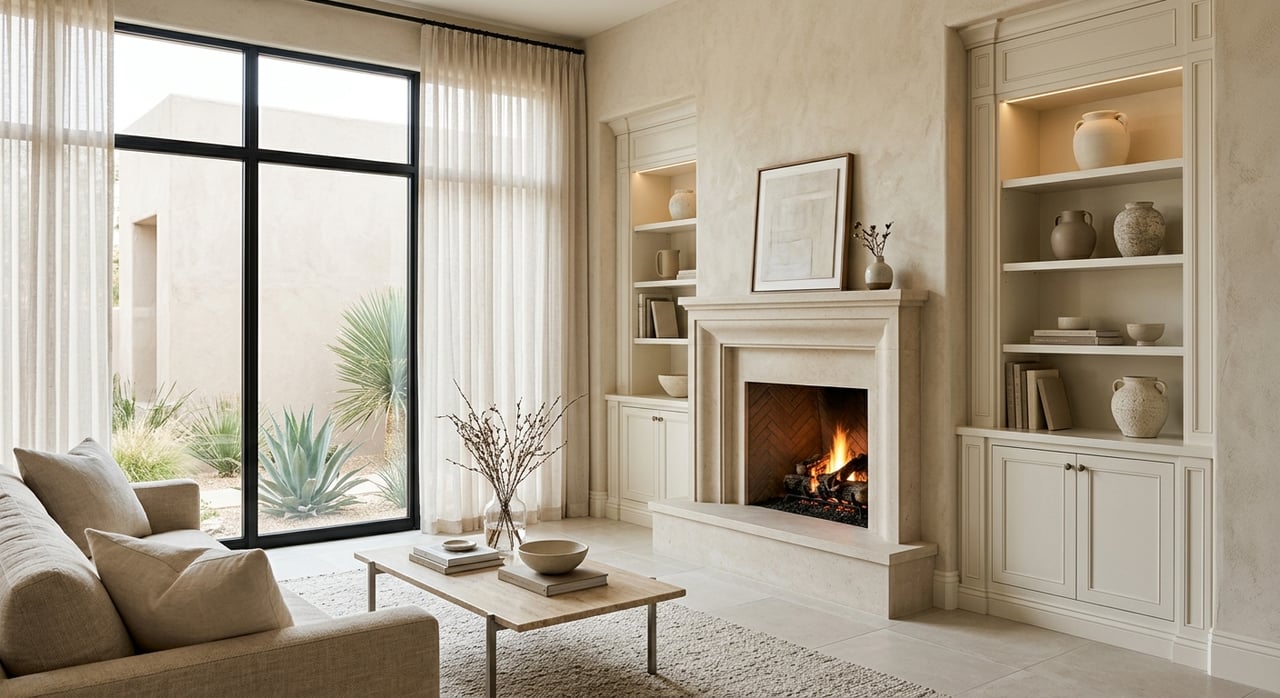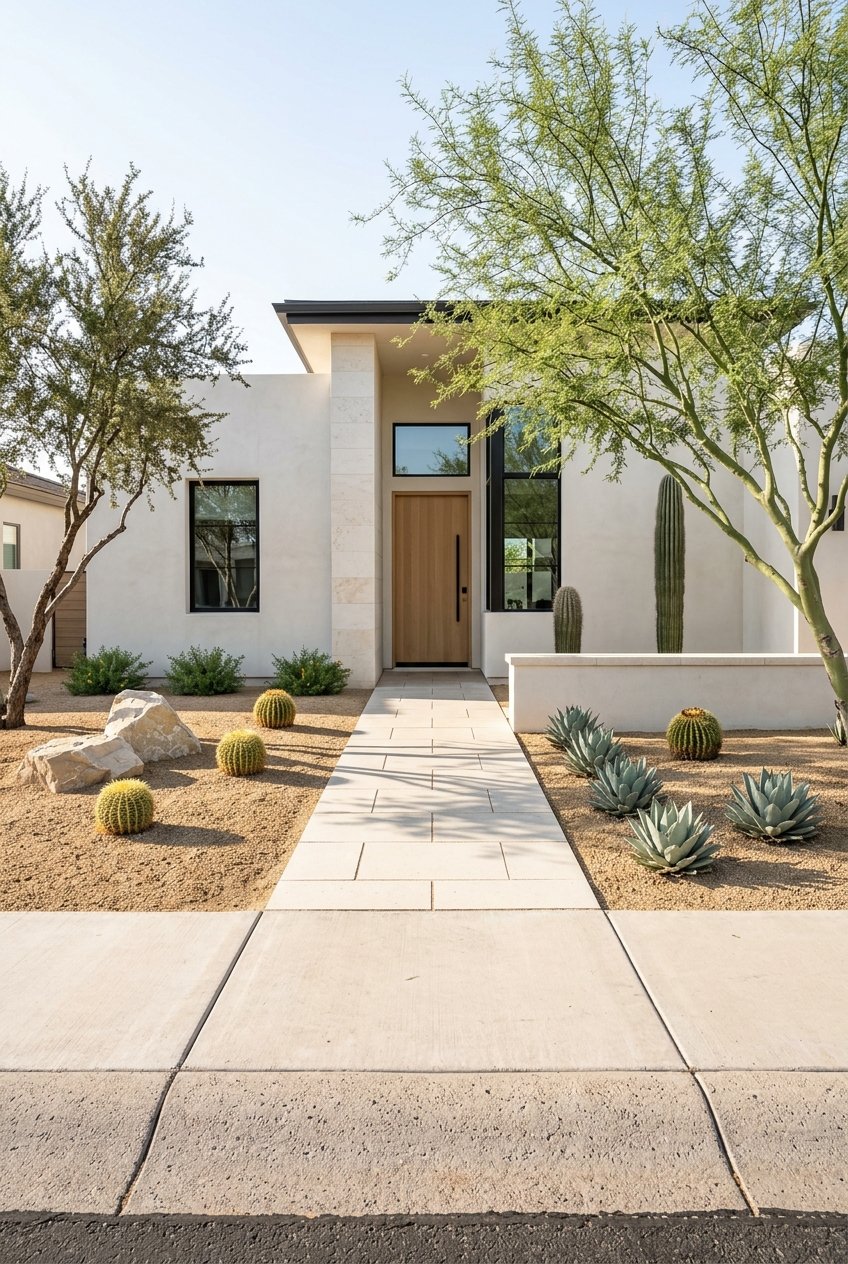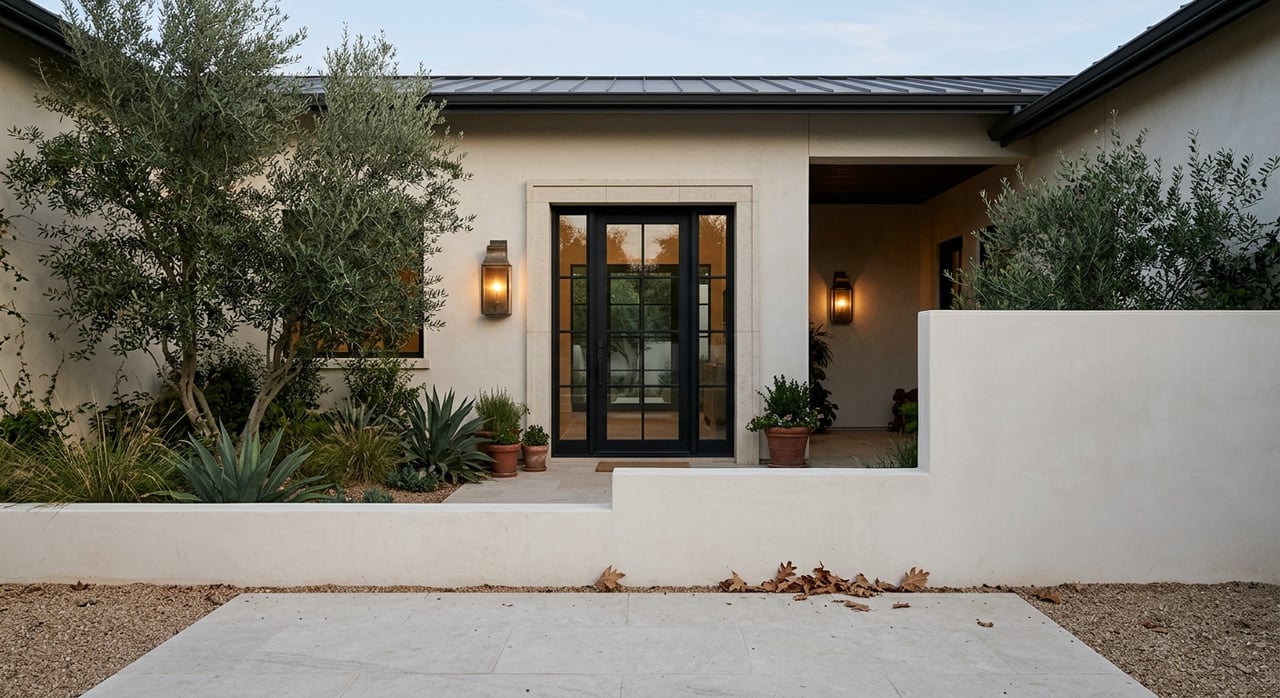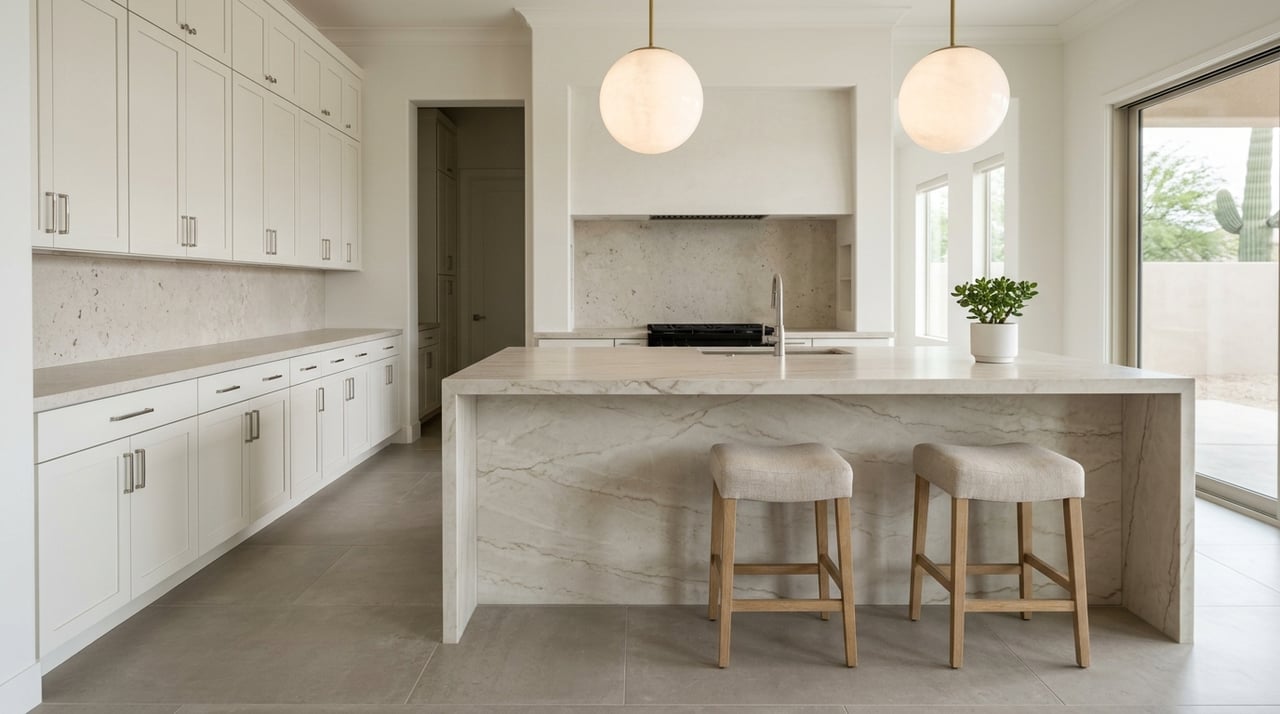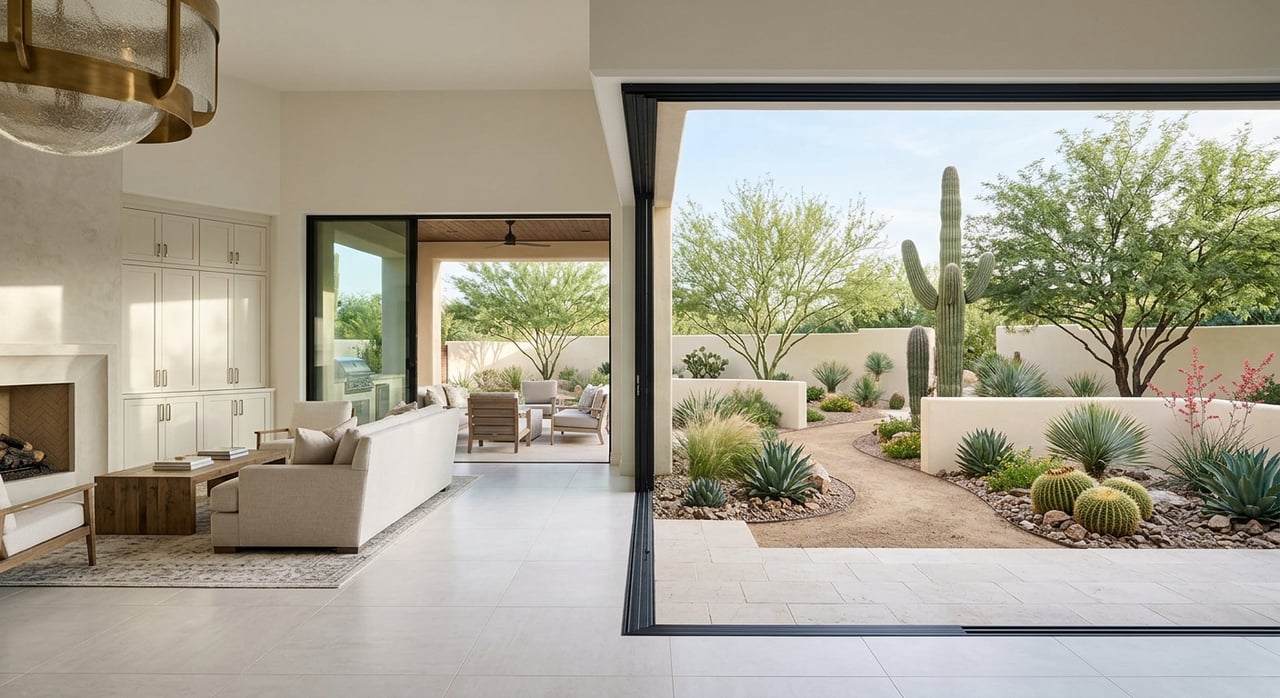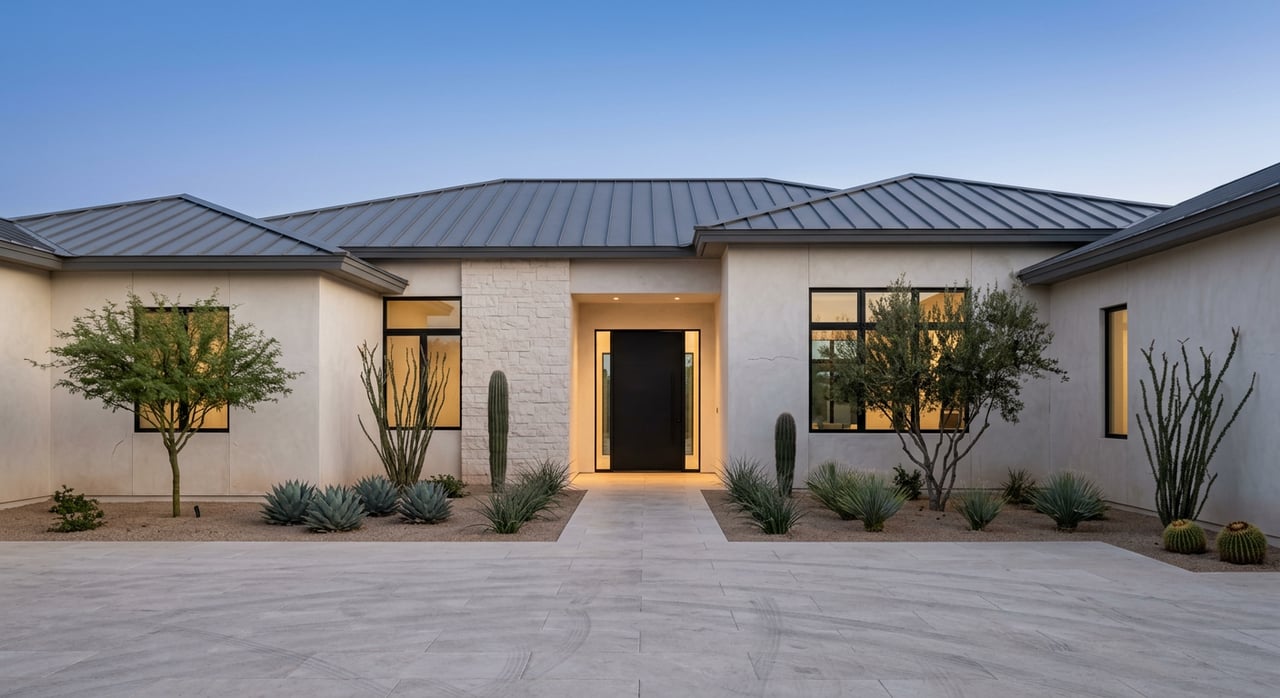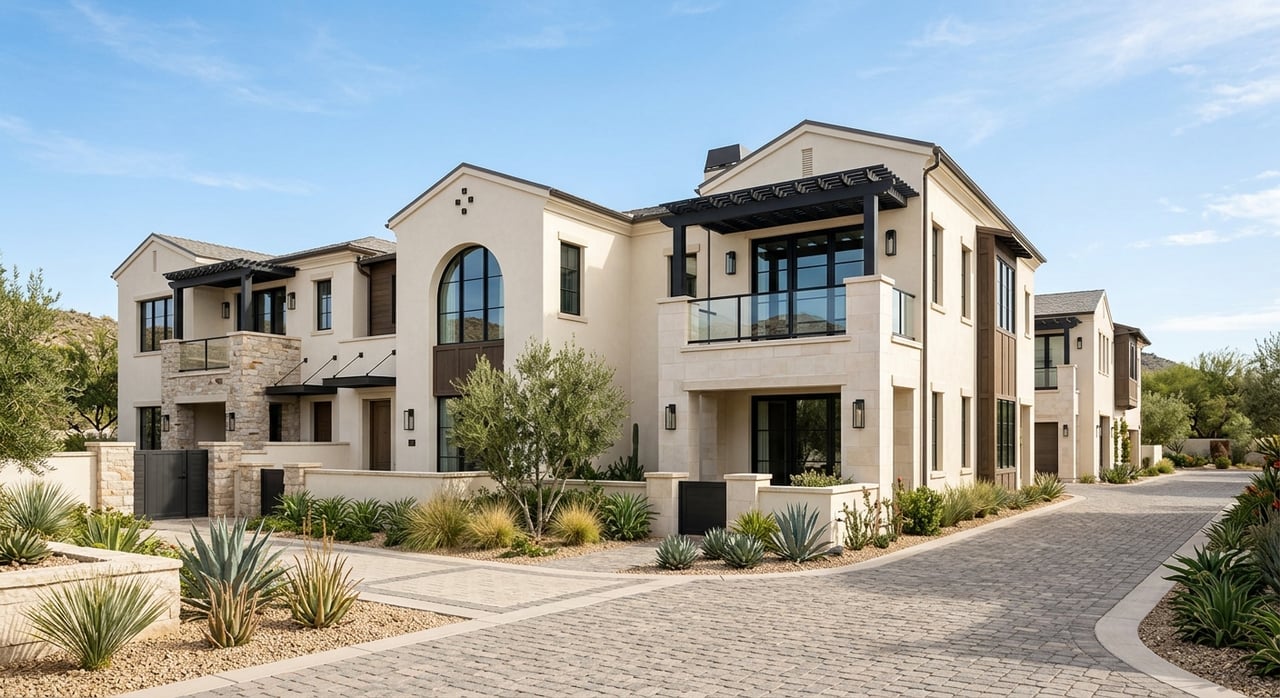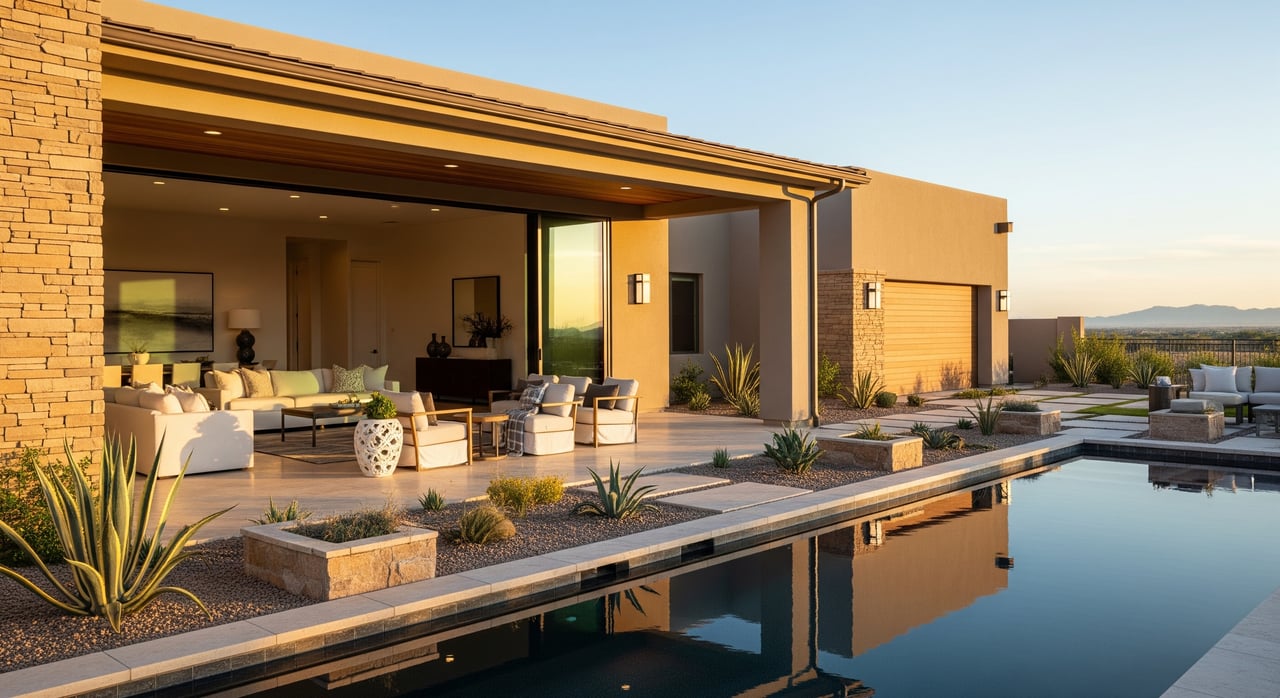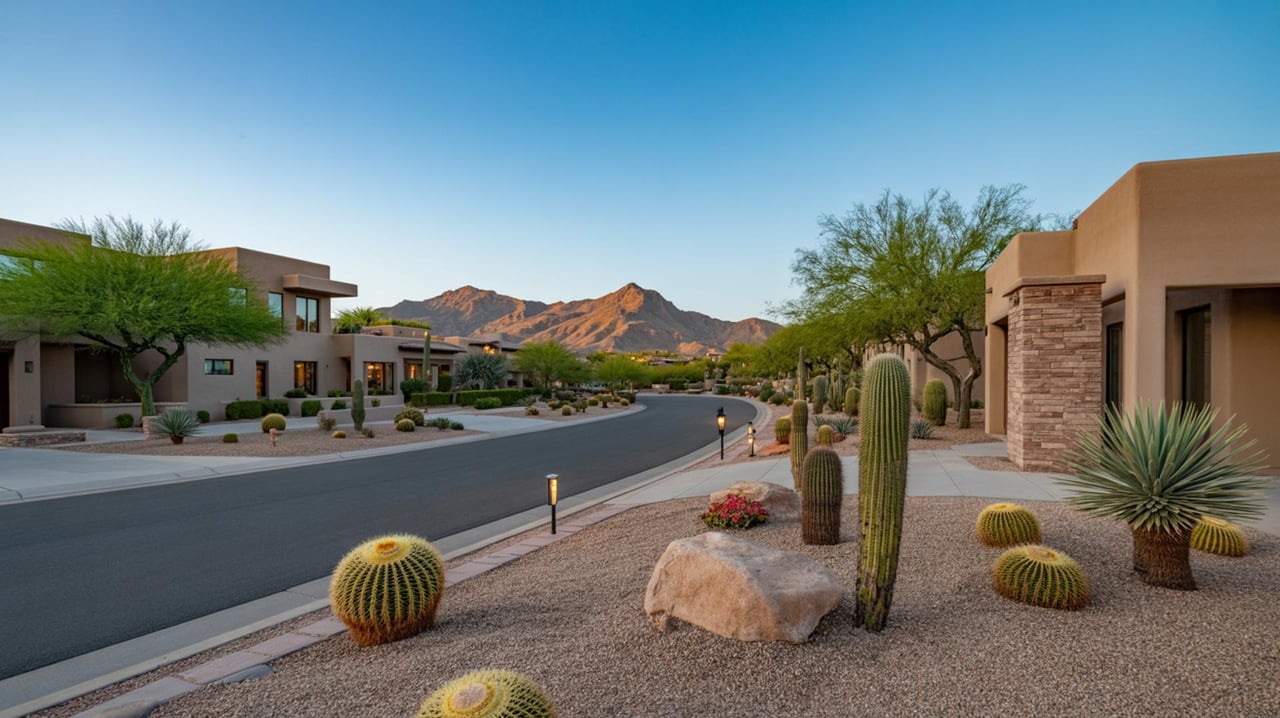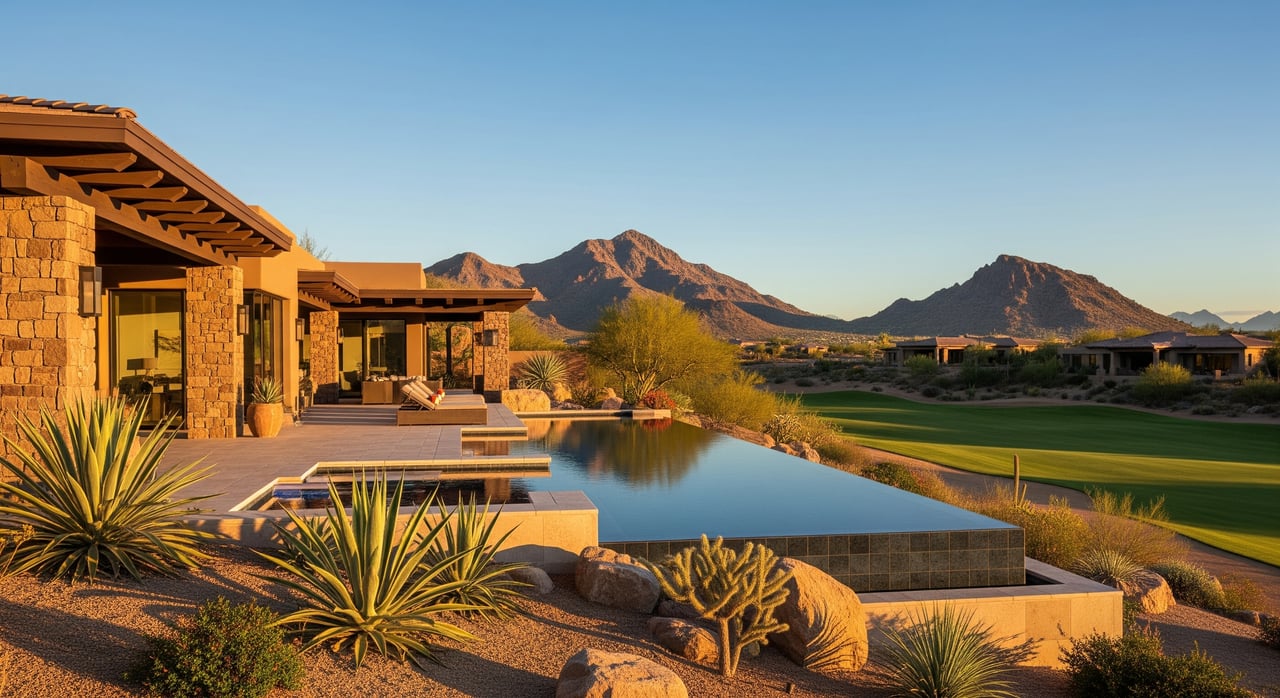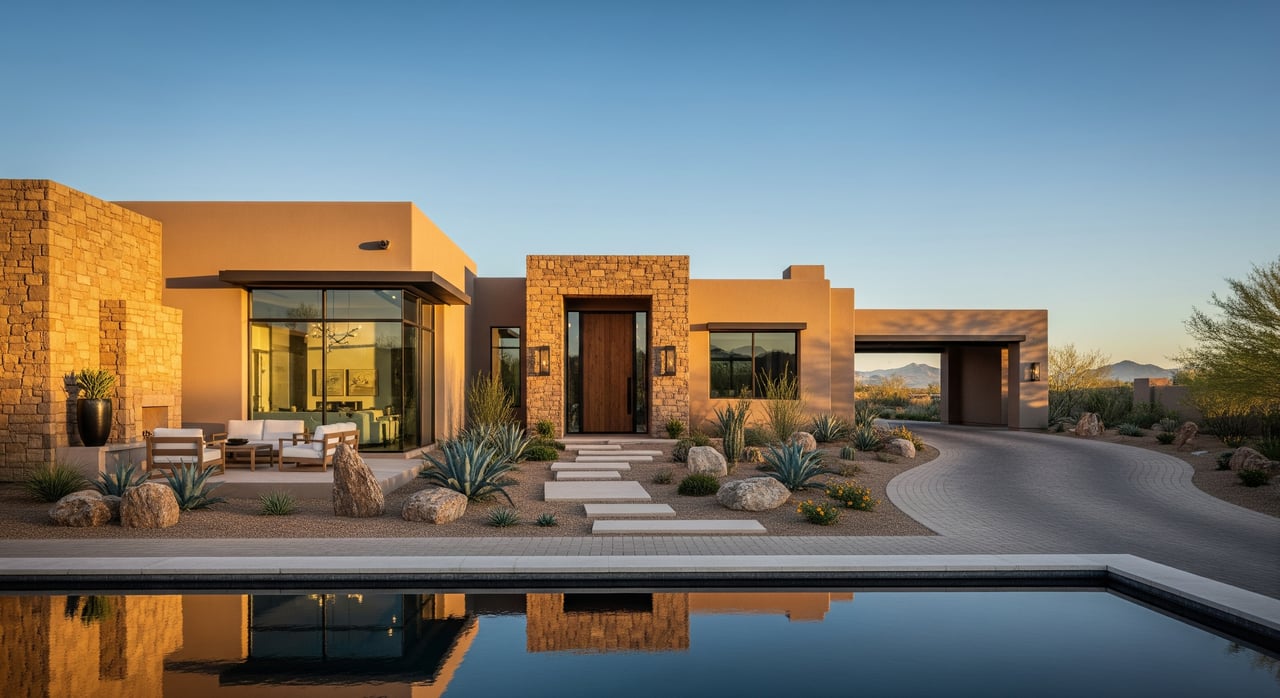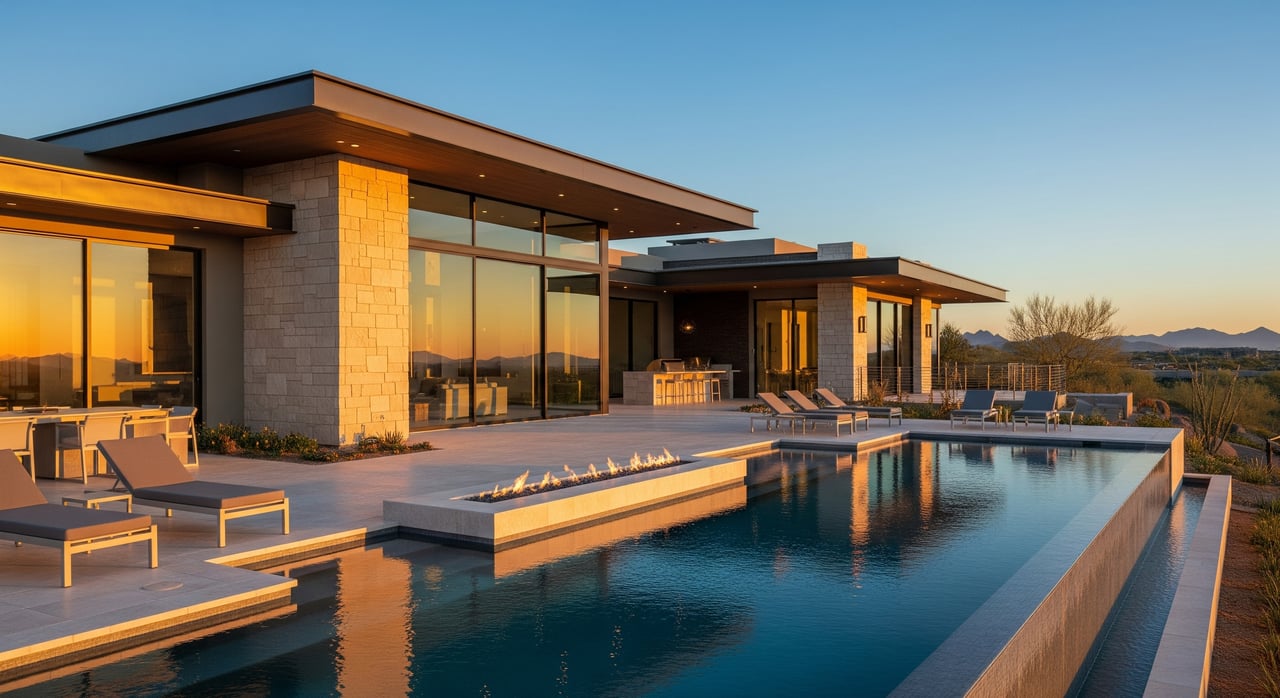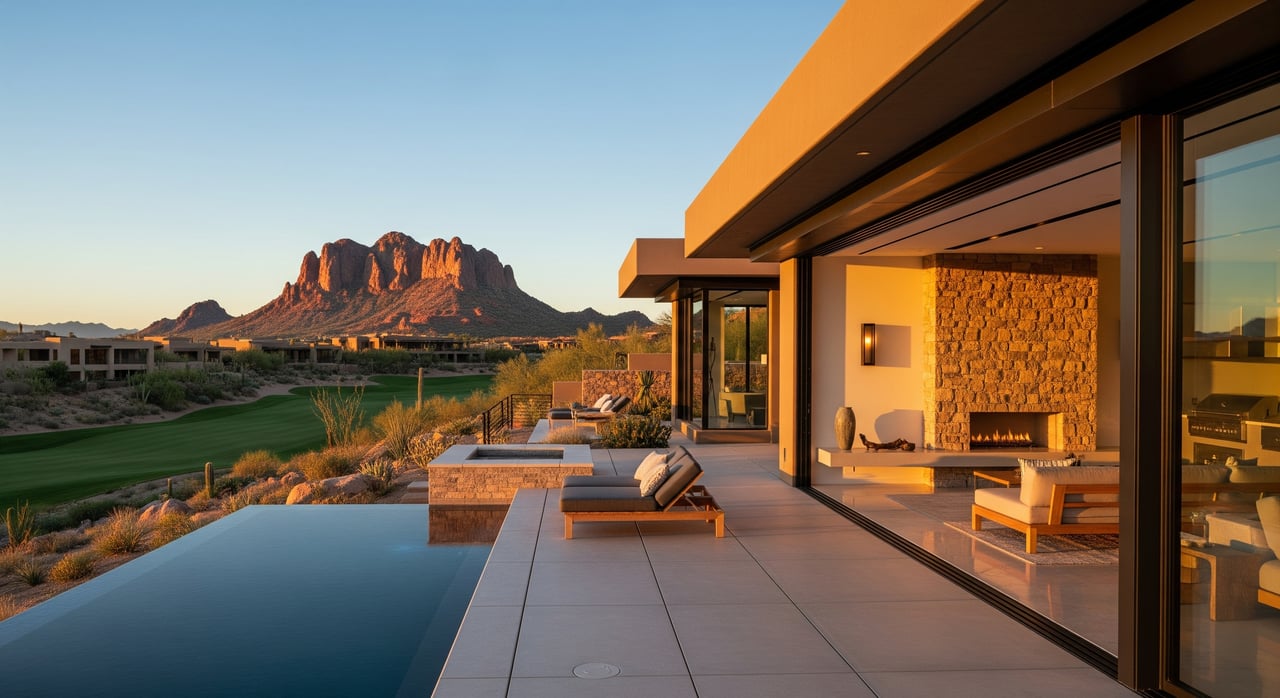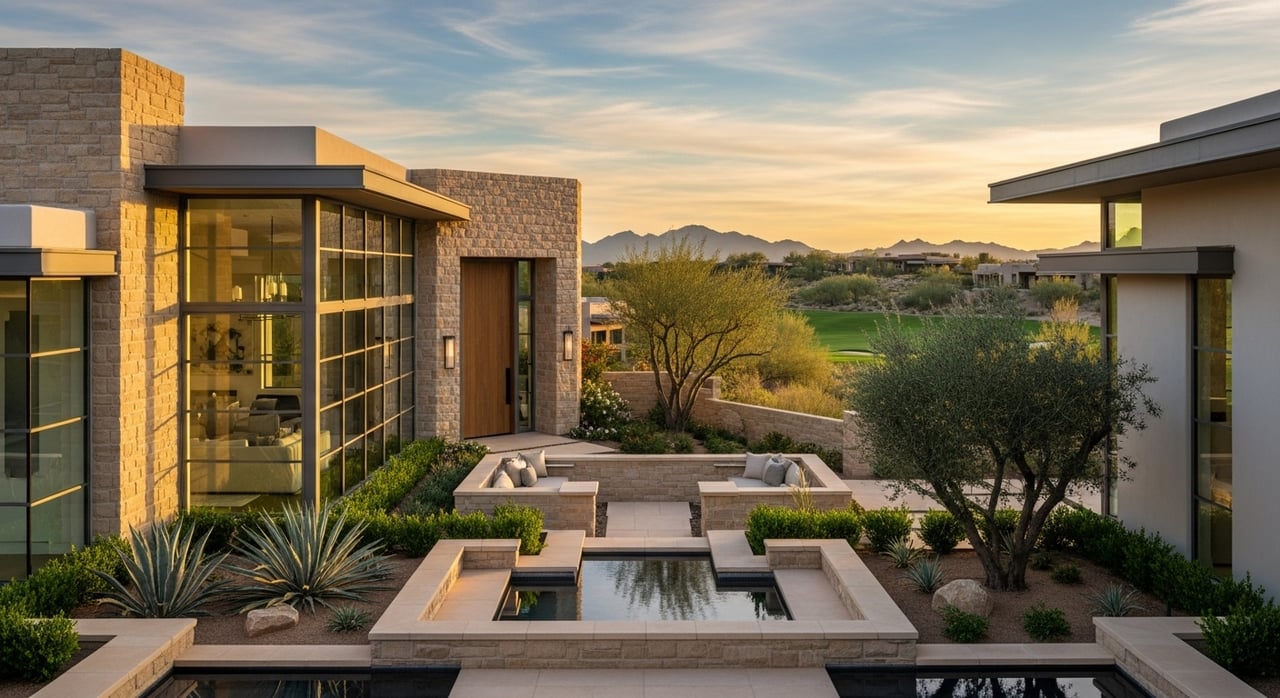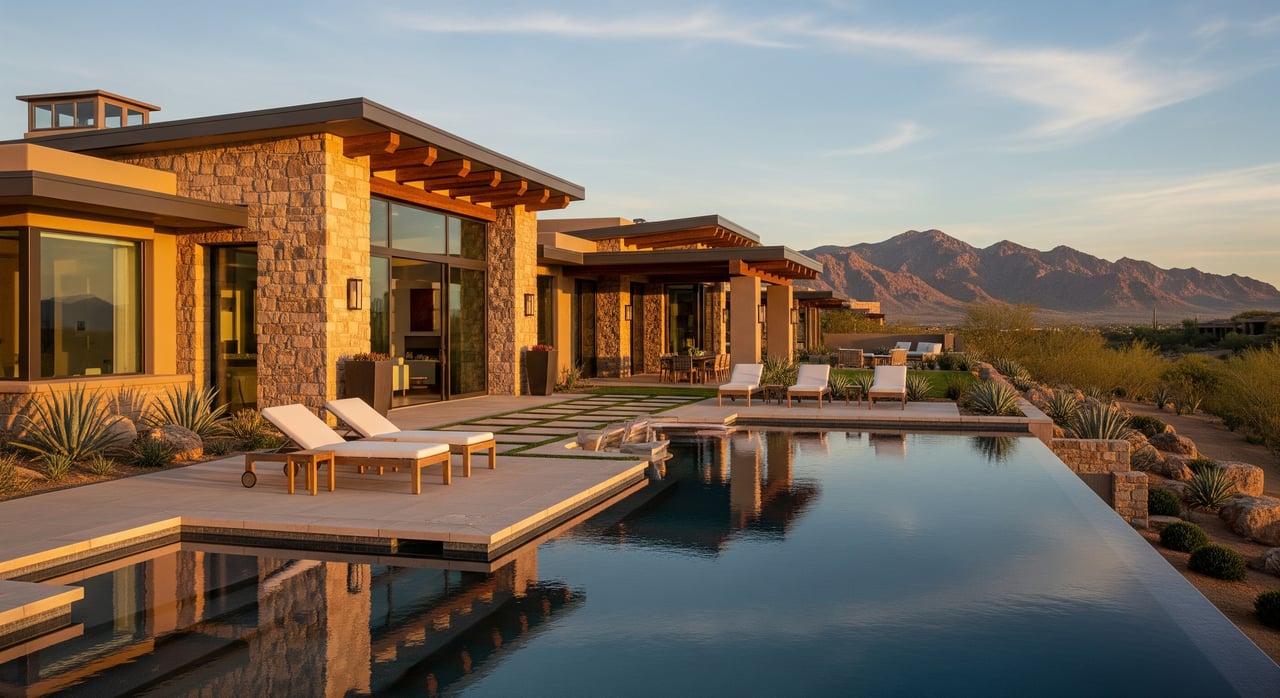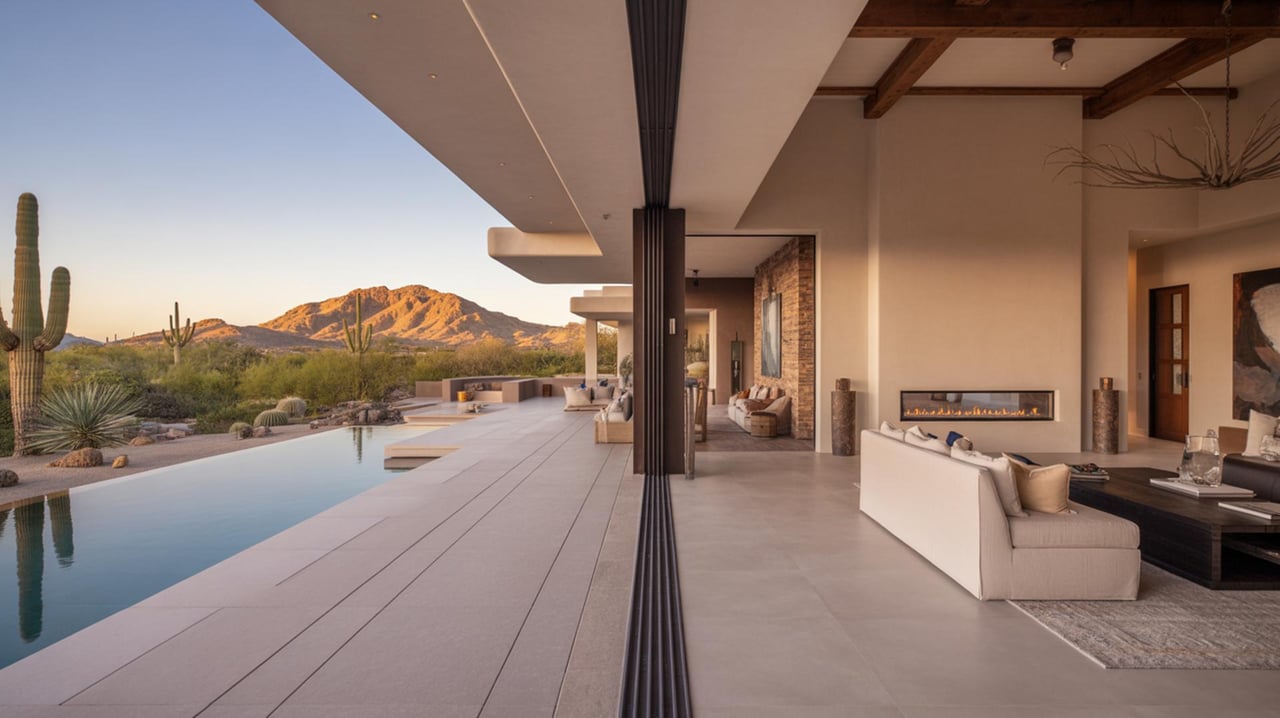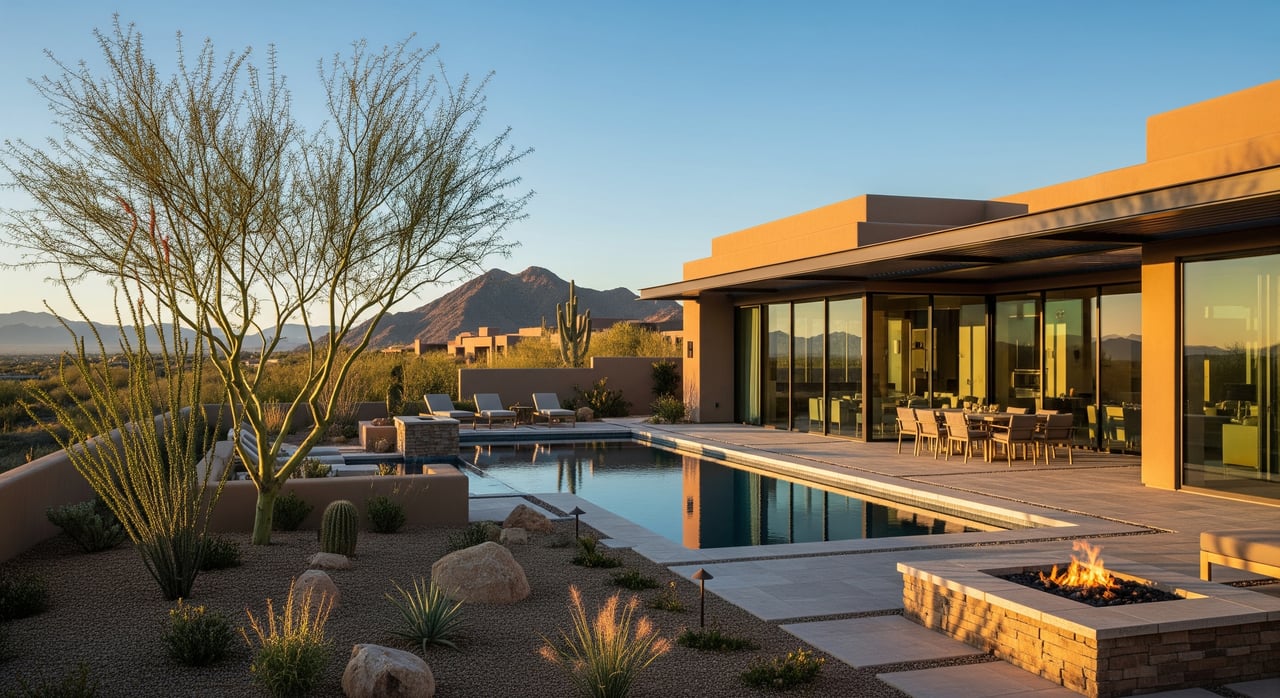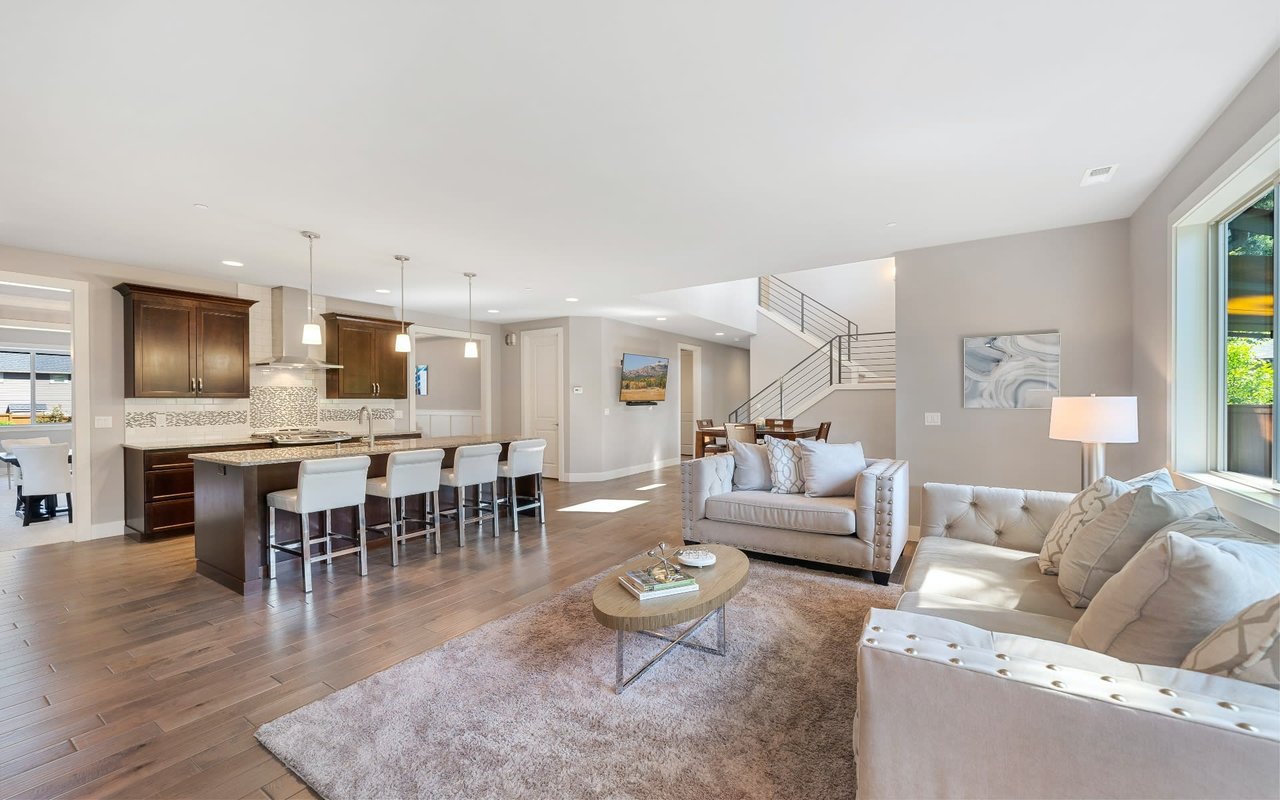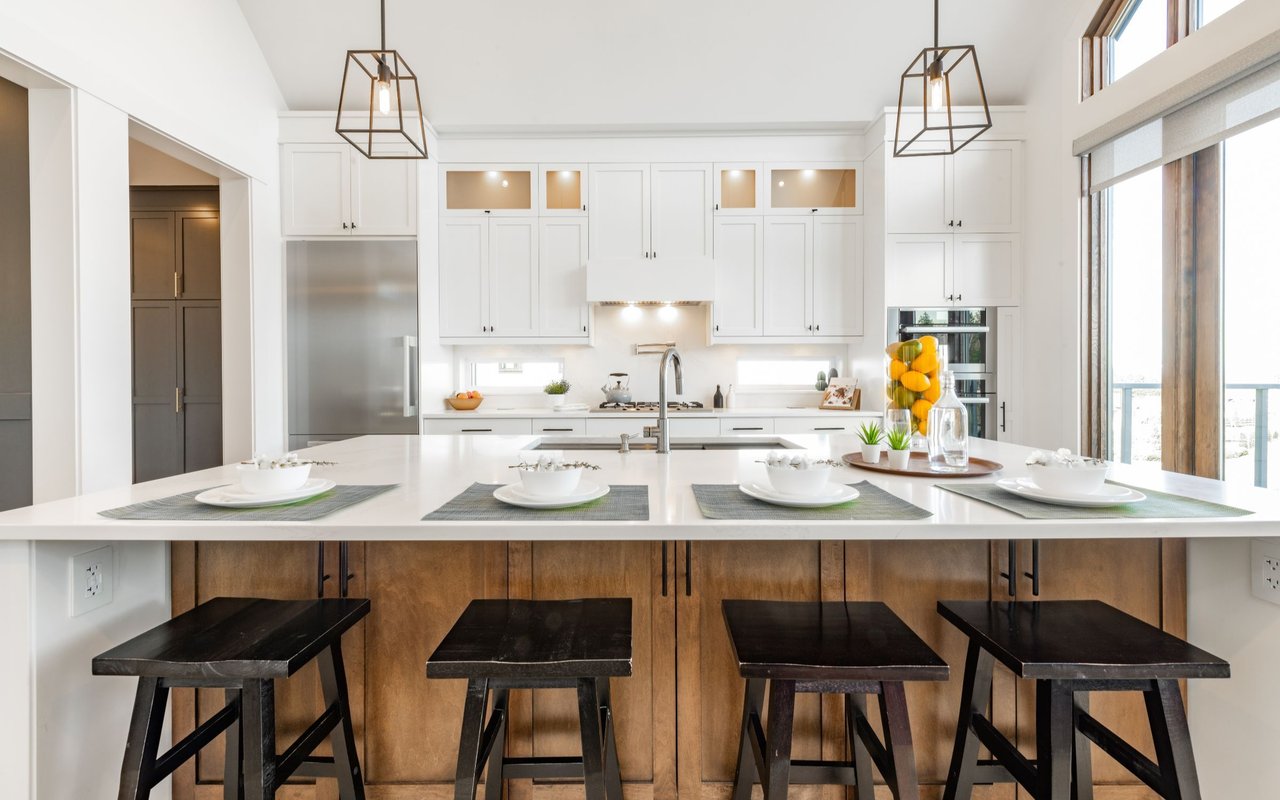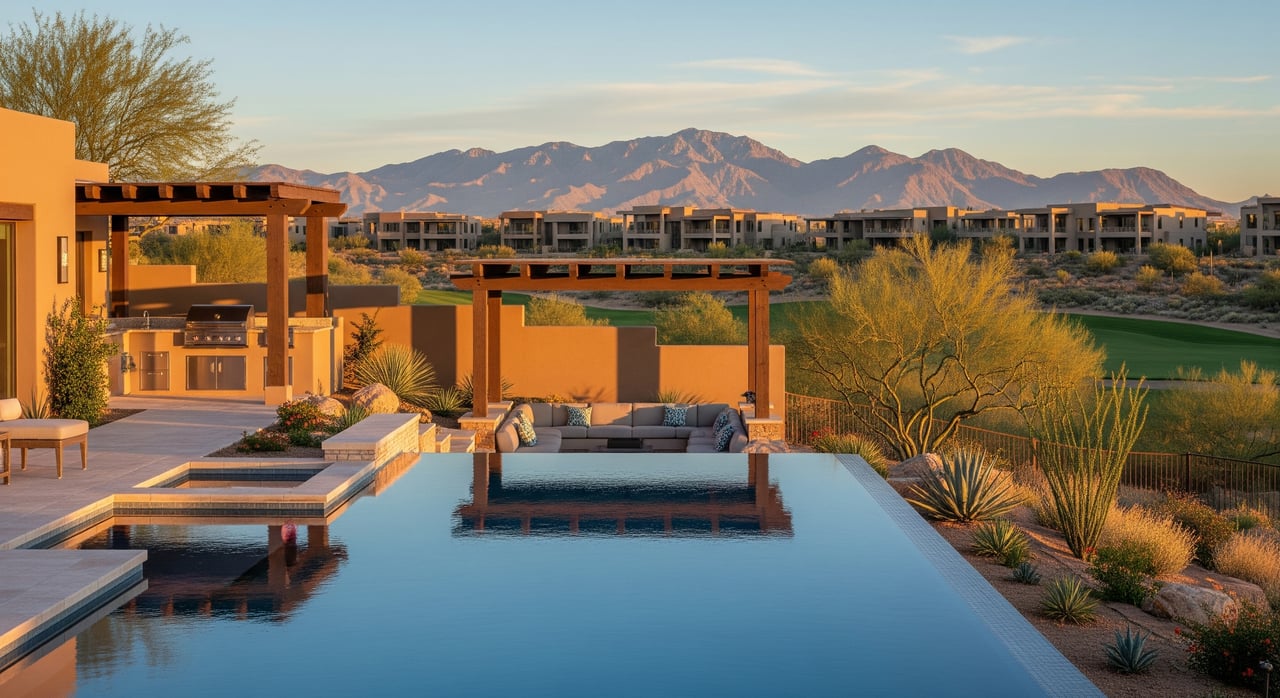
Torn between a lock-and-leave condo and the freedom of a single-family home in Grayhawk? You are not alone. The right choice depends on how you live, what you value day to day, and how you want to manage costs, rules, and future resale. In this guide, you will learn the key differences, what to budget, which rules to check, and how to compare options during showings. Let’s dive in.
Grayhawk at a glance
Grayhawk sits in north Scottsdale between the Loop 101, Thompson Peak Parkway, and Scottsdale Road. It is a master-planned community with multiple villages that include single-family homes, townhomes, and condos, with both gated enclaves and open streets. Governance typically includes a master association plus one or more sub-HOAs, so fees and rules vary by address. You can review community structure and resources through the Grayhawk Community Association.
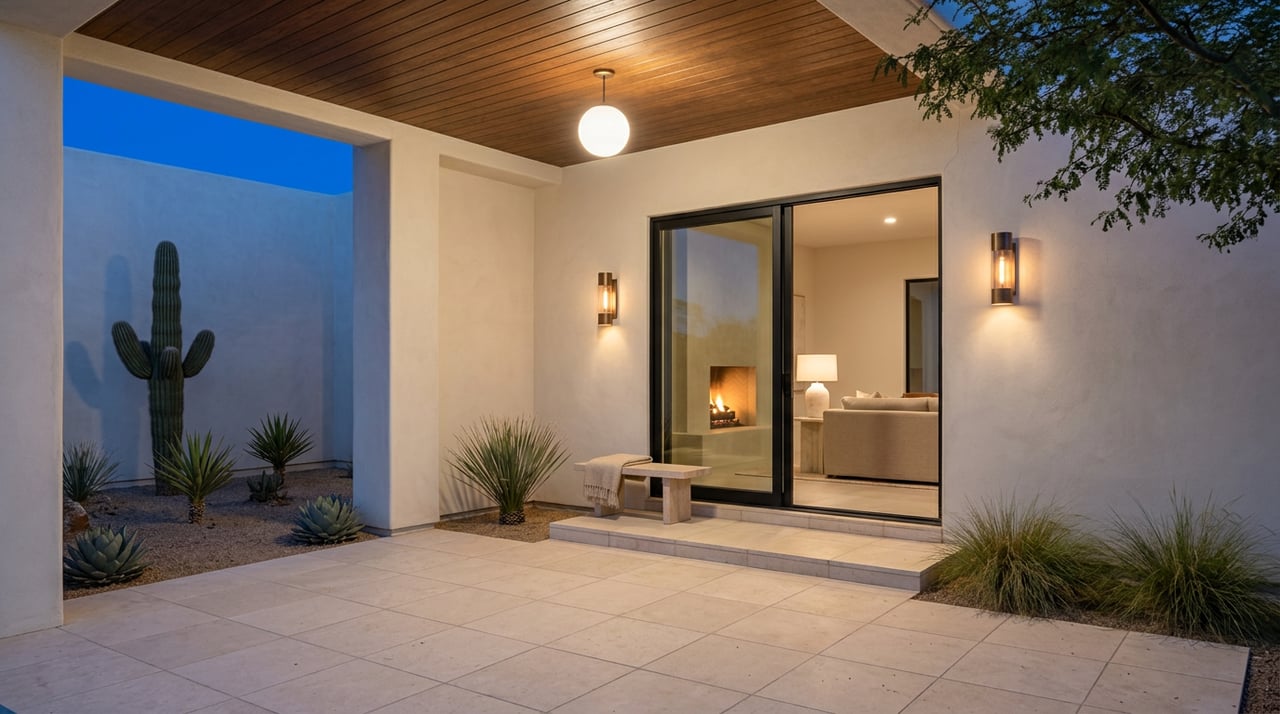
Lifestyle is a major draw here. You have access to trails, parks, and proximity to the Grayhawk Golf Club, along with shopping, restaurants, and nearby medical centers in north Scottsdale. Many buyers also value quick access to the Loop 101 for commuting around the Valley.
Condo vs single-family: who each fits
Choosing the right property type is about your daily rhythm and long-term plans.
- Condos often fit buyers who want a low-maintenance, lock-and-leave setup with on-site amenities. Common profiles include busy professionals, seasonal residents, and retirees who value convenience over yard work.
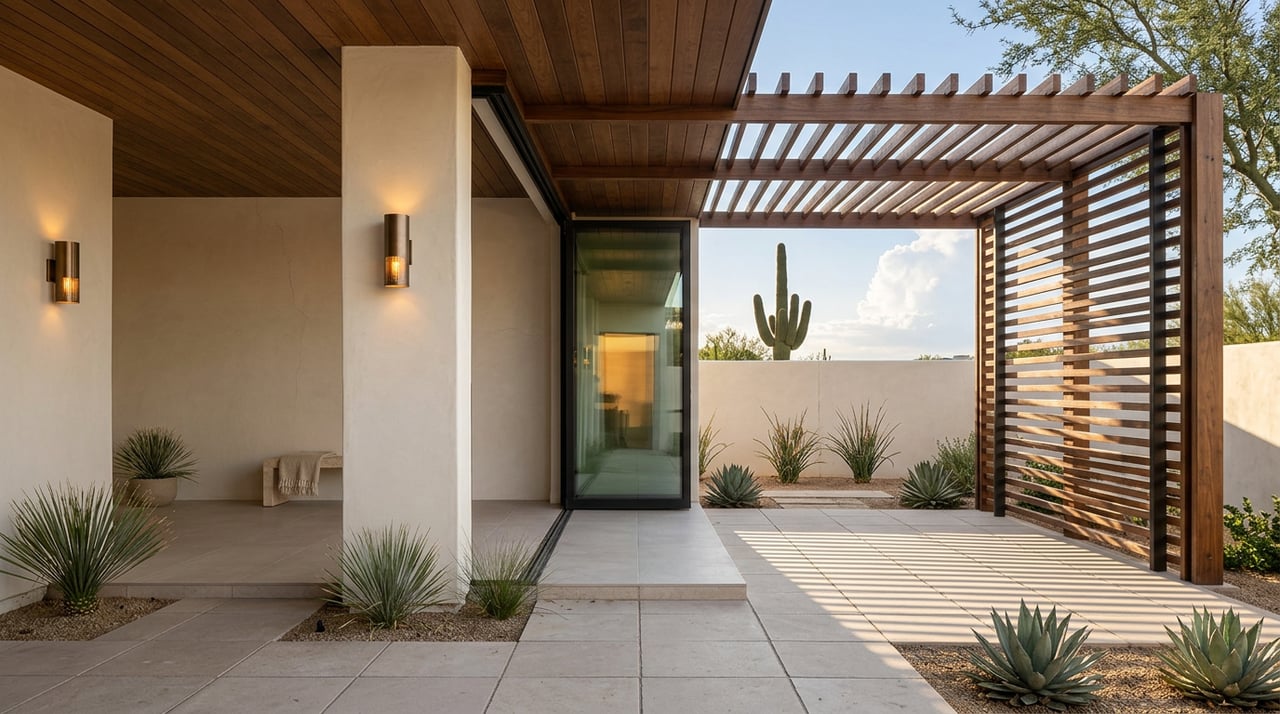
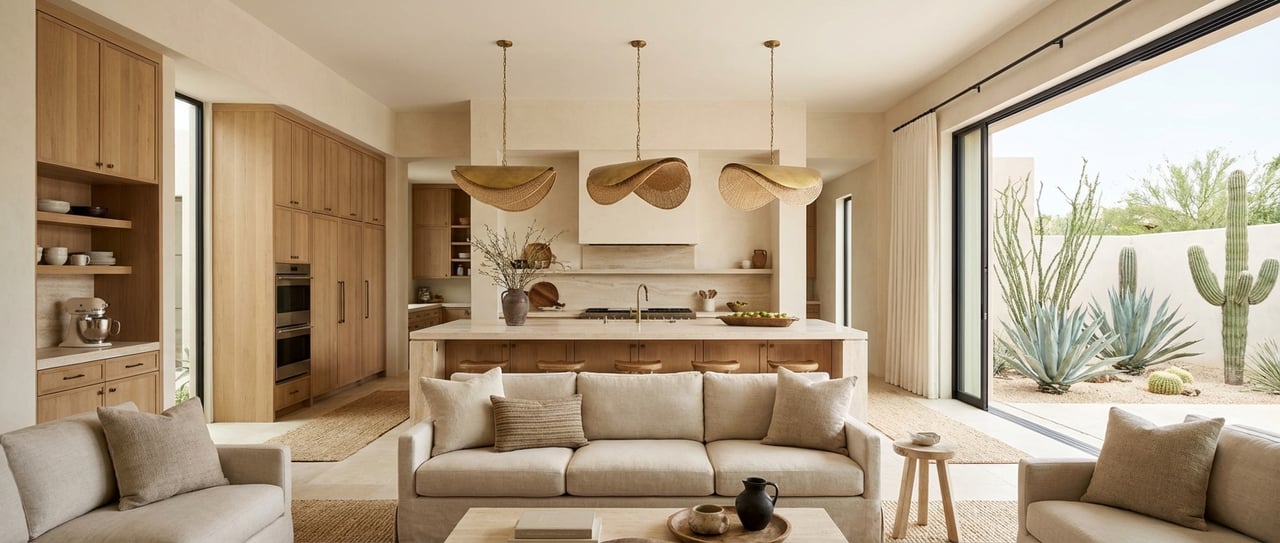
- Single-family homes tend to fit buyers who want private outdoor space, more interior and exterior customization, and greater autonomy for pets, landscaping, and additions. Common profiles include families, buyers who work from home and need space, or anyone prioritizing long-term control over the property.
Space, privacy, and outdoor living
- Condos and townhomes usually offer smaller private outdoor areas like patios or balconies. You may have shared walls. Privacy and noise depend on building design, insulation, and whether the unit is a top-floor or corner position.
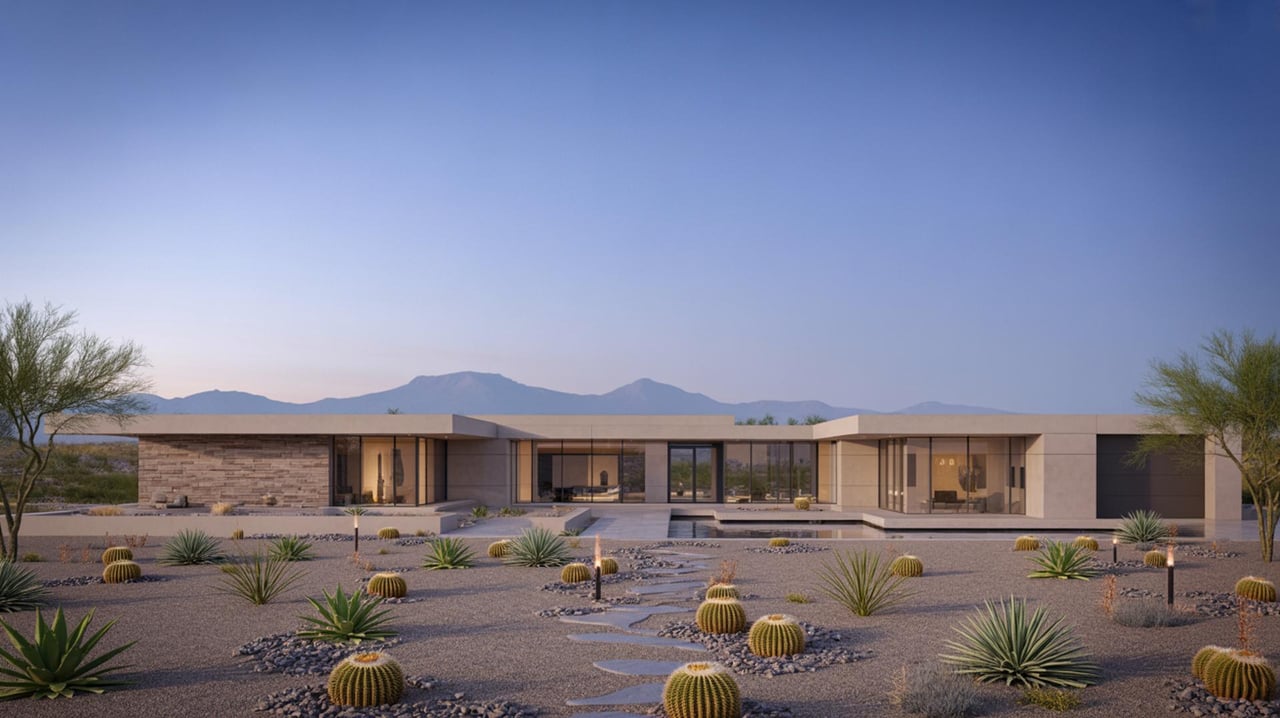
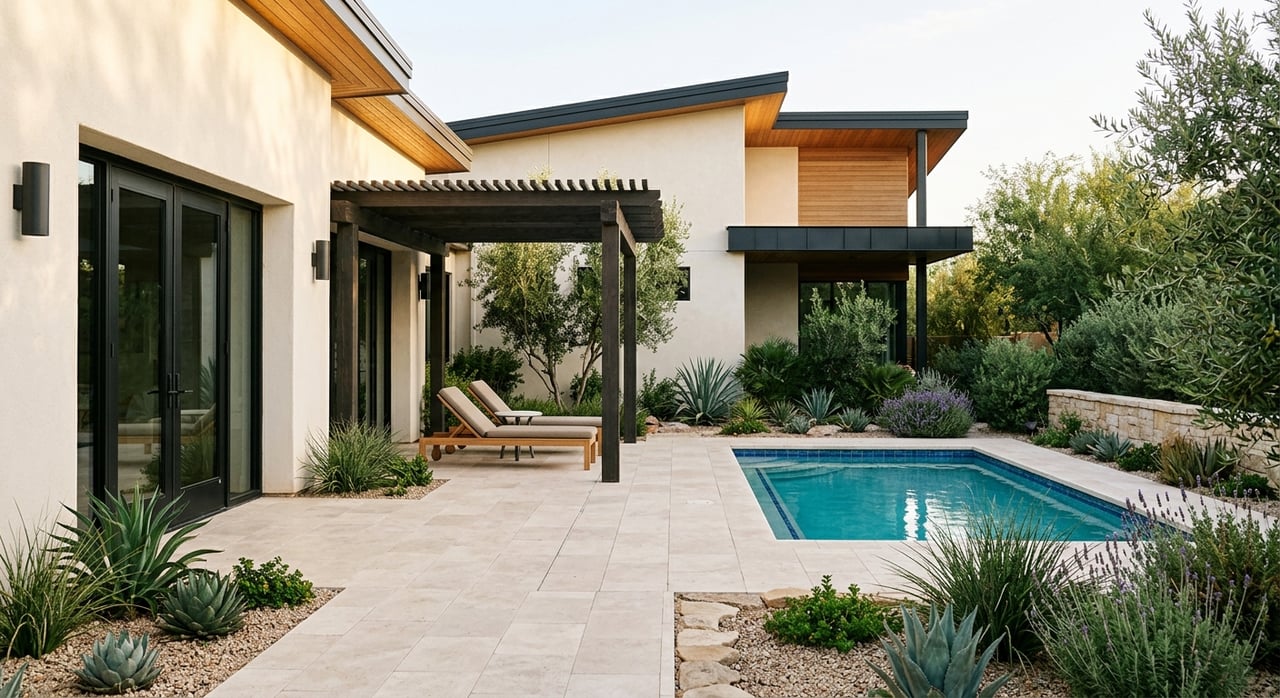
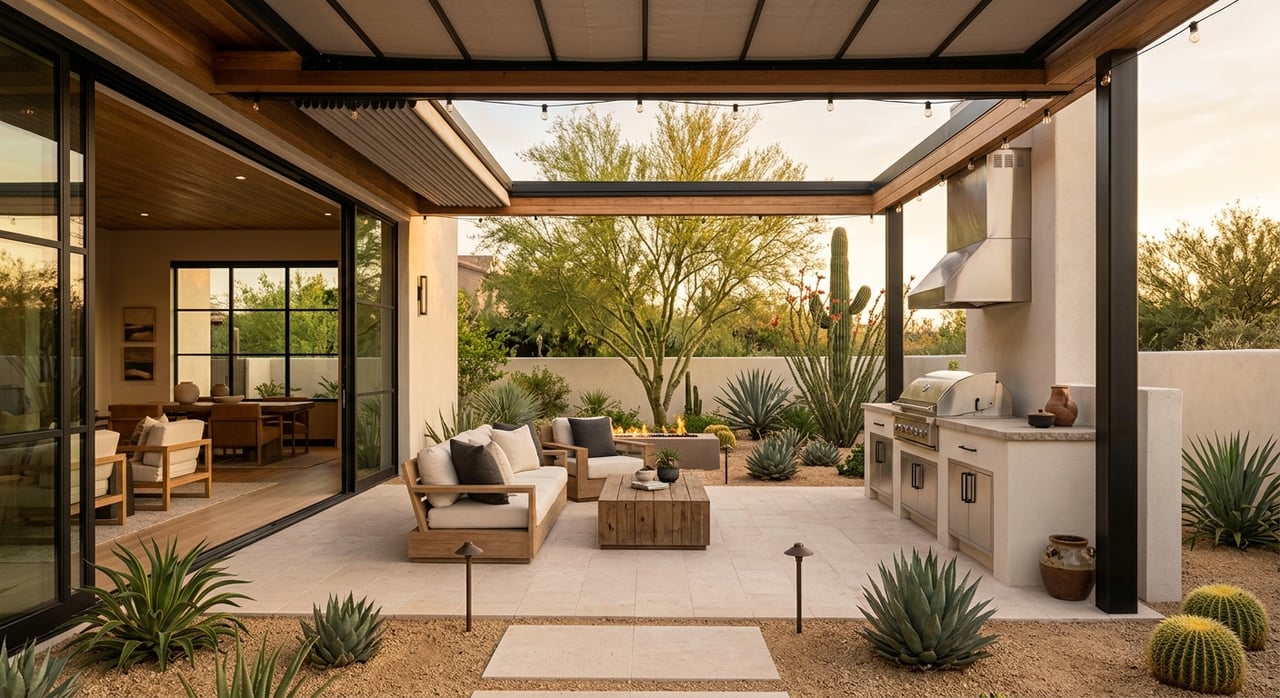
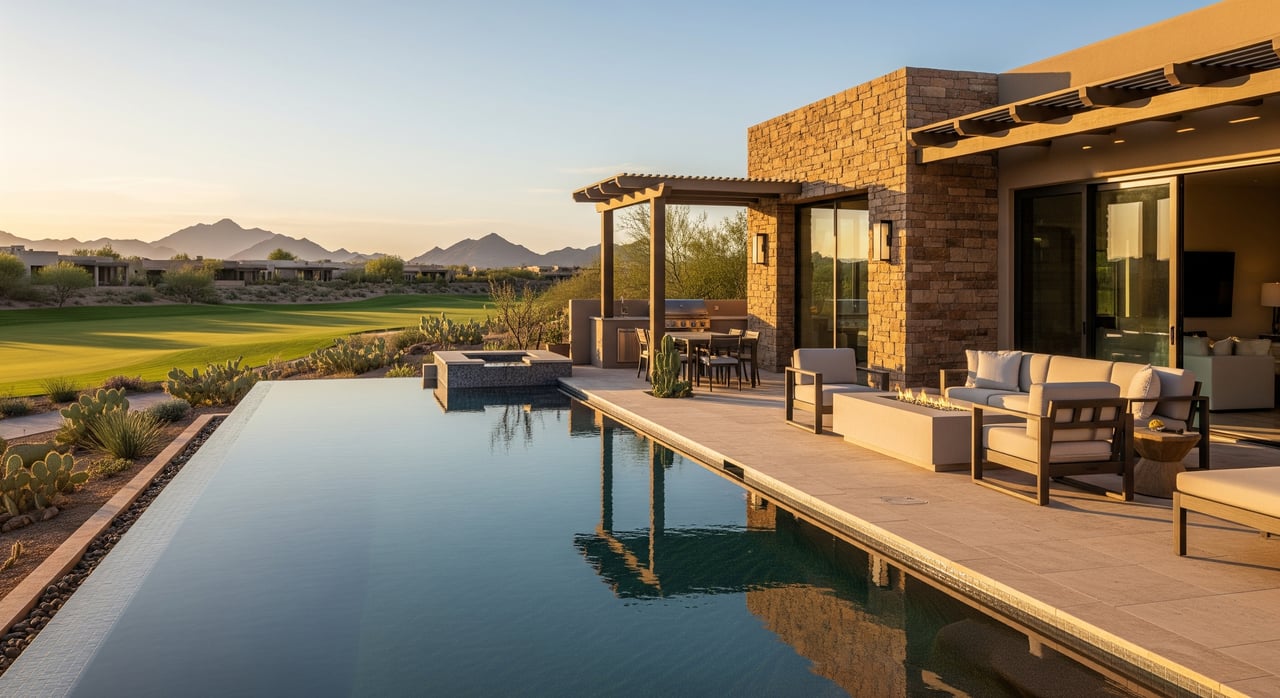
- Single-family homes give you a yard, more setback from neighbors, and flexibility for outdoor living, from play areas to gardens and pools. Storage and parking options also tend to be more generous.
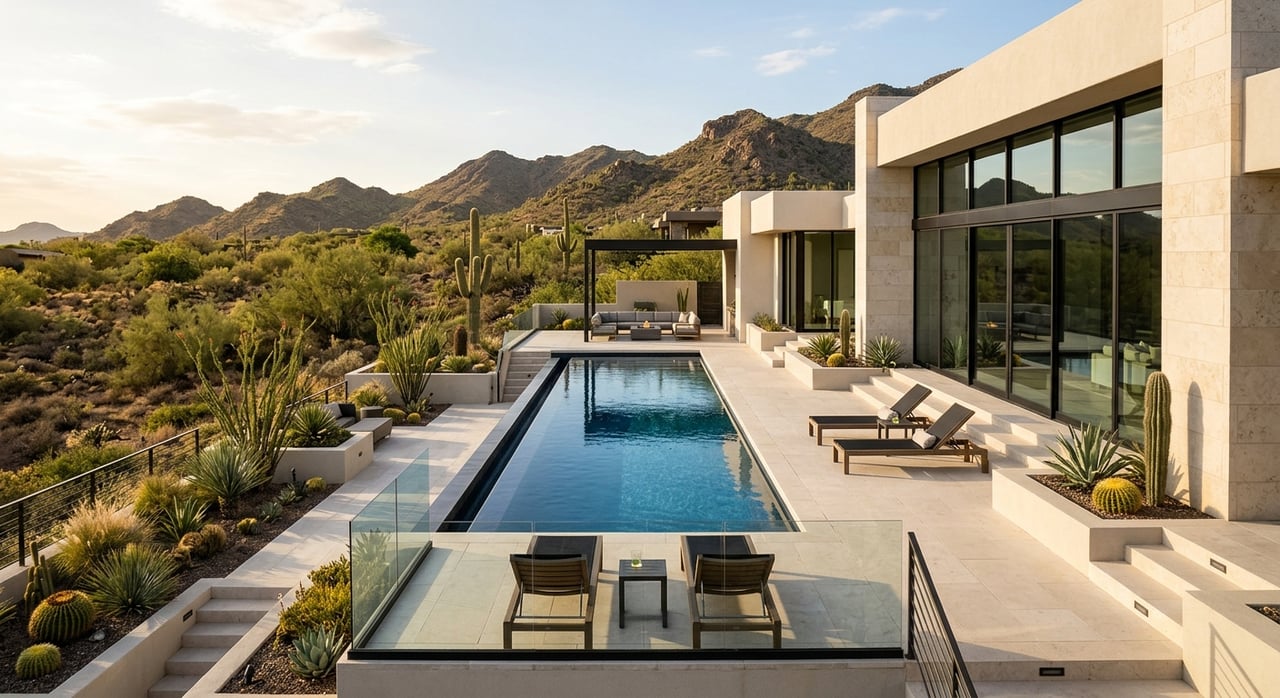
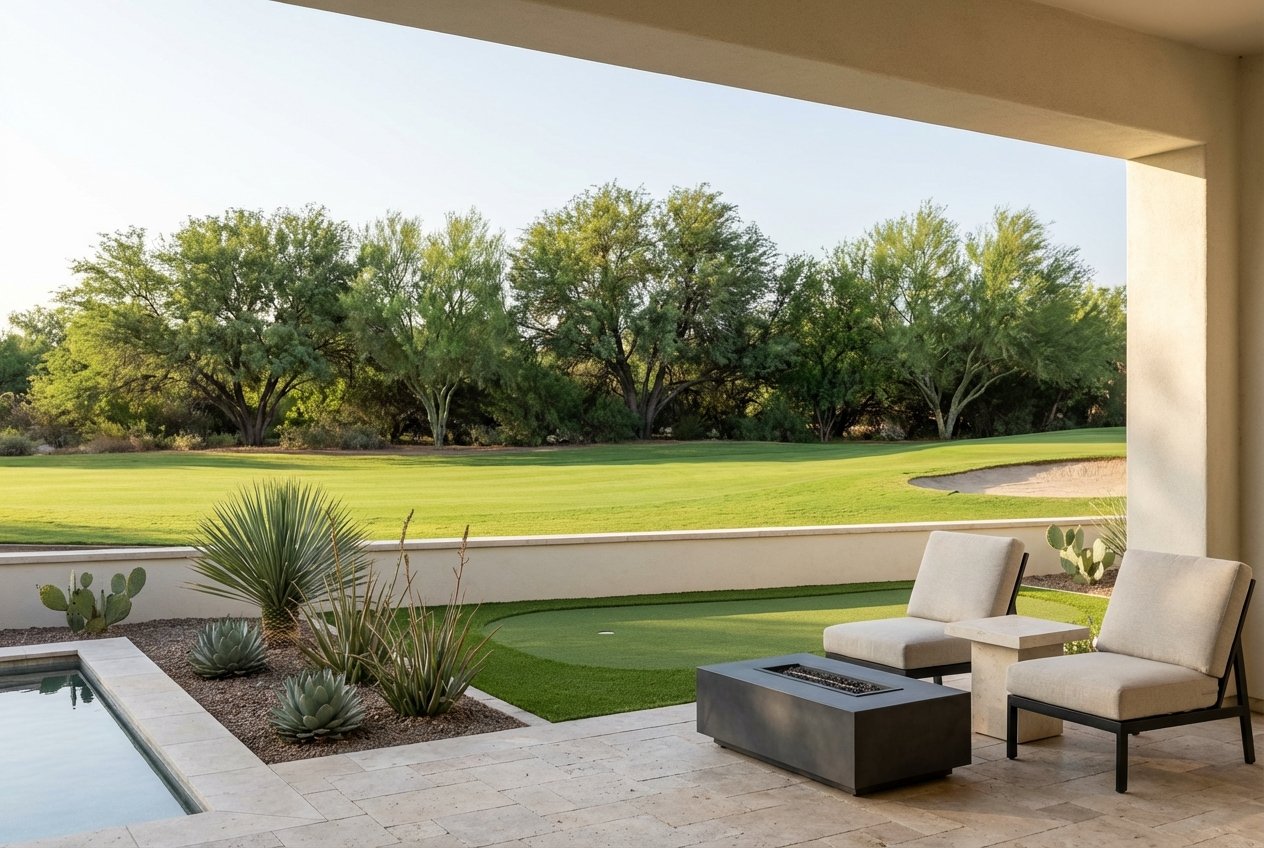
- Both product types in Grayhawk can capture mountain or desert views depending on location. Upper-floor condos may frame McDowell Mountain views, and some single-family lots offer wider view corridors.
Maintenance and HOA tradeoffs
- In condos, the HOA typically maintains the building exterior, roof, common areas, and landscaping. Many also maintain pools, fitness rooms, gates, and pest control. The tradeoff is less control over exterior decisions and the potential for special assessments.
- In single-family homes, you control exterior maintenance, landscaping, and any pool. You have more say in materials and timing, but you also take on the time and cost of upkeep.
- With either product, request the HOA packet early. Pin down what the HOA maintains, the current budget and reserve study, and any planned capital projects. Healthy reserves reduce the risk of large assessments.
Amenities and daily life
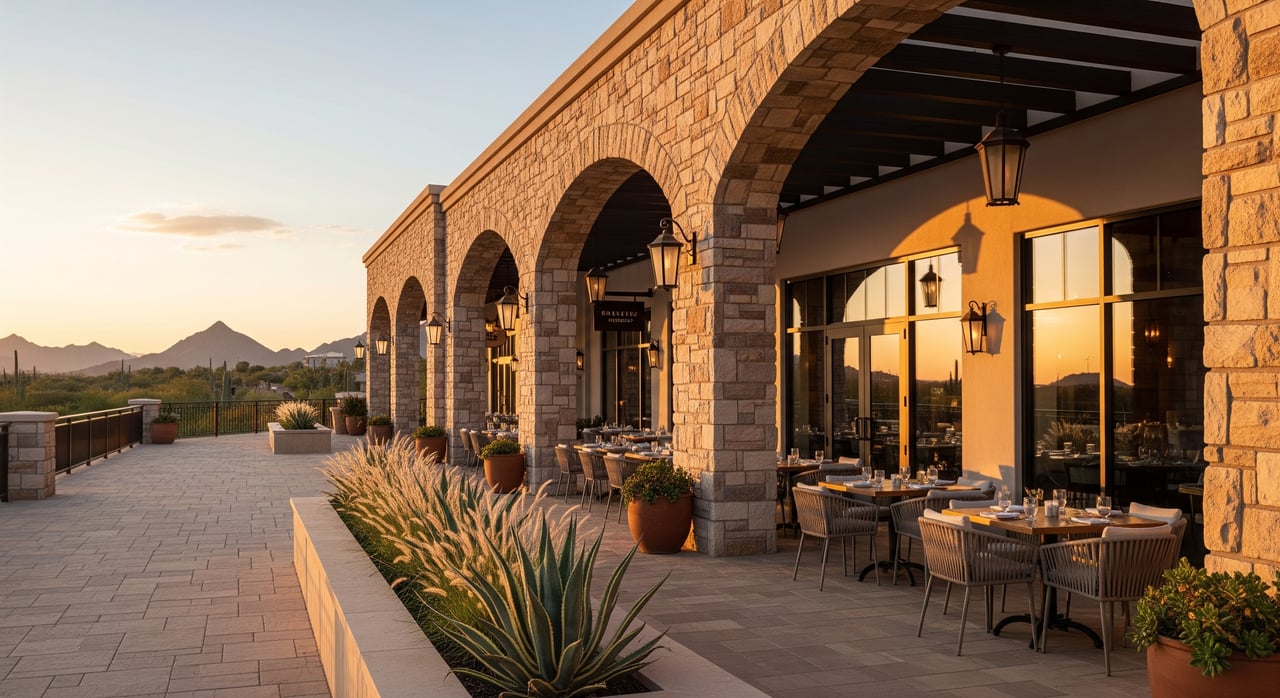
Many Grayhawk condo communities include pools, fitness rooms, gated entries, and social programming. Single-family homeowners in Grayhawk often have access to master-planned amenities through the master association and may have additional amenities within a sub-HOA. Always verify which amenities apply to your exact address, and whether memberships or separate fees are required. For golf, review programs and public-play options with the Grayhawk Golf Club.
Cost of ownership: what to budget
Think beyond the purchase price and compare the total monthly outlay.
- Purchase price: Condos in Grayhawk often provide a lower entry price than detached homes, but views, finishes, and location within the community can push values higher.
- HOA dues: Confirm current monthly dues for both the master and any sub-HOA. Ask for a line-item breakdown that shows what is covered, including exterior maintenance, roof, insurance master policy, water, sewer, trash, cable or internet, gate security, and reserves.
- Insurance: Condo owners usually carry an HO-6 policy for interior improvements, personal property, and liability, while the building exterior is covered by the association’s master policy. Single-family owners typically carry an HO-3 policy for the entire dwelling and detached improvements. Ask your insurance broker about endorsements for wind, hail, and wildfire. For flood risk, check parcel status on the FEMA Flood Map Service Center.
- Property taxes: Review the parcel’s tax history and assessed values with the Maricopa County Assessor to estimate ongoing taxes and understand how changes may follow a purchase.
- Utilities and services: Some condo HOAs include water, sewer, trash, cable, or internet. Confirm which utilities you will pay directly and which are in the dues.
Financing, insurance, and approvals
Financing is usually more complex for condos because lenders review the entire project.
- Condo project approvals: Many lenders require project approval for conventional financing, and government-backed loans rely on published approval lists. You can check FHA eligibility on HUD’s FHA condominium approval list. For VA loans, review guidance on the VA’s condo loan page, then ask your lender to confirm project status.
- Underwriting factors: Lenders often look at owner-occupancy ratios, the percentage of investor-owned units, HOA reserves, and any ongoing litigation. These factors can affect your rate, down payment, or approval.
- Insurance differences: Verify whether the condo’s master policy is bare-walls or all-in, and understand deductibles. In a single-family purchase, compare HO-3 quotes that reflect the structure, pool, and lot-specific risks.
Rules, rentals, and resale
HOA rules can shape daily life, investment strategy, and resale options.
- Rentals: Many condo associations limit rentals or prohibit short-term rentals. Single-family homes may be more flexible, but both product types in Scottsdale must follow city requirements. Confirm licensing and rules on the City’s short-term rental page and match them to the HOA’s CC&Rs.
- Use and customization: Condos often restrict exterior changes and may set pet and design guidelines. Single-family homes usually allow more freedom, subject to city permitting and any HOA architectural review.
- Resale and appreciation: There is no one-size-fits-all rule. Single-family homes often benefit from land value over time, but a well-located, amenity-rich condo can perform strongly. Ask for recent, property-type comps from the MLS for your specific Grayhawk village and date range to gauge near-term performance.
Micro-differences across Grayhawk villages
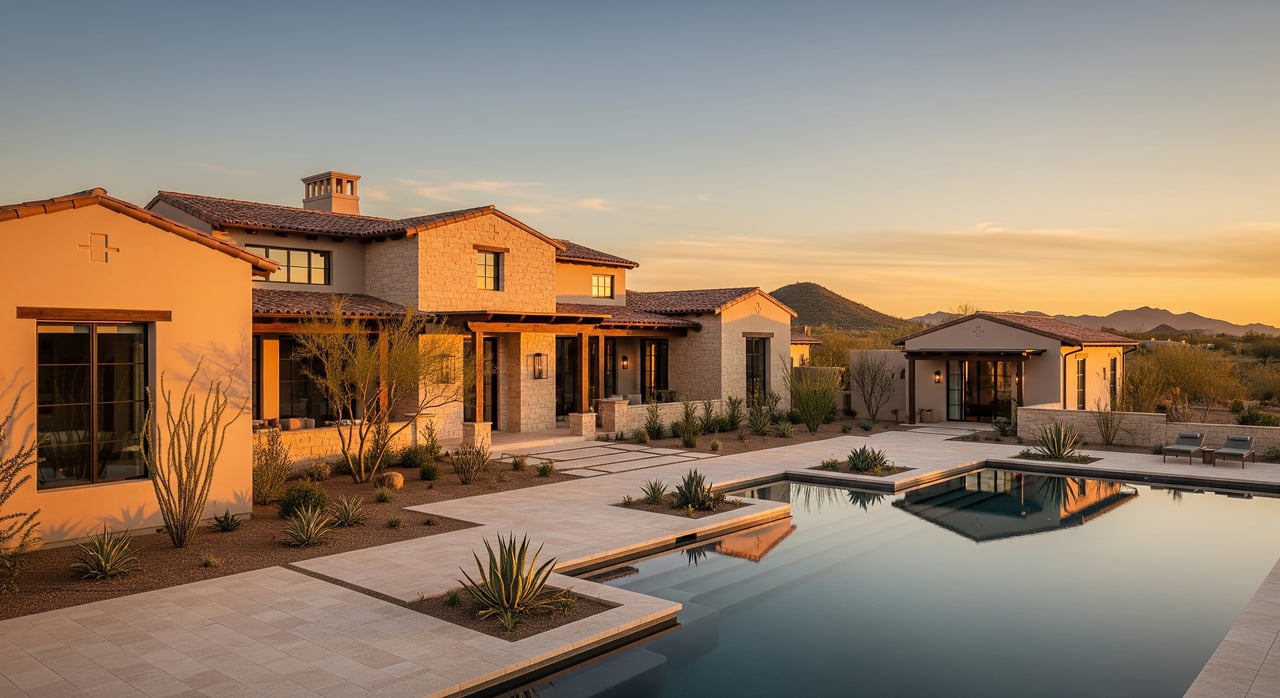
Grayhawk’s villages vary in age, architecture, amenities, and fee structures. Some enclaves are gated with community pools and fitness rooms. Others are open-street neighborhoods with larger lots or patio-home layouts. Because rules and fees differ by sub-HOA, verify the exact association(s) for the property through the Grayhawk Community Association.
Lifestyle factors also vary by micro-location. Consider your commute to the Loop 101 and North Scottsdale employers. If you are active outdoors, look at proximity to trail access and parks. Families often weigh lot layout, indoor-outdoor flow, and flexible spaces for work or hobbies.
How to compare two Grayhawk homes
When you tour, use this quick walkthrough checklist to spot the meaningful differences between a condo and a single-family home.
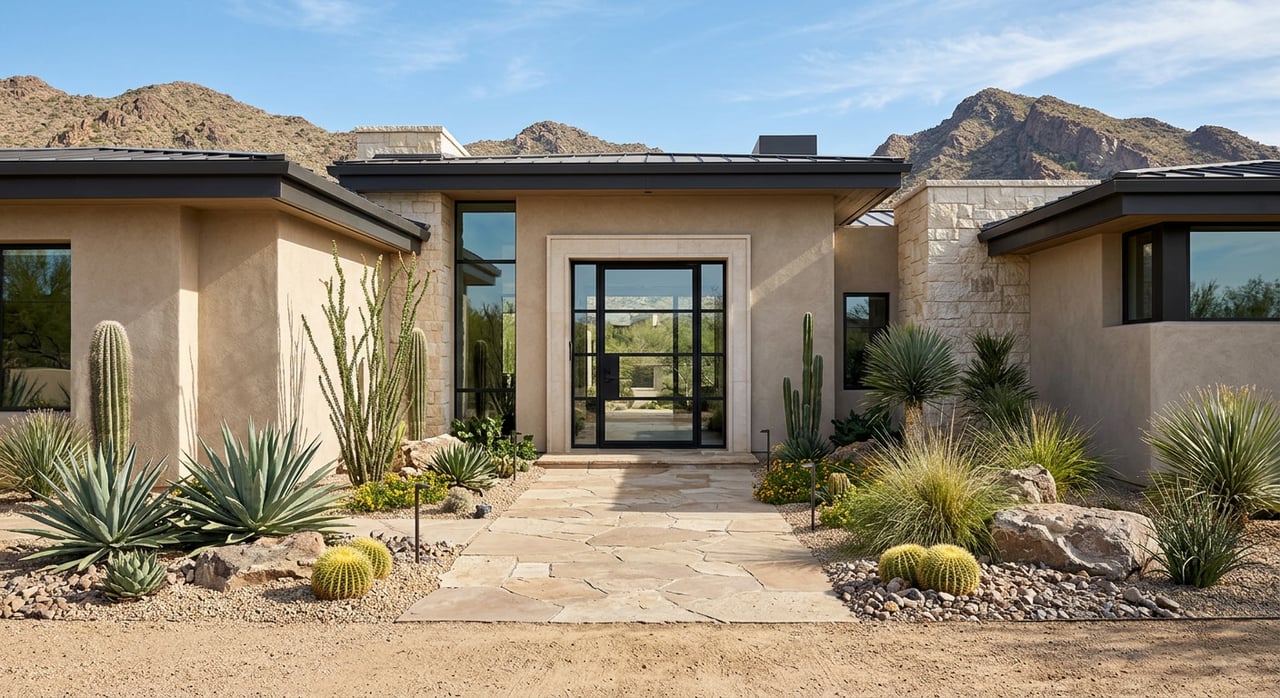
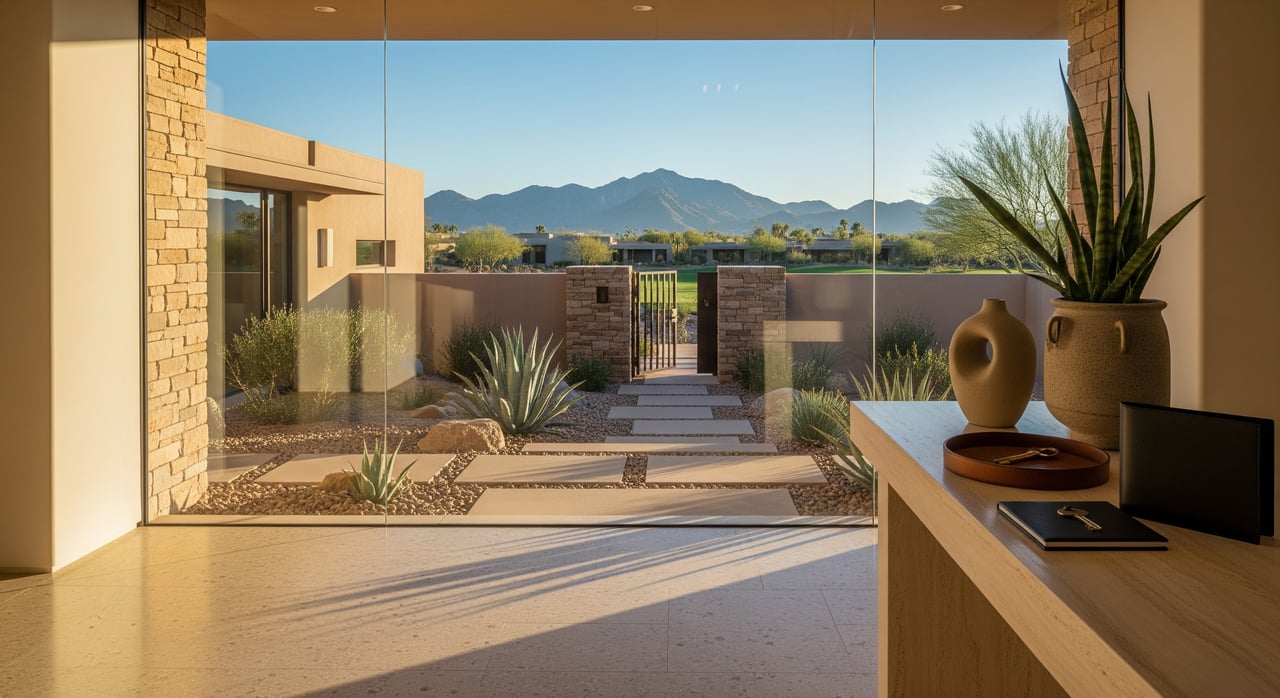
- Arrival and common areas: In condos, note the condition of lobbies, hallways, elevators, mailboxes, and landscaping. For single-family, review street appeal, entry experience, and sightlines to the yard.
- Noise and privacy: Stand near shared walls or above garages in a condo. In a single-family, check window exposure to neighboring yards and street activity.
- Storage and parking: Confirm parking assignments, garage size, and guest parking rules for condos. In single-family, measure garage clearance and evaluate driveway use.
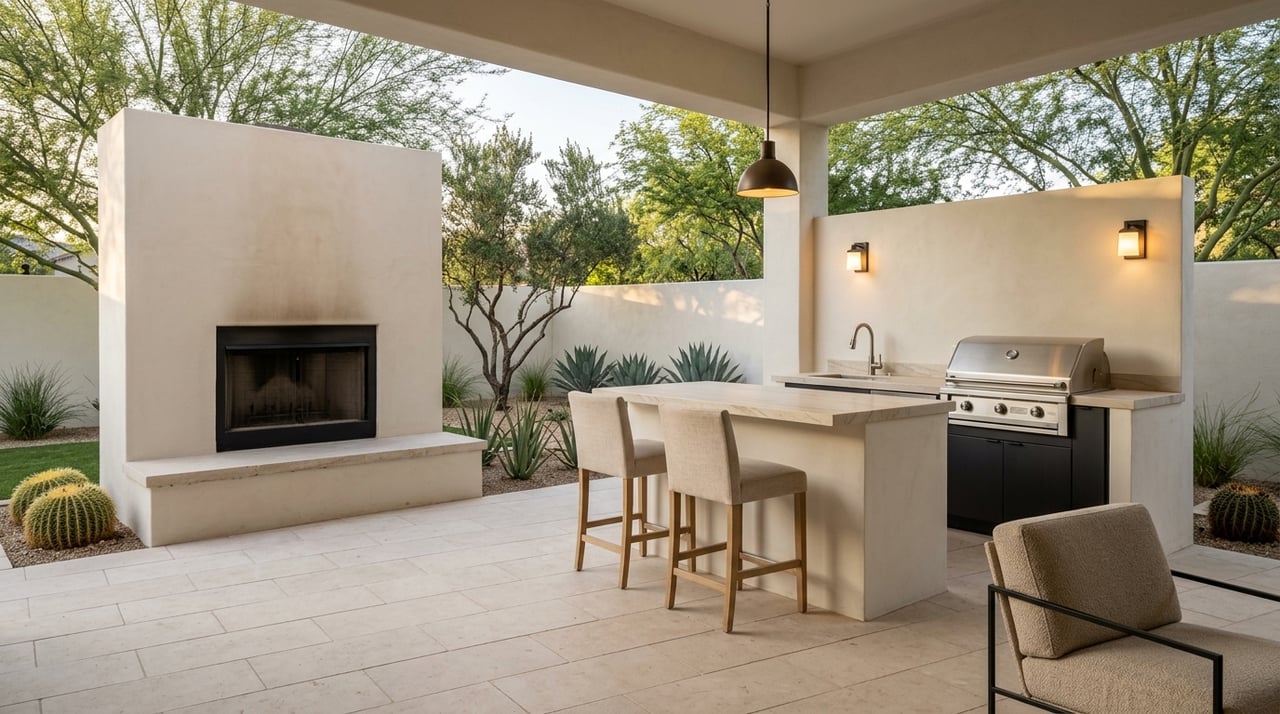
- Outdoor living: Compare the size and usability of patios versus yards. Note sun exposure, shade opportunities, and potential for a pool or outdoor kitchen.
- Systems and maintenance: Find the location and age indicators for HVAC, water heater, and roof. Look for HOA notices, community bulletin boards, and posted maintenance schedules in condo common areas.
What to verify before you write an offer
Ask the listing agent, HOA, or seller for these items so you can underwrite the property like a pro.
- HOA documents: CC&Rs, bylaws, recent meeting minutes, current budget, reserve study, insurance master policy, certificate of assessment, and any litigation disclosures. Start with the Grayhawk Community Association for direction to the correct sub-HOA.
- Monthly dues and coverage: Exact amounts for each applicable HOA, plus a breakdown of what is and is not covered. Confirm any special assessments or near-term capital projects.
- Recent comps: MLS sales for the last 6 to 12 months for the same product type and village. Compare price per square foot, days on market, and concessions.
- Taxes and title: Parcel tax history and assessed values via the Maricopa County Assessor. Check recorded covenants and other documents with the Maricopa County Recorder.
- Utilities and parking: Which utilities are included in the dues, parking assignments, guest parking rules, and towing policies.
- Rental and STR rules: Minimum lease periods, percentage caps on rentals, and short-term rental policies. Confirm city requirements at the short-term rental page.
- Insurance and risk: Master policy type and deductibles for condos. For both product types, ask your insurance broker about HO-6 vs HO-3 coverage and endorsements, and confirm any flood zone on the FEMA Flood Map Service Center.
- Building or home condition: Roof age, HVAC age, termite history, plumbing and electrical updates, and any prior permits. For condos, ask about building envelope projects and owner-occupancy percentages.
- Financing: If buying a condo, confirm loan program eligibility and the project’s status with your lender. You can check FHA status on HUD’s FHA approval list and discuss VA options using the VA’s condo loan page.
Ready to decide?
If you want low maintenance and on-site amenities, a condo may be the right fit. If you want privacy, outdoor space, and maximum control, a single-family home may serve you better. The best choice depends on how you plan to live in the home and your comfort with each product’s rules and costs.
When you are ready, connect with a local advisor who knows the Grayhawk villages, sub-HOAs, and current MLS data. For discreet guidance and a private analysis of condo and single-family options, reach out to The Macklin Group. Request a Private Market Valuation and we will help you compare homes side by side.
FAQs
What are the biggest lifestyle differences between Grayhawk condos and single-family homes?
- Condos focus on low-maintenance living and shared amenities, while single-family homes provide private yards, more storage, and greater control over exterior choices.
How do HOA fees change the total cost in Grayhawk?
- Condo dues often cover exterior maintenance, common areas, and sometimes utilities, while single-family dues are usually lower but leave exterior costs to you; compare line items in each HOA’s budget.
Are condos harder to finance than single-family homes in Scottsdale?
- Often yes, because lenders review the condo project’s financials, reserves, owner-occupancy, and litigation; single-family financing is usually more straightforward.
Can I rent out a Grayhawk condo or home short term?
- Many condo HOAs limit or prohibit short-term rentals; single-family homes may be more flexible but must follow the City of Scottsdale’s licensing and compliance rules.
Which tends to appreciate more in Grayhawk, condos or single-family?
- There is no universal rule; single-family homes often benefit from land value, but well-located, amenity-rich condos can perform strongly; review recent, village-level MLS comps.
What are red flags to watch in a condo HOA?
- High rental percentages, low reserves, pending litigation, or large capital projects without funding; review the reserve study, minutes, and master policy before you commit.